






 Portuguese
  Spanish
  3 min of reading
  0 comments


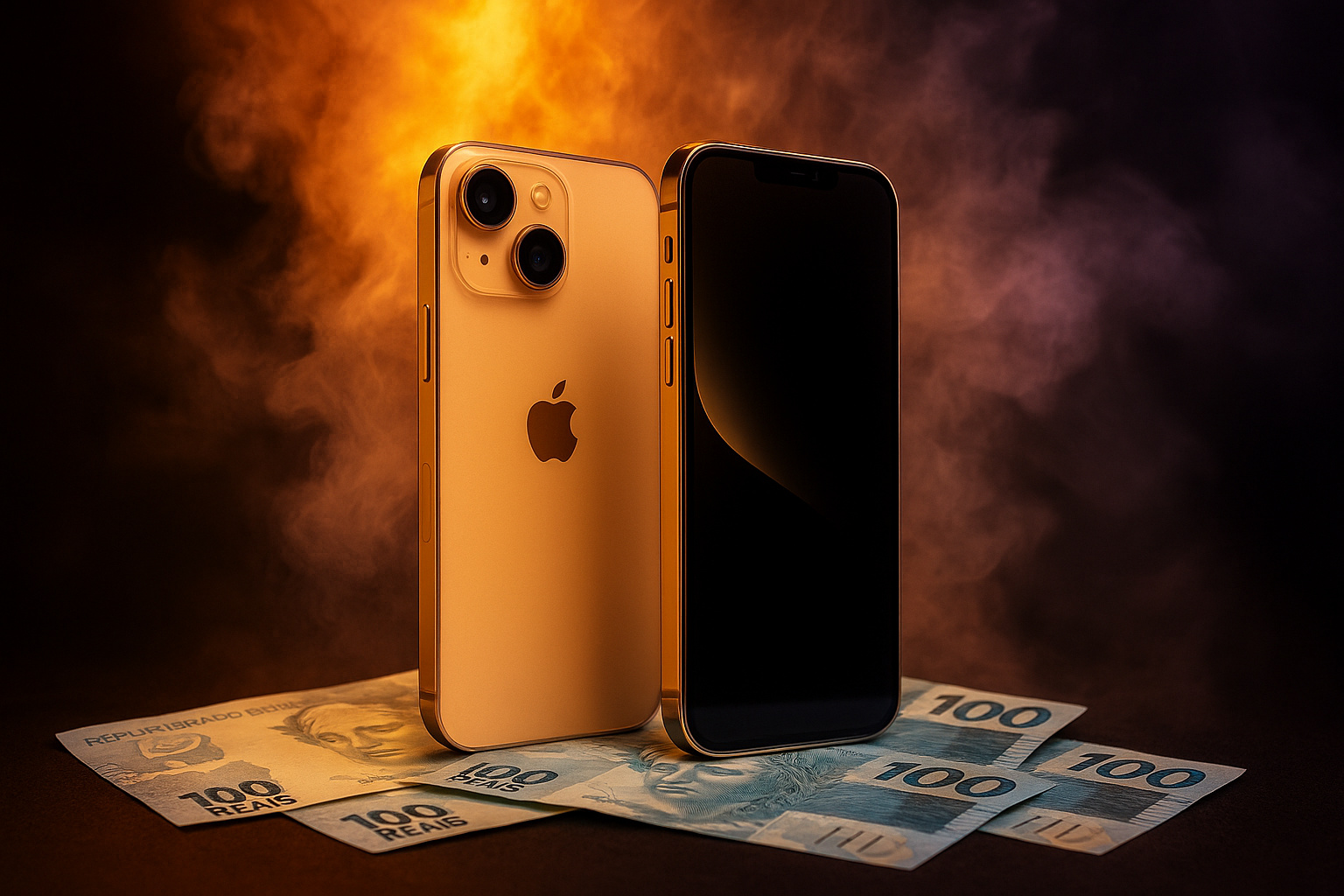
Apple Line Arrives In The Country With Prohibitive Prices And Highlights Global Price Inequality
The Brazilian iPhone 17 was ranked as the second most expensive in the world in September 2025, only behind the version sold in Turkey.
National Pre-Sale Starts In September 2025
Apple Brazil started the pre-sale of the iPhone 17 line on September 16, 2025, but the excitement quickly gave way to frustration. This is because prices are still considered outrageous in the national market, sparking discussions about technological accessibility in the country.
Price Disparity Between Countries
According to a survey by Statista in September 2025, the price of the iPhone 17 in Brazil reaches R$ 7,999, equivalent to US$ 1,494. Nonetheless, the price is surpassed by that in Turkey, where the same model costs US$ 1,887.
-
Brazilian Joins Homeownership Consortium, Faces Decade of Dual Payments Totaling $141,000, Surpassing Traditional Mortgage

-
Land Rover to Halt Production in July, Putting 371 Jobs at Risk, as Chinese Automaker Negotiates to Convert Factory to 100,000 Vehicles Annually by 2027

-
Mexican Pest Threatens U.S. Cattle Herds at Historic Lows, Potentially Boosting Brazilian Beef Exports as Burger Prices Soar

-
Brazilian Freight Bill Progresses in Congress with $5,000 Minimum Wage, 70% Advance Payment, and Fines Up to $1 Million, as Agriculture and Industry Warn of Rising Costs and Legal Uncertainty


In addition, countries like Norway, Hungary, Sweden, Denmark, Finland, and Portugal also register prices above US$ 1,000. According to Poder360, Brazilians pay 85% more than the US$ 799 charged in the United States for the same product.
Official Price Ranking In Brazil
Based on the exchange rate of R$ 5.35 per dollar, released in September 2025, these are the prices in the national market:
- iPhone 17 – R$ 7,999 (~US$ 1,494)
- iPhone Air – R$ 10,499 (~US$ 1,964)
- iPhone 17 Pro – R$ 11,499 (~US$ 2,150)
- iPhone 17 Pro Max – R$ 12,499 (~US$ 2,337)
For all models, Brazil only loses to Turkey in the global ranking of highest prices.
Significant Difference Compared To The USA
In the United States, Apple itself released prices in September 2025 that are much lower than those practiced in Brazil:
- iPhone 17 – US$ 799 (~R$ 4,271)
- iPhone Air – US$ 999 (~R$ 5,342)
- iPhone 17 Pro – US$ 1,099 (~R$ 5,875)
- iPhone 17 Pro Max – US$ 1,199 (~R$ 6,410)
The contrast shows that the Brazilian consumer pays more than double the price charged in the United States, which reinforces the impact of the tax burden and the exchange rate.
Reasons Behind High Prices In Brazil
The high prices are directly linked to high taxes on imported electronics and the so-called “Apple dollar”, which often exceeds R$ 10.
These factors make the iPhone a luxury item in Brazil, available only to a limited segment of the population.
Consumer Strategies In Response To High Prices
Despite the difficulties, many Brazilians turn to extensive installment plans, retail promotions, and even the traditional payment book to make the purchase feasible.
This reality shows that, although the prices are considered abusive, the desire for the iPhone remains strong, keeping Brazil as one of Apple’s most loyal markets.
Brazil In The Global Technology Landscape
Brazil’s position in the Apple price ranking exposes inequality in access to technology. While in developed countries the prices are more accessible, in Brazil the smartphone ends up symbolizing status and exclusivity.
This scenario not only limits consumption but also reinforces the impact of taxes and the company’s pricing policy in the country.
Just like in the case of Pakistani mining that promises to transform economies, the iPhone market in Brazil reflects an internal and global economic divide. What should be an accessible launch transforms into a symbol of inequality.
In light of this, the question remains: Should the Brazilian consumer continue to accept such high prices or seek alternatives to circumvent this prohibitive scenario?





-

-

2 people reacted to this.