Portuguese
  Spanish


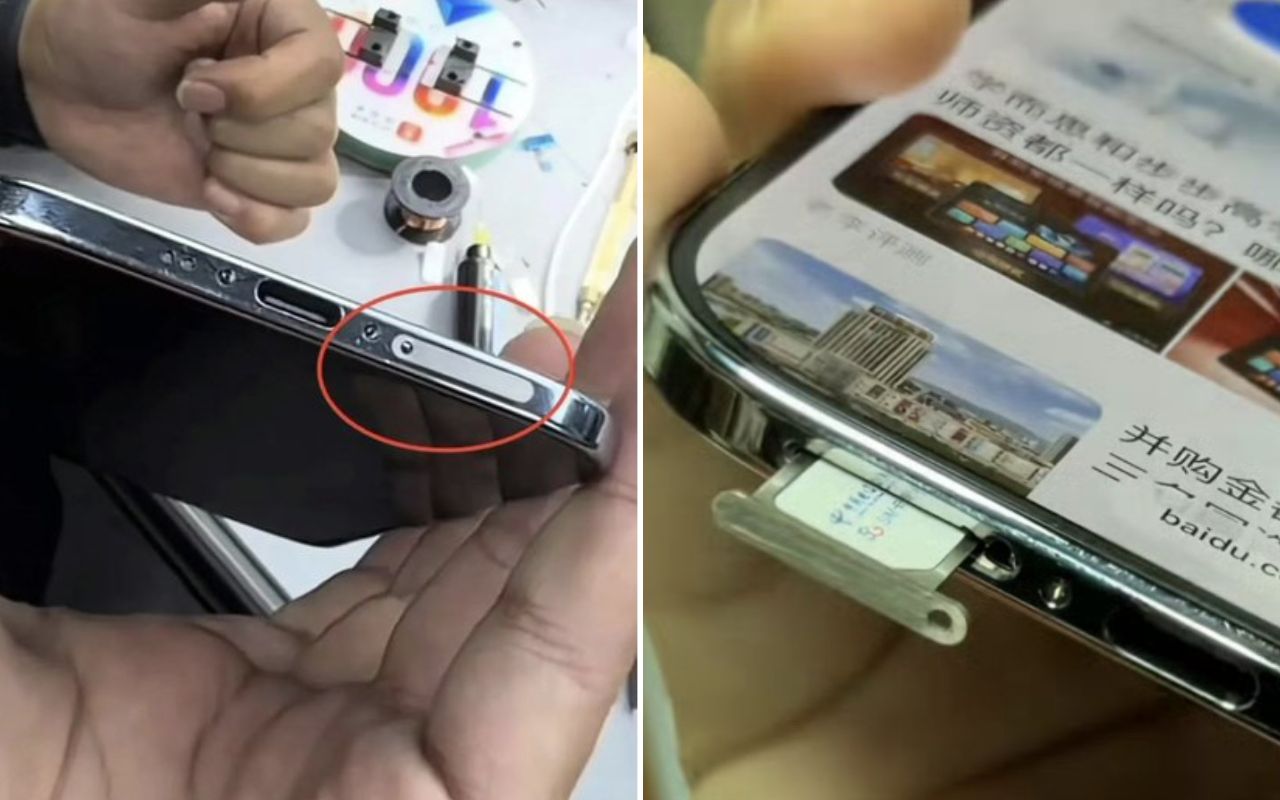


Chinese Technicians Modify iPhone Air to Accept Physical SIM, Revealing Limits of eSIM in Ultra-Thin Devices.
Apple’s attempt for increasingly thinner devices led the iPhone Air to give up a common item for decades: the physical SIM card. Nevertheless, a technical intervention performed in Shenzhen, China, showed that this decision can be circumvented.
Advanced repair specialists managed to insert a carrier chip tray into the model, going against the device’s original design.
The procedure was shared on social media and quickly drew attention for demonstrating that the limitation of the iPhone Air is not in the system, but in the internal architecture chosen by the manufacturer.
-
Brazilian Polilaminin Reaches 100 Spinal Cord Injury Patients Through Compassionate Use, Shows Progress After 6 Months, Highlighting UFRJ’s Role in Experimental Regeneration Research

-
Electrolux Unveils New Stove with Integrated Airfryer, PerfectCook360, VaporBake, Grill, Glass Top, and Oil-Free Large Portion Cooking

-
Brazil Approves Non-Hormonal Drug to Alleviate Menopausal Hot Flashes, Potentially Transforming Treatment
-
Giant Phantom Halo Appears Around Remote Pacific Islands, NASA Reveals It’s Created by Tiny Marine Organisms





System Recognizes the Chip Even Without Official Support
After the adaptation, the iPhone Air underwent practical tests. The result was considered positive: the iOS identified the physical card, allowing phone calls and connection to the mobile network without apparent instabilities.
This behavior is explained by the fact that Apple’s system still maintains compatibility with the traditional SIM, as several recent models from the brand continue to use this technology in specific markets.
To fit the slot into the extremely thin body of the smartphone, it was necessary to redesign part of the device’s interior.

The most affected component was the vibration mechanism, originally larger and incompatible with the new space.
In its place, a compact motor was installed, with limited haptic feedback response. Only after this replacement was it possible to accommodate the chip tray and make adjustments to the chassis structure.
iPhone Air: Ultra-Thin Design Explains Absence of Physical SIM
The iPhone Air, launched as the thinnest iPhone in history, prioritizes appearance and lightness.
To achieve this goal, Apple chose to eliminate components considered dispensable for part of the public.
In addition to the end of the SIM slot, the device also features more contained hardware, such as only one rear camera, reinforcing the proposal of a product focused on design rather than maximum power.
How the eSIM Adopted by Apple Works on iPhone Air?
The eSIM replaces the removable chip with an integrated module on the smartphone’s logic board.
It is activated digitally on the iPhone Air, usually with a code provided by the carrier, without the need for physical parts.
The technology allows storing multiple carrier profiles on the same device, although most models only accept two active numbers simultaneously.
Security Advantages Drive the eSIM
Among the benefits of eSIM is the difficult immediate deactivation in cases of theft, which helps in locating the device.
The absence of a removable chip in the iPhone Air also reduces the risk of misuse of the line in other devices.
Furthermore, the activation process involves layers of encryption, making cloning attempts extremely unusual.

Despite advancements, traditional SIM is still valued by users seeking quick line swaps, usage in areas with limited eSIM support, or greater physical control over the carrier.
This scenario helps explain why the Chinese modification generated such a stir, even being a complex procedure outside of official standards.
The intervention on the iPhone Air reveals a recurring dilemma in the industry: not every innovation adopted by manufacturers keeps pace with consumer adaptation.
With information from CanalTech.