Portuguese
  Spanish


A Brazilian student in the United States created an initiative for clean water after hearing reports about consumption insecurity in a São Paulo favela. The project raised funds, delivered filters to 50 families, involved Gerando Falcões and Acqualive, and now seeks to measure results before trying to grow in the country.
The search for clean water led Guilherme Rizzo, a Brazilian-American student from Greenwich High School in the United States, to transform a volunteer experience into concrete action in São Paulo. The initiative was born after conversations with Juan, a resident of a favela, and resulted in the distribution of filters to 50 families.
According to the campaign “Support Clean Water Access for Brazilian Favelas,” published on GoFundMe on August 12, 2024, the first phase of the project was planned to begin on August 15, in the Barra de São Miguel Favela. The story was also reported by Greenwich Time on February 18, 2025.
Conversation with resident exposed the daily fear of not having clean water
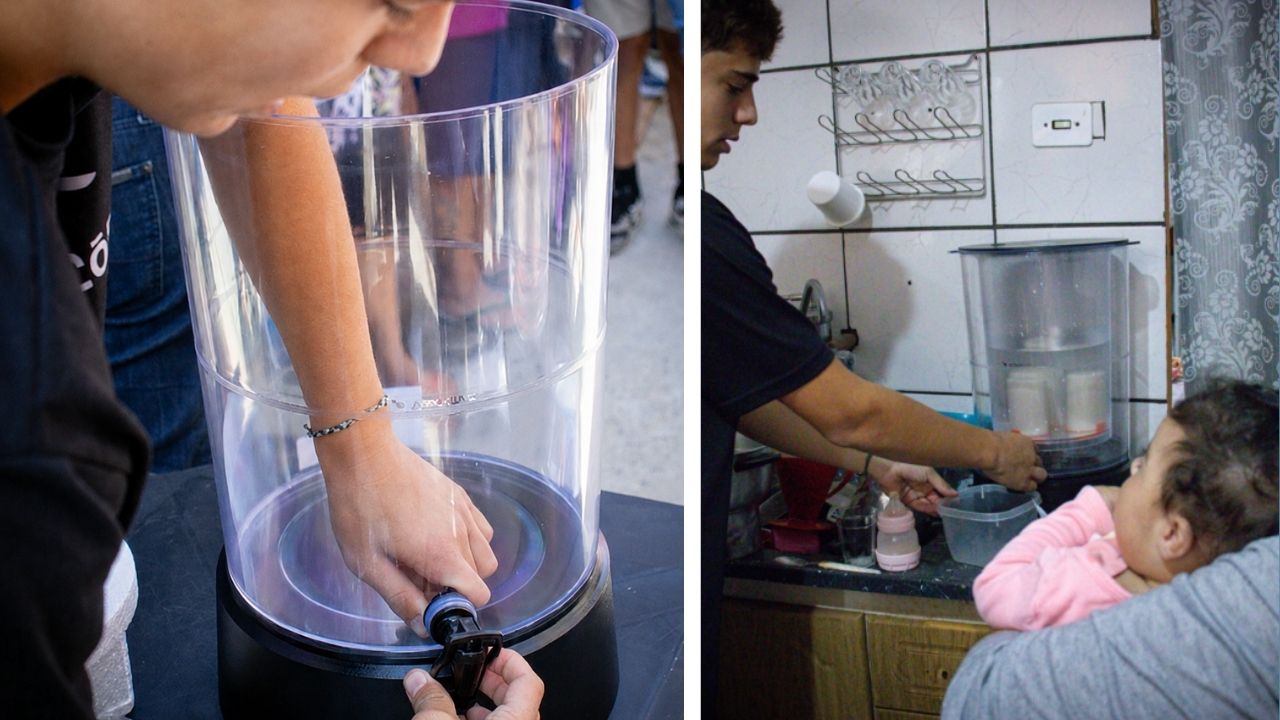
The initiative began during Guilherme’s involvement with Gerando Falcões, a Brazilian organization focused on combating poverty through education, innovation, and technology. Within the “Connecting Realities” project, he started talking to Juan, a young resident of a favela, and heard reports about the difficulty of trusting the water available at home.
-
Daughter of Farmers from Brazil Uses Social Media to Highlight Rural Life and Promote Agriculture

-
Free Willy’s Orca, Captured as a Calf, Became a Global Star in a Mexican Tank and Was Part of the Most Controversial Attempt to Return a Captive Whale to the Wild

-
15-year-old Palestinian girl who fled Gaza war learns Portuguese in Brazil and wins gold at São Paulo Math Olympiad, inspiring teachers and classmates on social media.
-
“Vampire Deer” Rediscovered in Remote Afghan Forest After Nearly 60 Years, Highlighting Urgent Conservation Efforts


The turning point was realizing that the problem was neither distant nor abstract. The lack of clean water appeared in the daily lives of families as a practical concern: drinking, cooking, washing food, and avoiding diseases. From these conversations, Guilherme began to seek a solution that did not rely solely on discourse but on physical delivery and follow-up.
Filters were negotiated at cost price to reach the first families
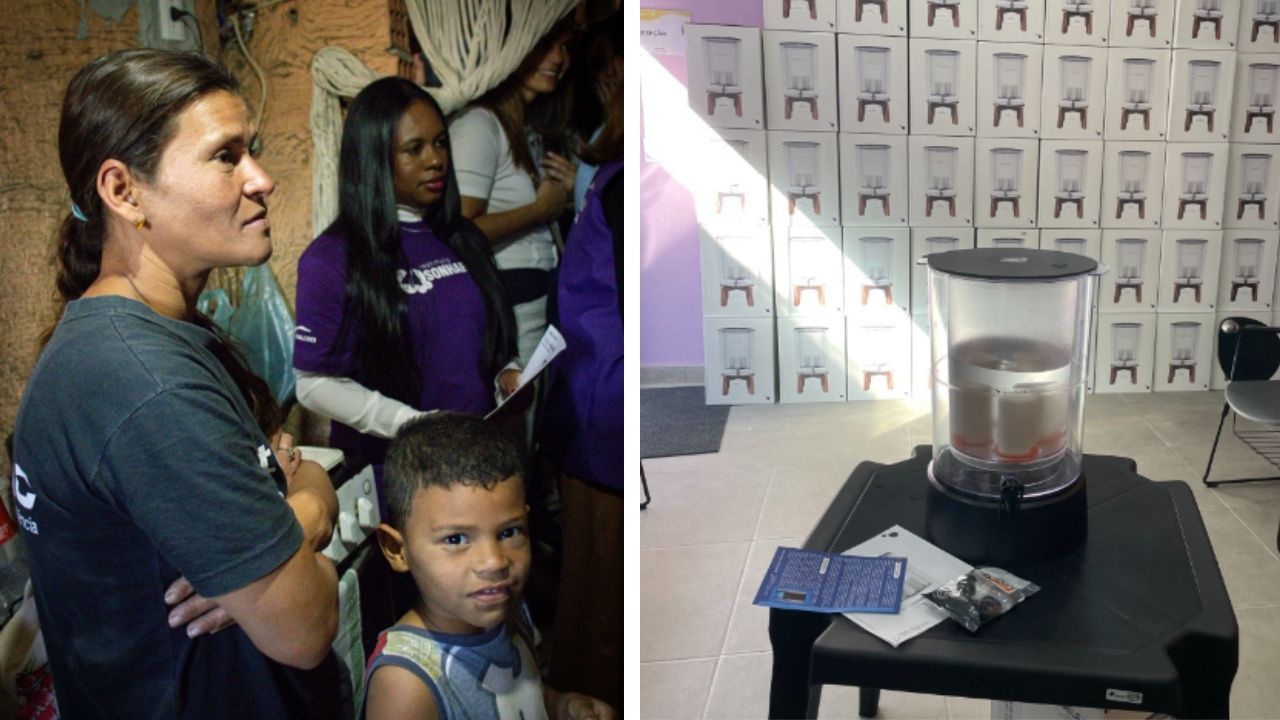
After researching alternatives, Guilherme reached out to Acqualive, a purifier company founded by a Brazilian-American. The proposal was to provide water filters for families in vulnerable situations, with simple technology, more accessible maintenance, and no dependency on electricity, as described in the campaign itself.
The company agreed to supply the first equipment at cost price. With this, the student started fundraising through GoFundMe and claimed to have raised US$ 6,000 to enable the distribution of the filters. The initial goal was not to solve the entire Brazilian water crisis, but to test a small, measurable, and monitored intervention.
Project reached 50 families and entered monitoring phase
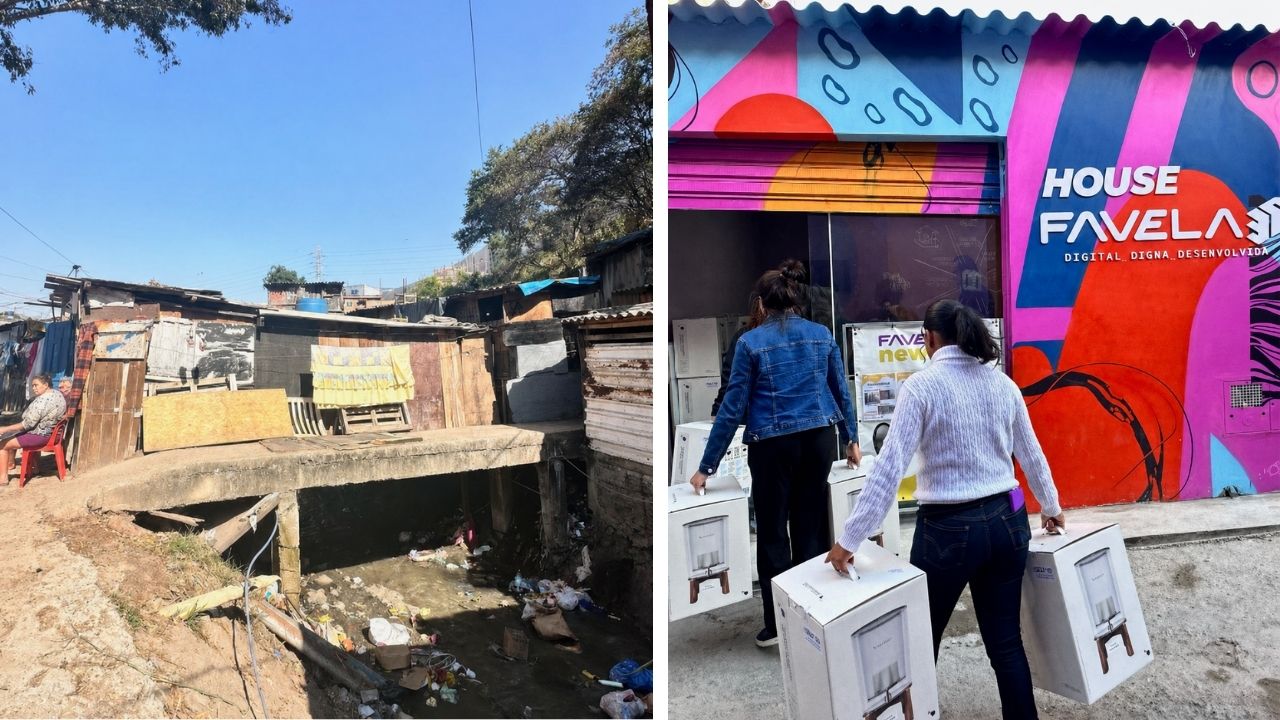
The first stage was directed at 50 families in the São Miguel Favela, in São Paulo. According to the Greenwich Time report, the filters were distributed in the summer prior to the publication of the article, and the estimated impact could reach more than 200 people, considering the residents served in the benefited homes.
The project then began to be monitored for a period of one year. Since Guilherme lives in the United States, the monitoring takes place with the support of community leaders in Brazil, responsible for observing the use of the filters, reporting problems, and checking if the equipment continues to function in the homes.
Action was born from volunteering but gained a study format
Before delivering the filters, Guilherme had already worked with translations and support for Gerando Falcões materials. Later, he brought the social experience closer to an academic research on water quality, including studies on different countries and ways of managing the resource.
This detail changes the reading of the story: it’s not just about a one-time donation. The student tried to connect volunteering, fundraising, company partnership, logistics, and subsequent analysis. The proposal to monitor the result for a year indicates a concern to understand if the solution really sustains itself beyond the moment of delivery.
National ambition to bring clean water depends on the results of the first stage
The expansion to other communities appears as a future goal, not as a promise already fulfilled. Guilherme states that he intends to expand the project in Brazil if the monitoring of the first families indicates a positive result and feasibility to replicate the model on a larger scale.
This care is important because the distribution of filters does not replace public policies on sanitation, supply, and infrastructure. Still, initiatives of this kind can reveal complementary paths, especially when they unite the local community, simple technology, private financing, and impact monitoring.
What this story puts up for debate
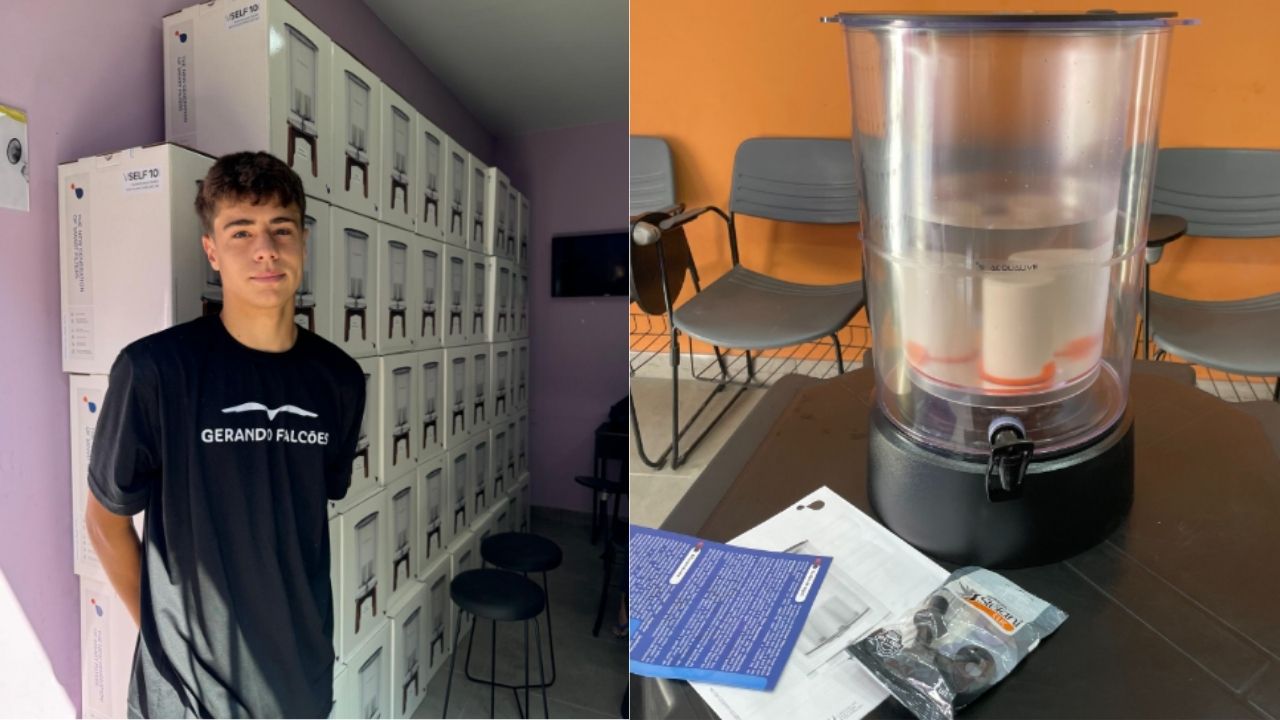
The story of Guilherme Rizzo shows how an individual conversation can reveal a structural problem. The lack of clean water in vulnerable areas does not just appear as a report topic: it enters homes, affects routines, and exposes families to risks that often remain invisible to those living far from these realities.
Do you believe that projects with filters, monitoring, and private partnerships can help communities while larger works do not arrive, or does this type of solution risk alleviating symptoms without addressing the root of the problem? Leave your opinion in the comments.