Portuguese
  Spanish


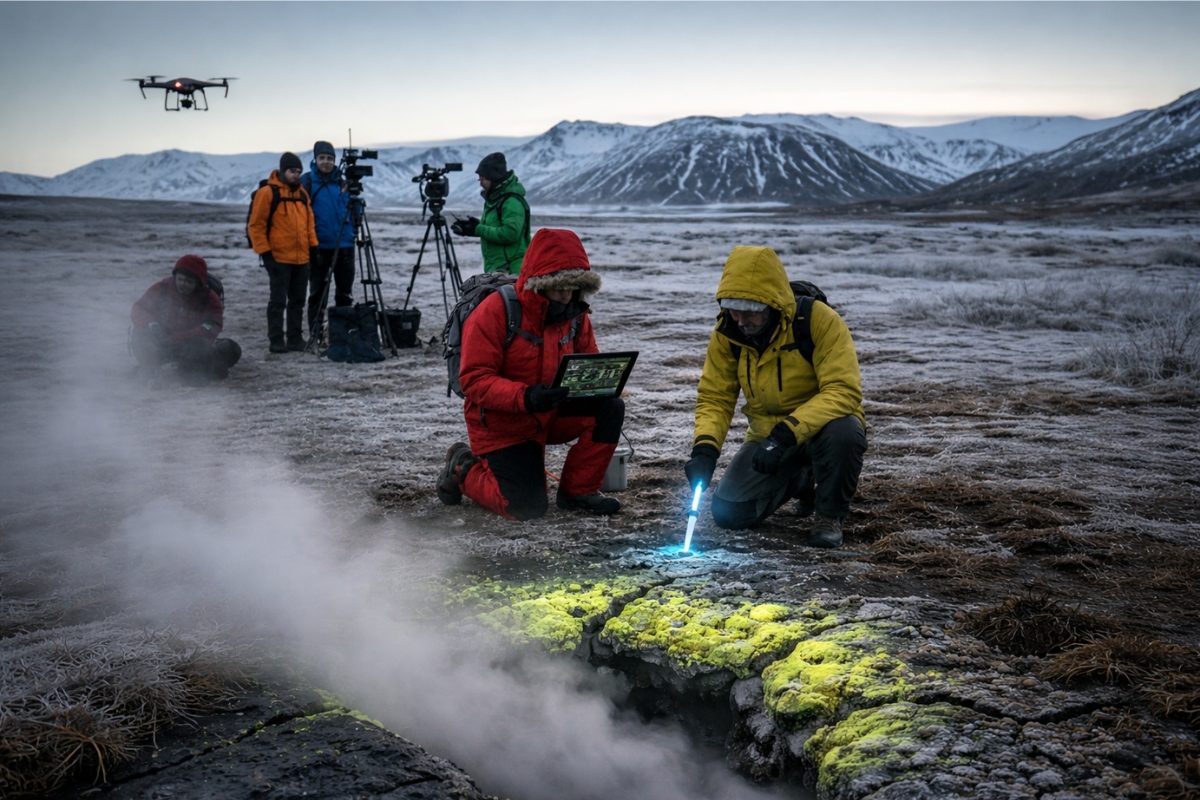


A Thermal Shock Beneath the Surface Reveals an Overlooked Mechanism: Microbes Stop “Recycling” Nutrients for Plants, the Soil Becomes Poorer, and Climate Models May Be Underestimating the Impact
A study in Iceland reveals that soil warming alters the nutrient cycle, causing microorganisms to retain nitrogen and hinder plant growth, aggravating global warming.
In 2008, the region of Hveragerdi in Iceland became the stage for an involuntary geological experiment. A series of earthquakes altered groundwater flows, heating the soil by up to 40°C above normal. This phenomenon created a natural laboratory that allowed scientists to observe, in real time, the drastic changes in the nutrient cycle essential for plant life in subarctic regions.
What began as a geological curiosity revealed a troubling facet of global warming: the transformation of microbial behavior beneath our feet.
-
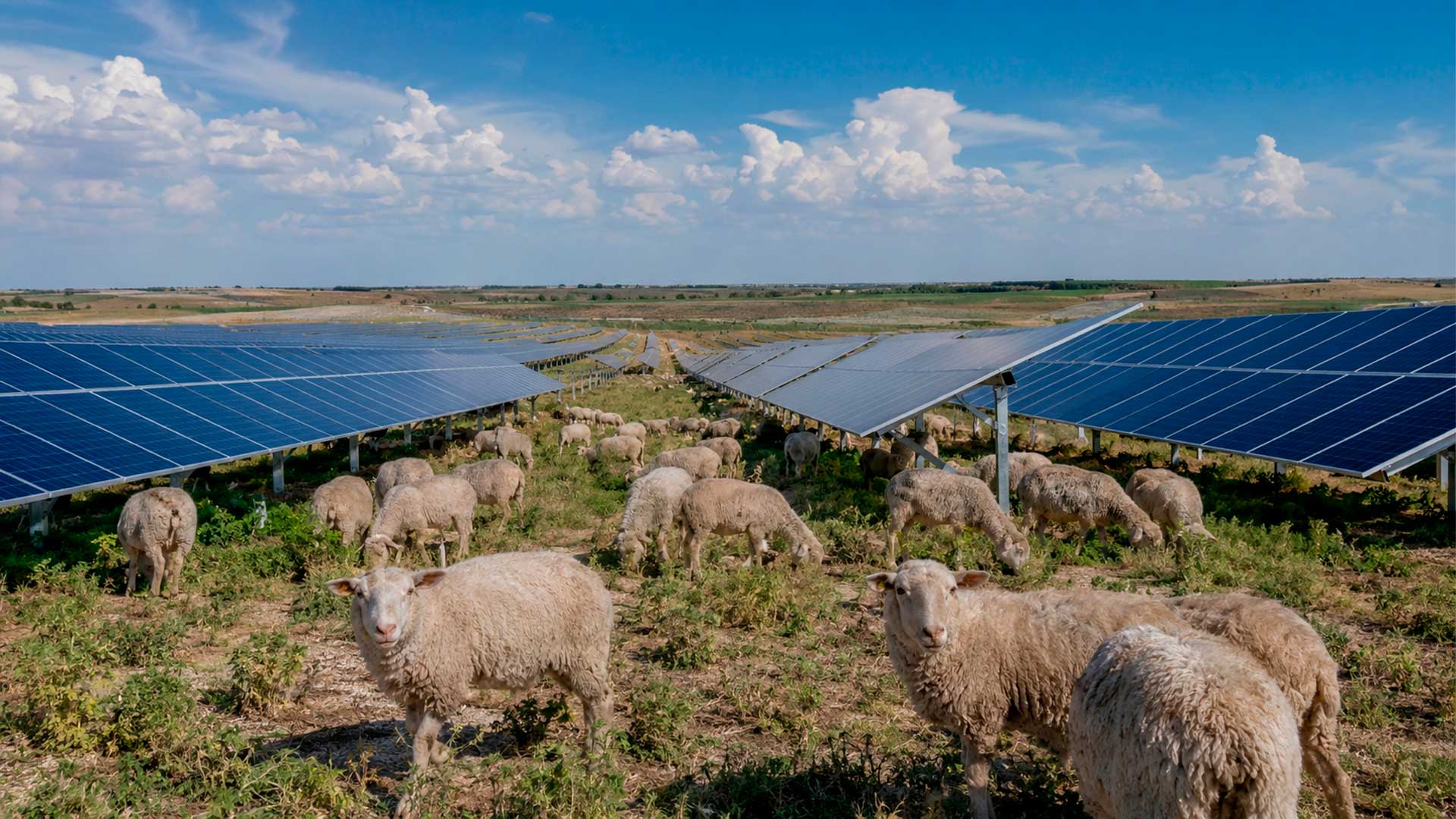
3,000 Sheep Maintain 900 MW Solar Farm Transforming Texas Fields into Energy for Data Centers

-
Distant Galaxy Shaped Like a Giant Jellyfish Sheds Gas, Forming New Stars as It Moves Through Hot Cosmic Gas

-
Nearly 40% of Treated Water in Brazil is Lost Before Reaching Homes; Companies Use Satellites, AI, Helium, and Innovative Tech to Improve Access in Remote Areas
-
Steel Sphere Cylinder Achieves 14% Damping in Tests, Functions Without Sensors or Electricity, and Can Reduce Vibrations in Skyscrapers, Bridges, and Sensitive Equipment with US Patent Registered



Microbial Action Helps Understand How Soil Warming Threatens the Cycle of Life
According to studies published in the journal Global Change Biology, the increase in soil temperature is forcing microorganisms to change their survival strategy. In healthy ecosystems, the microbiota acts as a recycling plant, decomposing organic matter and releasing ammonium and nitrates. However, the heat is making these organisms “selfish.” Instead of releasing nitrogen into the soil, which feeds plants, microbes are retaining the element for their own internal recirculation.
This profound alteration in the nutrient cycle directly impacts plant productivity. Without available nitrogen, plants cannot perform photosynthesis vigorously, resulting in thinner and weakened vegetation. It is a direct competition where, ironically, decomposers are winning over producers.

Impacts on Carbon Sequestration
The most severe consequence of this “microbial greed” is the impact on carbon sequestration. Soils at high latitudes, such as those in Iceland, Alaska, and Siberia, are vast reservoirs of carbon accumulated over millennia. When plants stop growing due to the failure in the nutrient cycle, they cease to absorb $CO_2$ from the atmosphere. Meanwhile, the microbial activity accelerated by heat can release greenhouse gases stored in the soil.
External research indicates that this “mismatch” between microbes and plants is not exclusive to Iceland. In various parts of the Arctic, permafrost thaw is exposing ancient organic matter, but if the microbiota decides to retain nitrogen instead of sharing it, the expected “greening of the Arctic” (which could help absorb carbon) may never happen on the necessary scale.
The Future of Climate Models
The study warns that current climate models may be underestimating the speed of soil degradation. Iceland serves as a “canary in the coal mine,” showing that the fragility of terrestrial ecosystems is greater than previously thought. If the base of the food pyramid, microorganisms, stops cooperating with flora, we will face poorer soils and accelerated global warming. Understanding every detail of the nutrient cycle thus becomes a race against time to predict the future habitability of our planet.