Portuguese
  Spanish


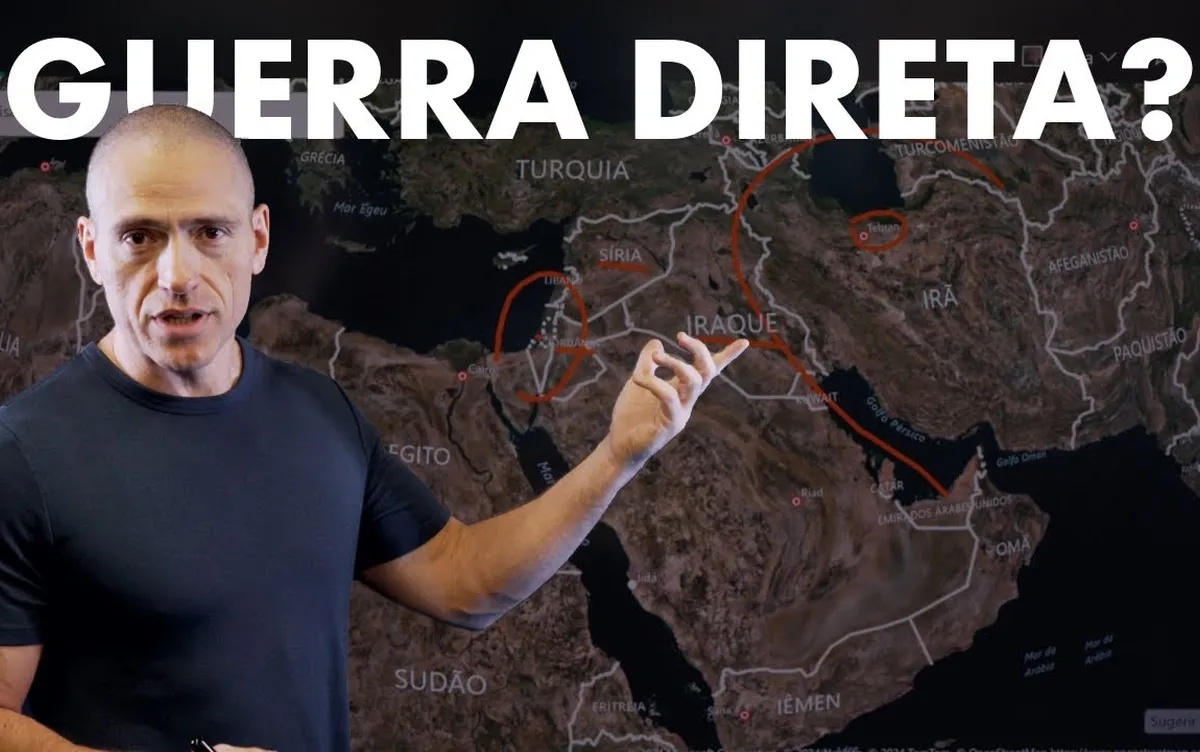


Israel and Iran: Direct War. Why Hasn’t It Happened Yet? Low-Intensity Conflicts, Proxy Wars, and Real Obstacles. Nuclear Deterrence, Regional Alliances, Hezbollah, and the U.S. Regenerative Nutrition Mahta.
It is common to have speculations about a possible direct and high-intensity confrontation between Israel and Iran. However, it is important to understand that these conflicts are part of a broader and more complex dynamic, which involves an indirect and covert war. Israel has demonstrated its ability to respond to threats strategically, using alliances and secret operations to protect its interests.
This dynamic of indirect conflict is influenced by the geopolitics of the region, where the State of Israel seeks to maintain its security in a hostile environment. The country has been the target of constant threats, which requires a posture of vigilance and readiness.
In this scenario, the Israeli nation remains vigilant, prepared to respond to any threat that arises, whether direct or indirect, safeguarding its sovereignty and security. Regional stability is crucial for maintaining peace, and Israel plays a fundamental role in this context.
-
European Parliament Approves Digital Euro, Aiming to Challenge Visa and Mastercard’s Dominance and Transform Payments Across Europe by 2029

-
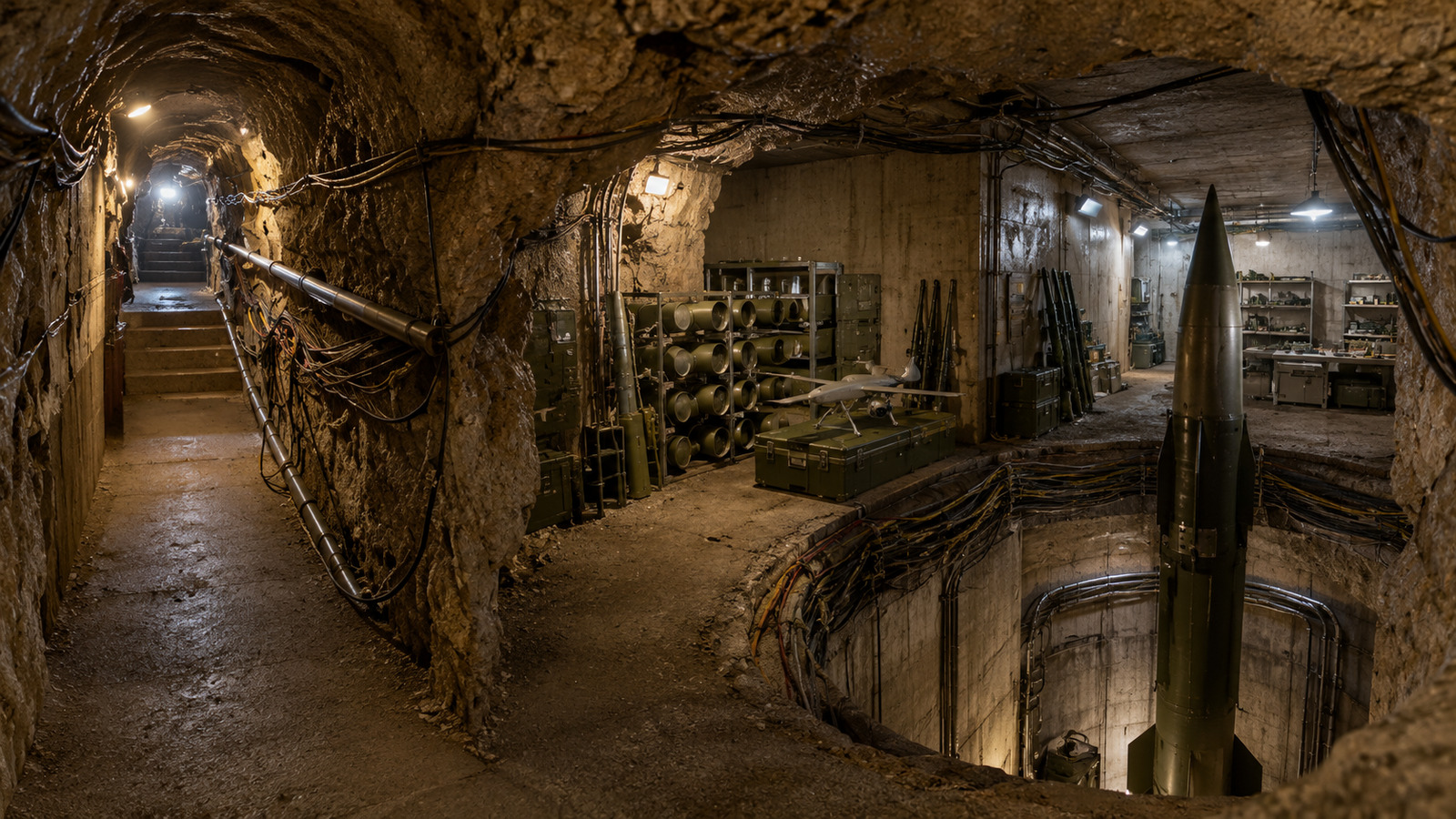
Israel finds Hezbollah militarized tunnel over 200 meters long under village, with 4 missile launch shafts, 12 chambers, anti-tank missiles, drones, and weapons depots at a depth of 25 meters.

-
Ukraine launches largest drone attack on Moscow since 2022, Russia claims to have intercepted nearly 200 aircraft near the capital, Kapotnya refinery targeted again, and offensive reignites alert about war reaching the Russian energy heart just a few kilometers from the Kremlin.

-
Truck drivers, freight, and fines from 2022 take center stage in politics: Chamber approves MP with amnesty, mandatory tracking by CIOT, million-dollar penalties, and new minimum wage for those who spend more than 24 hours on the road.



The Ongoing Conflict Between Israel and Iran
Despite recent direct attacks from Iran on Israel and Israel’s retaliations against Iran, the crucial point is that the war is already underway.
The Middle East is experiencing a regional war of low intensity, and the question is whether this war will escalate into a high-intensity, direct war between Israel and Iran.
The answer is simpler than it seems. There are barriers, real obstacles, strategic and resource limitations that prevent the two from engaging in a total direct war on a large scale.
The Indirect War Between Israel and Iran
The indirect war between Israel and Iran is an older conflict, with both sides using proxies and allies to attack each other.
However, with the ceasefire between Israel and Hezbollah, the possibility of an attack or a large war involving Iran and Israel may have diminished even further.
But it is important to remember that the Lebanese accepted the ceasefire precisely so they could direct their resources and efforts against Iran and not waste time with Iranian proxies or allies.
Distance as an Obstacle to War
Distance is a real obstacle that prevents the war from escalating into a large-scale conflict. Israel is very far from Iran, with other countries separating them.
Jordan, Iraq, Syria, Saudi Arabia, and Turkey are among the countries that separate Israel from Iran. The distance of 1,200 km from Israel to Iran and 1,600 km from Jerusalem to Tehran is a significant barrier.
Jordan and the Conflict Between Israel and Iran
Jordan is an example of a country that is closer to Israel but does not want to publicly side with Israel.
In April 2024, Jordan helped Israel shoot down Iranian drones, but King Abdullah stated that this was done to protect Jordan’s airspace. Jordan is a country with a large Palestinian population that despises the State of Israel, so the king cannot publicly align with Israel.
Source: ©️ Professor HOC