






 Portuguese
  Spanish


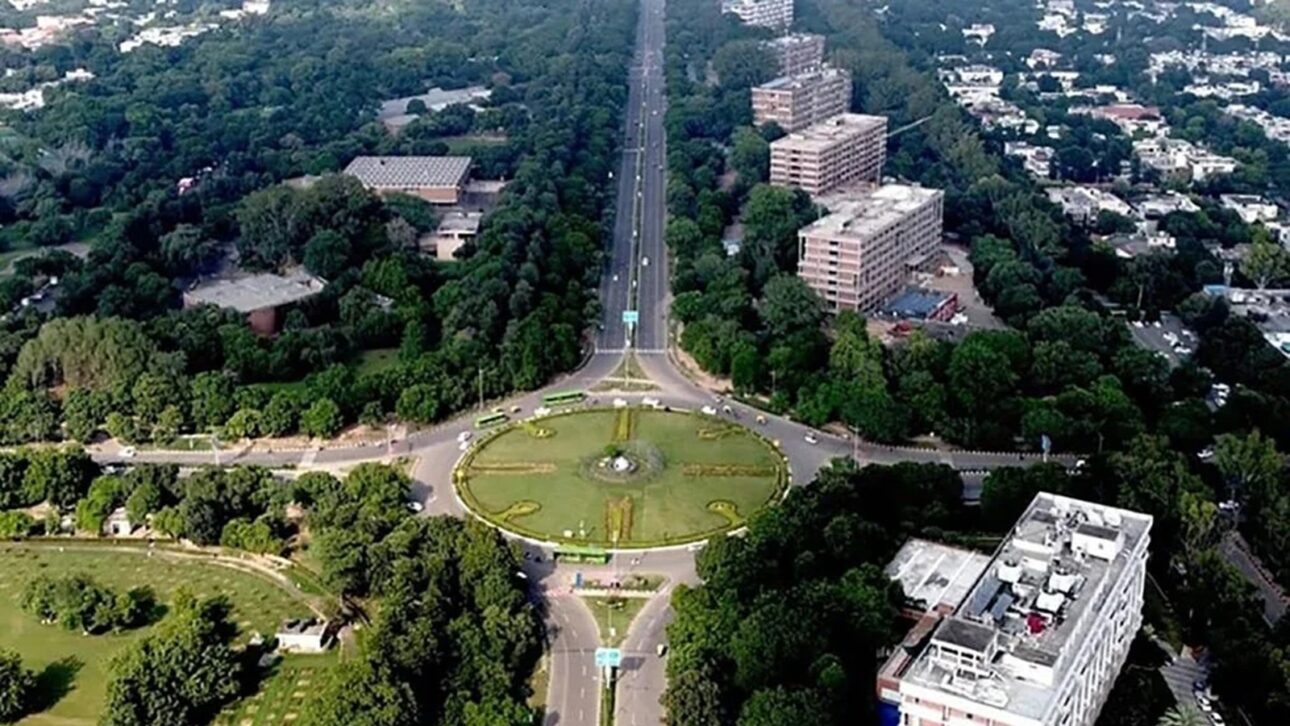
Russell Henderson’s reaction to Chandigarh brought to social media a less common image of India, marked by urban planning, cleanliness, bike paths, wide sidewalks, and a sense of security in a city designed by Le Corbusier and organized into sectors.
The comment from a British architect about Chandigarh rekindled international curiosity about a planned, clean, and safe India. Russell Henderson, now based in Tanzania, posted his first impressions of the city on Instagram, highlighting organization, wide sidewalks, bike paths, and the absence of litter.
Architect sees in Chandigarh a portrait not often associated with India
During the walk recorded on video, Henderson questioned whether that setting really seemed like an Indian city. The reaction came in the face of wide streets, well-maintained sidewalks, and urban spaces that, for him, contrasted with images of chaos often associated with the country on social media.
The architect, who has worked in the UK, Thailand, and Australia, stated that Chandigarh showed a side of India rarely seen by foreigners online. The assessment drew attention because it came from a direct observation, made while he was moving around the city with a camera during the day and at night.
-
Brazilian Entrepreneur Turns Door-to-Door Jewelry Sales into a Family Business Empire with Over 70 Stores

-
$75 Million Bridge in Brazil Opens to Connect Cities, Create Jobs, and Cut Travel Time from 30 to 2 Minutes; Spanning 1.24 km, It’s Among the Country’s Largest and Ends Decades of Ferry Queues.

-
Brazilian Farmer Builds 8-Ton Tractor from Army Truck Engine, Plants Over 100 Hectares of Soybeans
-
11-Year-Old Entrepreneur Turns Fear of Bees into Honey Lemonade, Wins $60,000 on Shark Tank, Secures Whole Foods Deal, and Expands Brand Across U.S. Stores




In the video titled “First Impressions of Chandigarh,” Henderson praised the presence of bike lanes, pedestrian circulation, and the amount of available space. He also stated that he did not see litter on the streets and described the environment as clean and safe.
Urban planning helps explain the impression of order
Chandigarh was designed in the 1950s by Swiss-French architect Le Corbusier. The city became known for its modern infrastructure, wide boulevards, tree-lined avenues, and division into “sectors,” areas conceived as small urban units.
This organization appeared as a central point in Henderson’s remarks. Observing the traffic and roads, he said he believes Chandigarh will remain congestion-free for many years, due to the planning, road space, parking spaces, and wide streets.
The city is also the shared capital of Punjab and Haryana. Comments from residents attributed part of the urban maintenance to the central government budget and the presence of important government offices of the two states.
Social media reaction reinforces local pride
The post elicited positive reactions among Indian users. Some thanked the architect for showing a favorable image of India. Others expressed pride in Chandigarh and defended the city as one of the best living options in the country.
One comment highlighted that local zoning is heavily regulated and that the real estate market reflects this perception of quality of life. Another resident stated that the urban routine also matters: people walk, cycle, avoid littering in public places, and frequent parks.
Besides the organization, Chandigarh boasts well-known attractions such as Sukhna Lake, the Rose Garden, and the Rock Garden.
The period between October and March is pointed out as the most suitable for visiting these spaces, due to the mild climate favorable to outdoor activities.
The reaction, however, did not turn the assessment into an official ranking. The case gained traction by bringing together tourism, architecture, and daily life, showing how an experience recorded on video can broaden the debate on urban planning, public maintenance, and external perceptions of major Indian cities, without repeating simplified stereotypes about the country.


