Portuguese
  Spanish


Understand why the pangolin is a unique animal, how it lives, why it is among the most trafficked mammals in the world, and what conservation measures aim to ensure the survival of the species.
The pangolin, the only mammal on the planet covered with keratin scales, faces an increasing threat caused by international wildlife trafficking. Currently, the preservation of the species depends on reducing illegal trade, protecting natural habitats, and continuing conservation actions.
Moreover, environmental organizations and international agreements have been reinforcing measures to curb the capture of these animals. Even so, thousands of specimens continue to be taken from the wild every year.
What makes the pangolin a unique mammal?
First of all, the pangolin stands out for being the only known mammal with a body covered by keratin scales. This characteristic sets it apart from all other existing species.
-
Son of a truck driver who lost his income after a work accident, he grew up in a low-income family, was the first to attend college, took over a small chain of coffee shops, and transformed Starbucks into a global giant with over 38,000 stores in more than 80 countries.

-
He started with a moving van in New York, entered the real estate market in Miami, and acquired land in neighborhoods that later became targets for art, tourism, commerce, and construction.

-
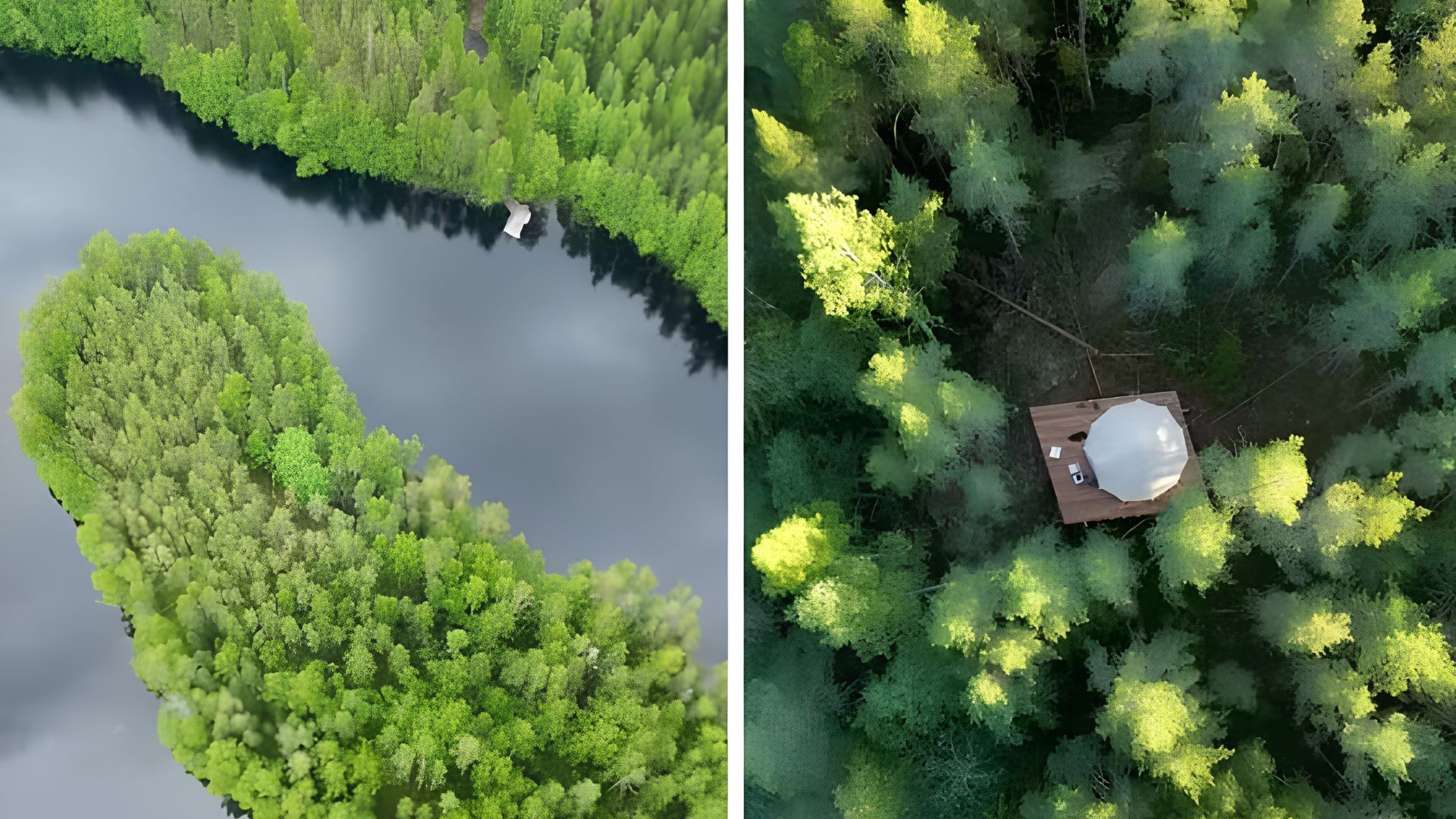
Californian gives up on buying a house, purchases a roughly 1-hectare island for $31,000 in Finland, learns construction from scratch, and begins building a refuge without running water or electricity.
-
A 3-year-old deaf student received the first white belt in Jiu-Jitsu and understood the achievement because the teacher learned Libras to communicate with him, in a video that surpassed 7 million views and moved social media by showing inclusion happening on the mat.




Additionally, pangolins are found mainly in Asia and Africa. When they sense any threat, the body rolls up into a ball shape. In this way, the scales act as a natural protection against predators.
How do pangolins live?
Although their appearance resembles some reptiles, the pangolin is a mammal
with predominantly nocturnal habits.
Furthermore, their diet consists mainly of ants and termites, captured with the help of a long specialized tongue.
Currently, eight species of pangolins are recognized. While some live in trees, others spend much of their time digging burrows in the ground.
Why is the pangolin at risk of extinction?
According to widely disseminated information by the International Union for Conservation of Nature (IUCN) and the Convention on International Trade in Endangered Species of Wild Fauna and Flora (CITES), the main risk faced by the pangolin is illegal wildlife trafficking.
Moreover, the scales are illegally used in products related to traditional medicine, although there is no scientific evidence of benefits.
Similarly, in some regions, meat is also considered a luxury item, a factor that increases pressure on wild populations.
How does international pangolin trafficking work?
Meanwhile, the clandestine trade moves large sums and involves international criminal networks.
In this process, the animals are taken from the wild and transported under extremely cruel conditions.
Among the main factors fueling this illegal market are:
- Illegal sale of scales to clandestine markets;
- Consumption of meat as a status symbol in certain cultures;
- Illegal trade of live animals destined for clandestine buyers and collectors;
- Destruction of natural habitat, caused by urban and agricultural expansion.
What measures aim to protect the species?
Since 2016, all species of pangolin have received maximum protection under CITES, which restricts the international trade of these endangered animals.
In addition, environmental organizations continuously work on combating trafficking, preserving natural habitats, and raising awareness to reduce the illegal demand for the species.
At the same time, scientific research continues to contribute to expanding knowledge about these mammals and strengthening conservation strategies.
The survival of the pangolin depends on conservation
Finally, although the pangolin is considered one of the most trafficked mammals on the planet, the species still receives less public attention than other endangered animals.
Thus, its preservation will depend, in the coming years, on the continuation of actions against illegal trade, the protection of natural environments, and the implementation of international conservation policies.
In this way, as highlighted by IUCN and CITES, the future of the pangolin is directly linked to the strengthening of protection measures and the reduction of demand that sustains the international wildlife trafficking.