Portuguese
  Spanish


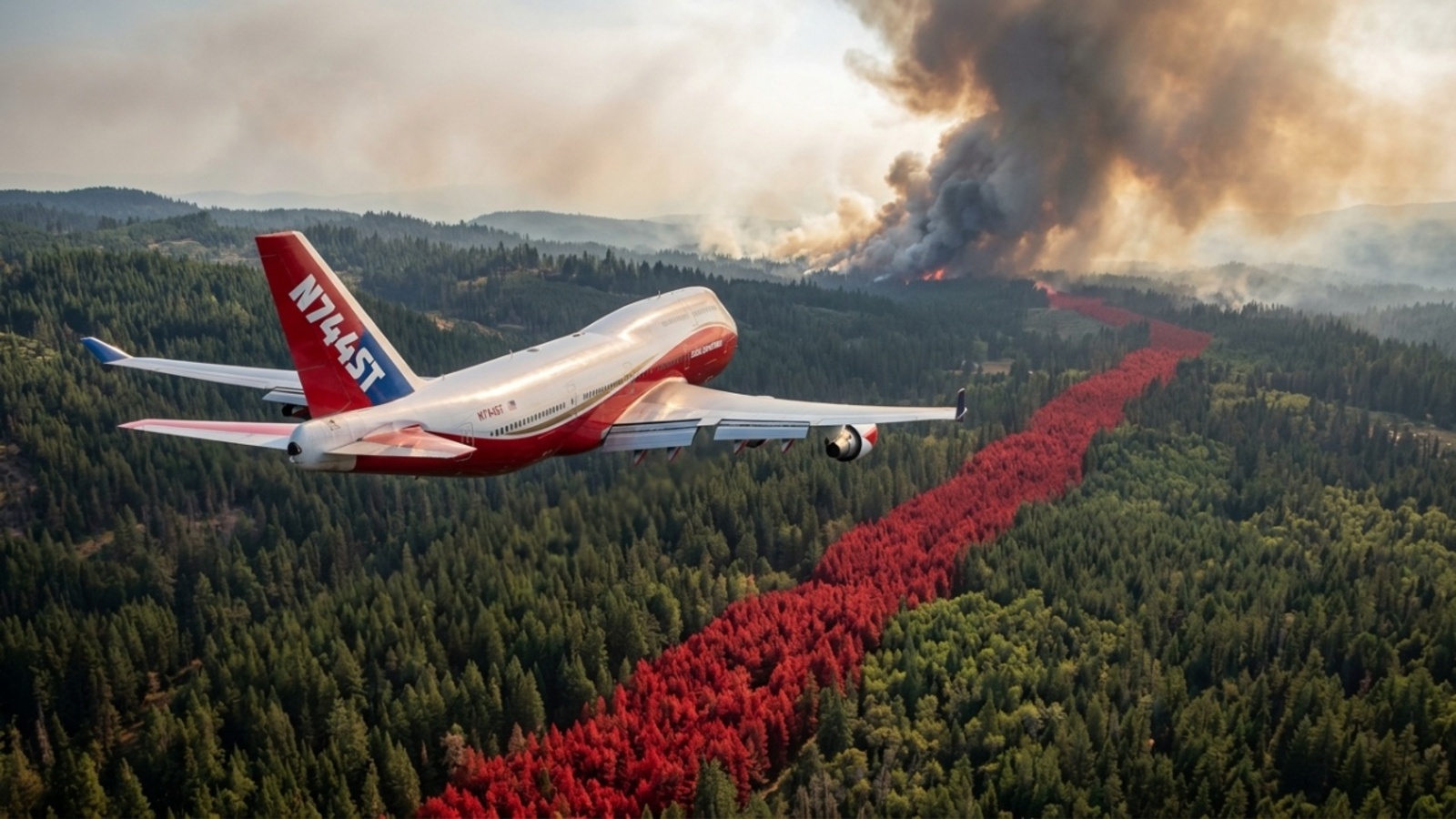

The Boeing 747 Supertanker marked firefighting aviation by dropping more than 74,000 liters of water or retardant, participating in international missions, and ending operations in 2021 after financial difficulties
The Boeing 747 Supertanker, a giant firefighting aircraft, managed to drop more than 74,000 liters of water or retardant on wildfires, but ceased operations in April 2021 due to financial difficulties faced by Global SuperTanker Services.


The end of the giant firefighting aircraft
The closure marked the end of the cycle for the 747 Supertanker firefighting aircraft, known by the registration N744ST.
The aircraft belonged to the American company Global SuperTanker Services and permanently left large-scale firefighting.
-
Swiss Glaciers Lose 10% of Volume in Two Years as Europe’s Largest “Water Tower” Dries Up; Scientists Use “Smart Stones” in the Alps to Gauge Remaining Water Supply for 170 Million People

-
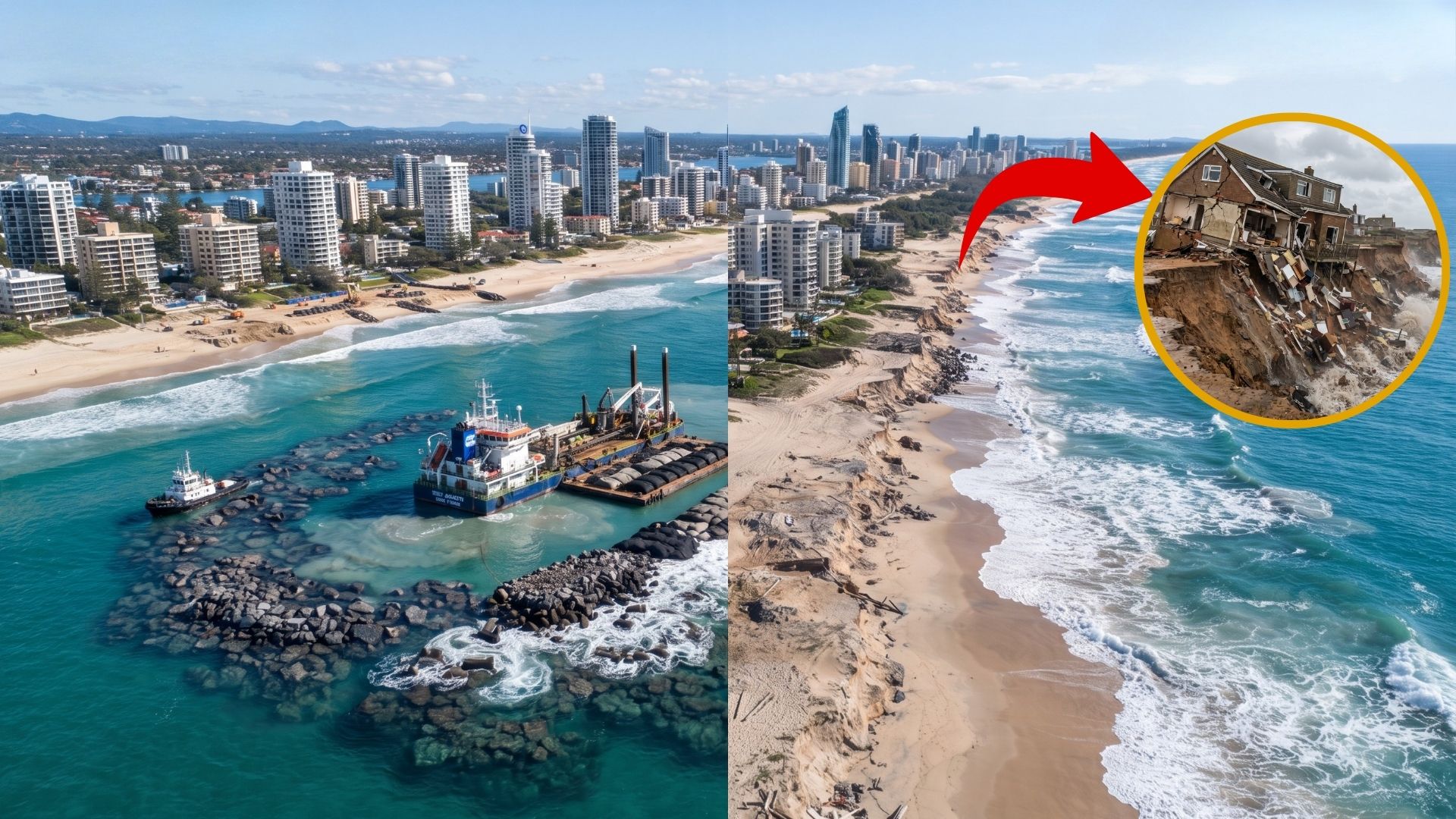
Australia plans massive artificial reef project to protect Gold Coast and save storm-battered beaches from erosion

-
Humanoid Robots Begin Replacing Workers in Repetitive Roles as Companies Accelerate Industrial Automation
-
Humanoid Robots Begin Replacing Factory Workers in China, Working 64-Hour Shifts and Driving Industrial Automation Forward



The investor group responsible for the project announced the closure of the company due to unsolvable financial difficulties in the aviation market. After deactivation, the structure was sold to National Airlines.
With the sale, the giant ceased to operate as a firefighting aircraft. The aircraft was eventually converted back into a standard commercial freighter, focused on cargo transportation, ending its most famous phase.
Boeing 747 Supertanker had unusual numbers
The strength of the Boeing 747 Supertanker was in its scale. The aircraft could carry up to 74,200 liters of water or chemical product, although it was authorized by the government to carry 72,700 liters on regular missions.
The aircraft also had intercontinental range. It could cover up to 6,400 kilometers without logistical refueling, allowing it to respond to disasters in different regions of the world with operational speed.
Even with a maximum operational weight exceeding 300 tons, the model reached over 900 km/h. The crew was small and highly trained, with only 4 people in the cockpit to execute the drops.
The transformation required deep changes to the original chassis. The structural modification work began in 2015 and converted a passenger aircraft into a machine prepared to act as a flying tank.

Announcement surprised aviation
The shutdown surprised engineers connected to the project. The equipment had recently received million-dollar updates aimed at increasing the safety of diving operations during firefighting missions.
Corporate President Dan Reese sent an internal memo to employees in the United States. In the text, he detailed the investors’ irrevocable decision to end the company’s operations.
The behind-the-scenes of the farewell gained attention on the international channel Jetline Marvel, with over 149 thousand subscribers. The video detailed the leaked closure email and compared the tank with other models on the market.
How the plane created chemical barriers
The plane’s strategy was not to dump liquid directly onto the flames. The main tactical function was to fly at low altitude to form extensive lines of protection with red chemical retardant.
This method helped create barriers before the fire advanced. The goal was to give ground teams time to build manual firebreaks on the land and reinforce containment.
The pressurized system installed in the hold allowed for a complete discharge in a few seconds. The operation required high precision, especially due to the low altitude and the size of the aircraft.
The pilot could also make multiple controlled passes over the same territory. This flexibility expanded the use of retardant in strategic areas and helped protect regions threatened by flames.

International missions and replacement
The million-dollar operational cost restricted the tank’s deployment to large-scale forest disasters. During its active period, the plane responded to urgent requests from governments on different continents.
In the United States, it operated in the summer fires that hit California. In South America, it participated in critical missions in Chile and flew over the Bolivian Amazon during the 2019 climate crisis.
In the Middle East, it provided specialized air support in Israel, where it helped combat aggressive flames in dry territory. These missions reinforced the plane’s image as an extreme tool for extreme scenarios.
With the retirement of the American aviation legend, the title of largest firefighting aircraft has passed to the Russian Ilyushin IL-76, with a maximum capacity of 42,000 liters.
In the modern civil logistics sector, smaller aircraft like the DC-10 Tanker and the C-130 Hercules continue to operate on the frontline of corporate forestry.
The shift from a colossal project to coordinated fleets of medium-sized planes indicates a different combat logic. The agility of dispatching multiple smaller and cheaper aircraft has started to outweigh gigantism.
With information from BMC News.