






 Portuguese
  Spanish


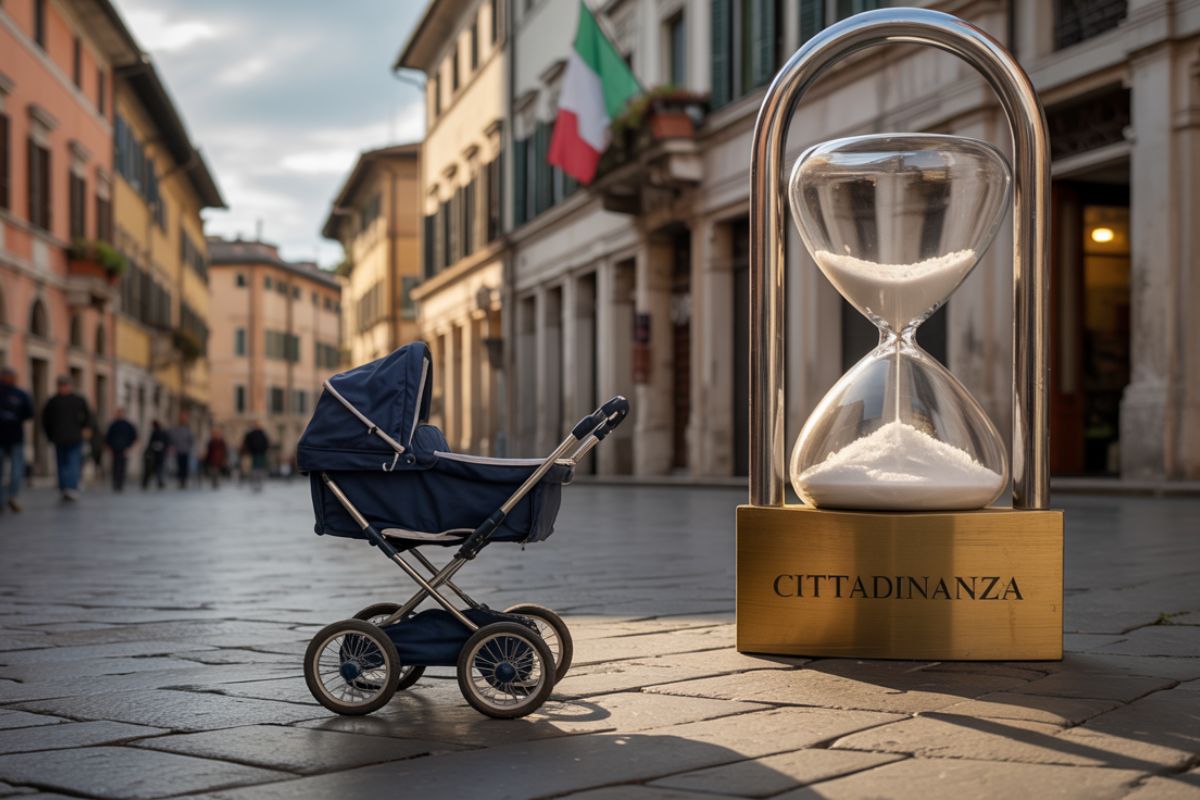

As The Country Faces A Record Decline In Birth Rate And The Emptying Of Cities, The Government Of Giorgia Meloni Approves Laws That Make Access To Citizenship More Difficult For Descendants, Deepening The Demographic Paradox.
Italy is facing one of its most silent and deep crises, a paradox that threatens the country’s future. With the population decreasing and the birth rate reaching historical lows, the nation is aging at an alarming rate. In this scenario, Italy Sees Births Plummeting While It Restricts Citizenship, a contradiction that has intensified under the right-wing government of Prime Minister Giorgia Meloni, who, while speaking about the need to reverse the “demographic winter”, approves measures that make it harder for new citizens to arrive.
The impact of this crisis is already visible in small towns like Fregona, in the north of the country, where the closure of schools due to lack of students has become a frightening reality. As reported by the BBC, mayors are struggling to keep their communities alive, offering incentives to attract new families. The situation in Fregona is a microcosm of the national challenge: a country that desperately needs more people but is closing itself off from one of its most obvious solutions.
A National Problem: The “Demographic Winter”
The Italian demographic crisis is not new, but its numbers have never been so severe. In the last ten years, the country’s population has decreased by nearly 1.9 million people. Births have been declining for 16 consecutive years and, according to data from Istat (the Italian statistics institute), the fertility rate has reached a negative record of 1.18 children per woman, well below the 2.1 needed to maintain a stable population.
-
Former Atacadão Employee Turns Online Cake-Baking Lessons into a Confectionery Brand with Factory, Store, Delivery, and Nearly $400,000 in Revenue

-
Brazilian Startup Sells Nearly 9 Million Surprise Bags of Near-Expiry Food, Prevents Thousands of Tons of Waste, Aiming for $42 Million Revenue by 2026
-
How to Prevent Brown Recluse Spider Bites: Common Hiding Spots and Free Tips to Reduce Risks

-
Natto: The Unusual Japanese Superfood Gaining Popularity on Social Media and Driving Record Exports




The government of Giorgia Meloni has tried to reverse the situation with pro-family policies, such as financial bonuses for newborns and tax incentives. However, for many families, these measures are insufficient. The main complaint is the lack of structural support, such as the shortage of places in public and affordable daycare centers, which forces many women to choose between career and motherhood. The result is that Italian women are having children later, which also contributes to the drop in fertility.
The Controversial Solution: Immigration And The Restriction On Descendants
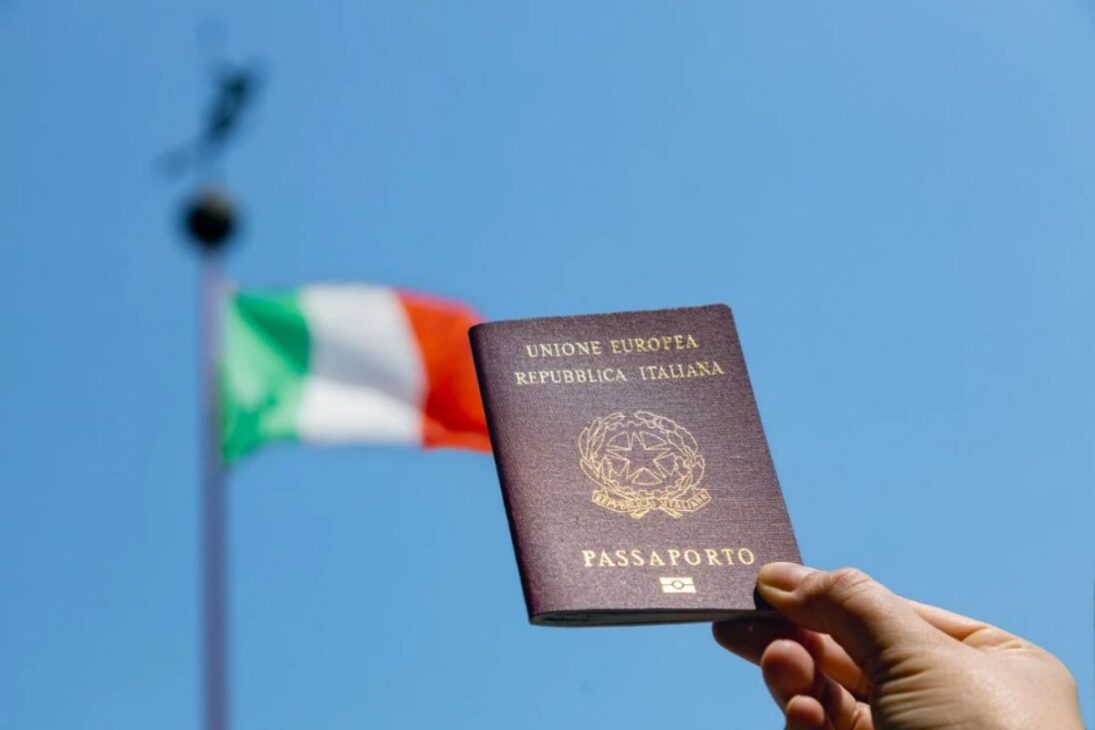
With birth rates in free fall, the other solution to the population problem would be immigration. However, the current government has a rigid stance on the issue. In a move that generated great controversy, the Italian parliament approved a law in May that restricts access to citizenship by descent (iure sanguinis).
The measure directly impacts millions of descendants of Italians, especially in Brazil and Argentina. The new legislation makes the process of recognizing citizenship much more difficult and time-consuming, closing a door that historically brought “new Italians” to the country. This decision directly contrasts with the needs of the economy. Business owners, such as Katia da Ros, CEO of the manufacturer Irinox, state that foreign labor is already essential for the industry and that, without it, growth will be unsustainable.
The Future At Stake
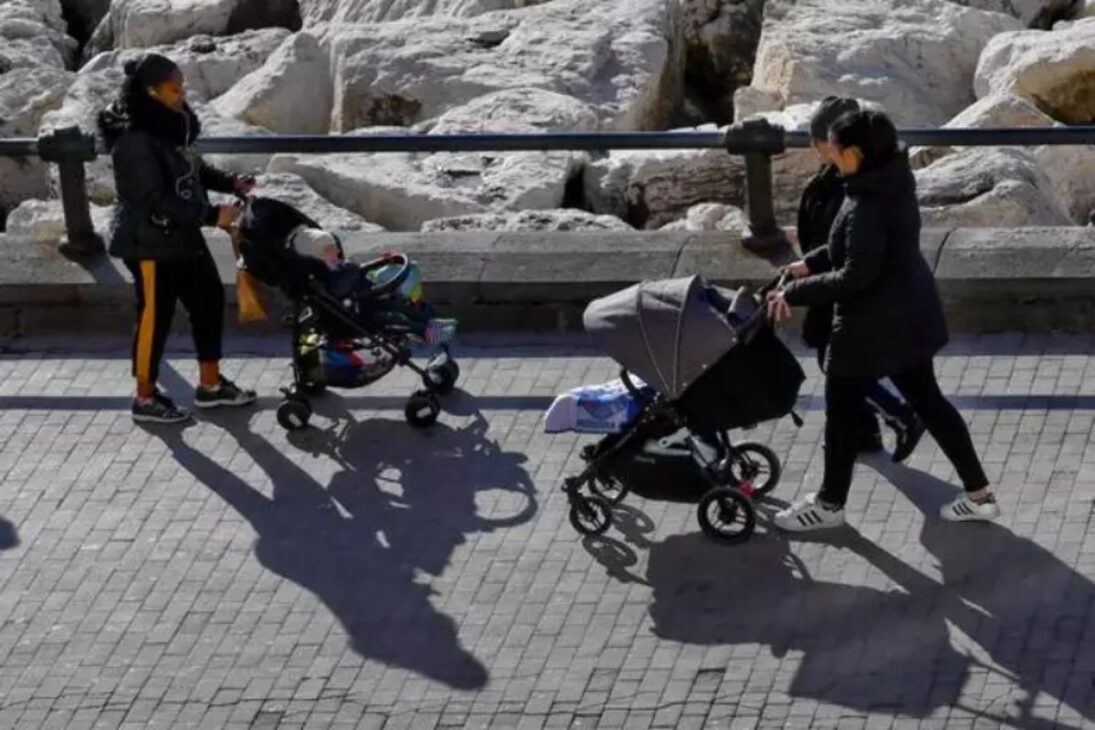
The combination of low birth rates and restrictions on citizenship creates a worrying scenario. UN estimates project that Italy’s population could decrease by another 5 million people in the next 25 years. With an increasingly aging population, the pressure on the pension and healthcare system rises, while the workforce decreases.
The situation exposes the complex crossroads in which the country finds itself. Italy Sees Births Plummeting While It Restricts Citizenship, a policy that, for many analysts, ignores the mathematical urgency of the demographic problem in favor of an ideological agenda. Without a significant change, whether through much stronger support for families or a more open immigration policy, the future of many Italian cities may be the same as what currently haunts Fregona: silence and abandonment.
What do you think about this situation? Do you believe that Italy should facilitate the entry of immigrants and descendants to reverse the crisis or focus solely on incentives for birth rates? Leave your opinion in the comments.







