Portuguese
  Spanish


Common kitchen equipment can hide silent risks when used without proper attention, especially due to generating intense heat and accumulating residues over time, requiring simple daily care to avoid electrical failures and possible domestic incidents.
The toaster requires special attention after use because it combines intense heat generation with progressive residue accumulation, creating an environment conducive to electrical failures when there is no basic maintenance and proper unplugging.
In this context, authorities and manufacturers advise that the equipment should be unplugged whenever it is not in operation, in addition to being frequently cleaned, preventing crumbs and dirt from remaining in contact with heated parts.
While the microwave often concentrates concerns in the kitchen, another everyday appliance deserves similar vigilance because it operates with direct and continuous heating, a condition that increases risks when there is wear, accumulated dirt, or prolonged unsupervised use.
-
Scientific Breakthrough: Bacteria Found in a Rio de Janeiro Lagoon Guide Mars Research After Scientists Identify Similarities to Extreme Environments, Expanding Understanding of Extraterrestrial Life Possibilities

-
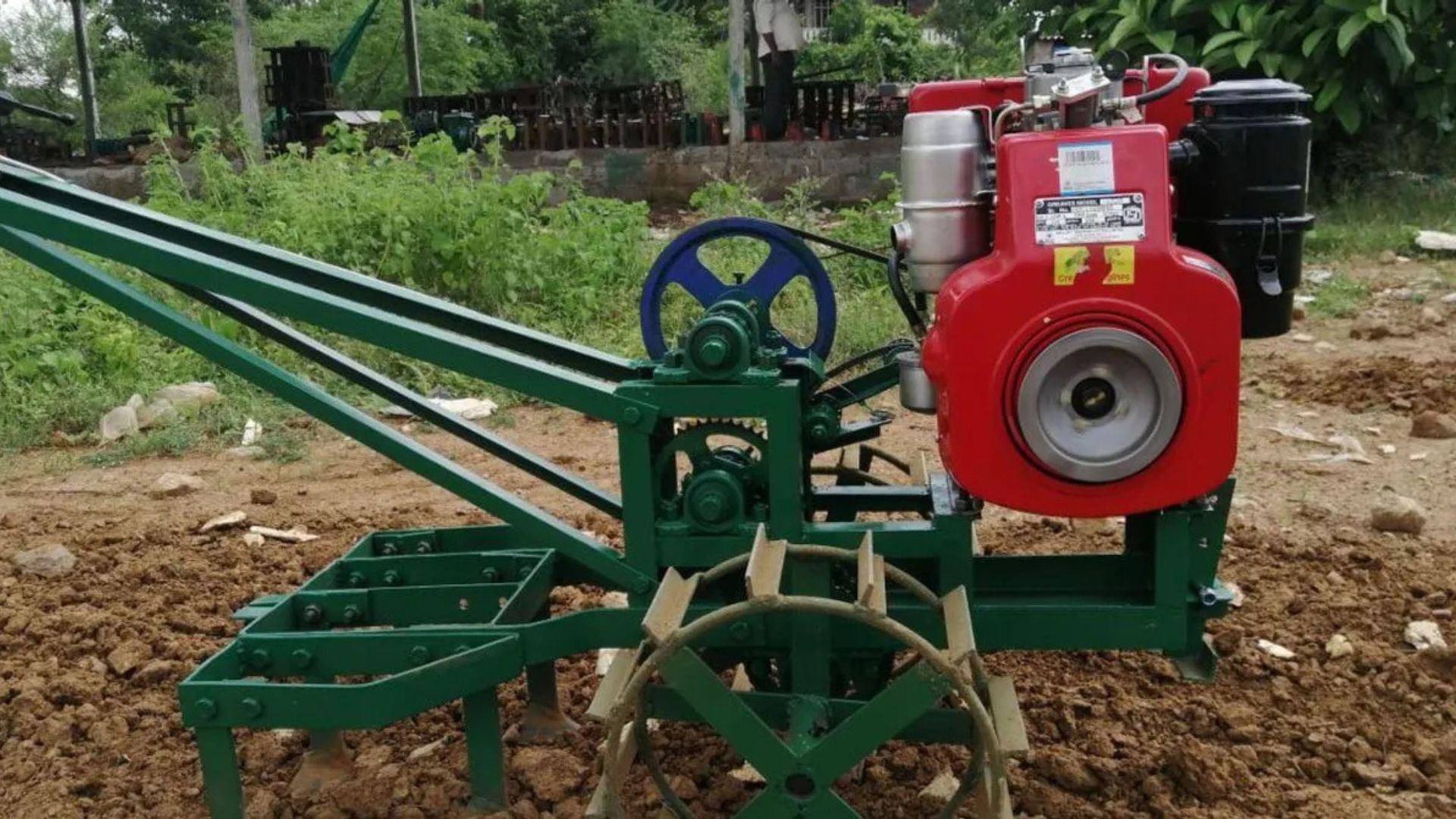
Brazilian Mechanic Wins Indian Presidential Award for Inventing Fuel-Efficient Agricultural Machine

-
Brazilian Polilaminin Reaches 100 Spinal Cord Injury Patients Through Compassionate Use, Shows Progress After 6 Months, Highlighting UFRJ’s Role in Experimental Regeneration Research

-
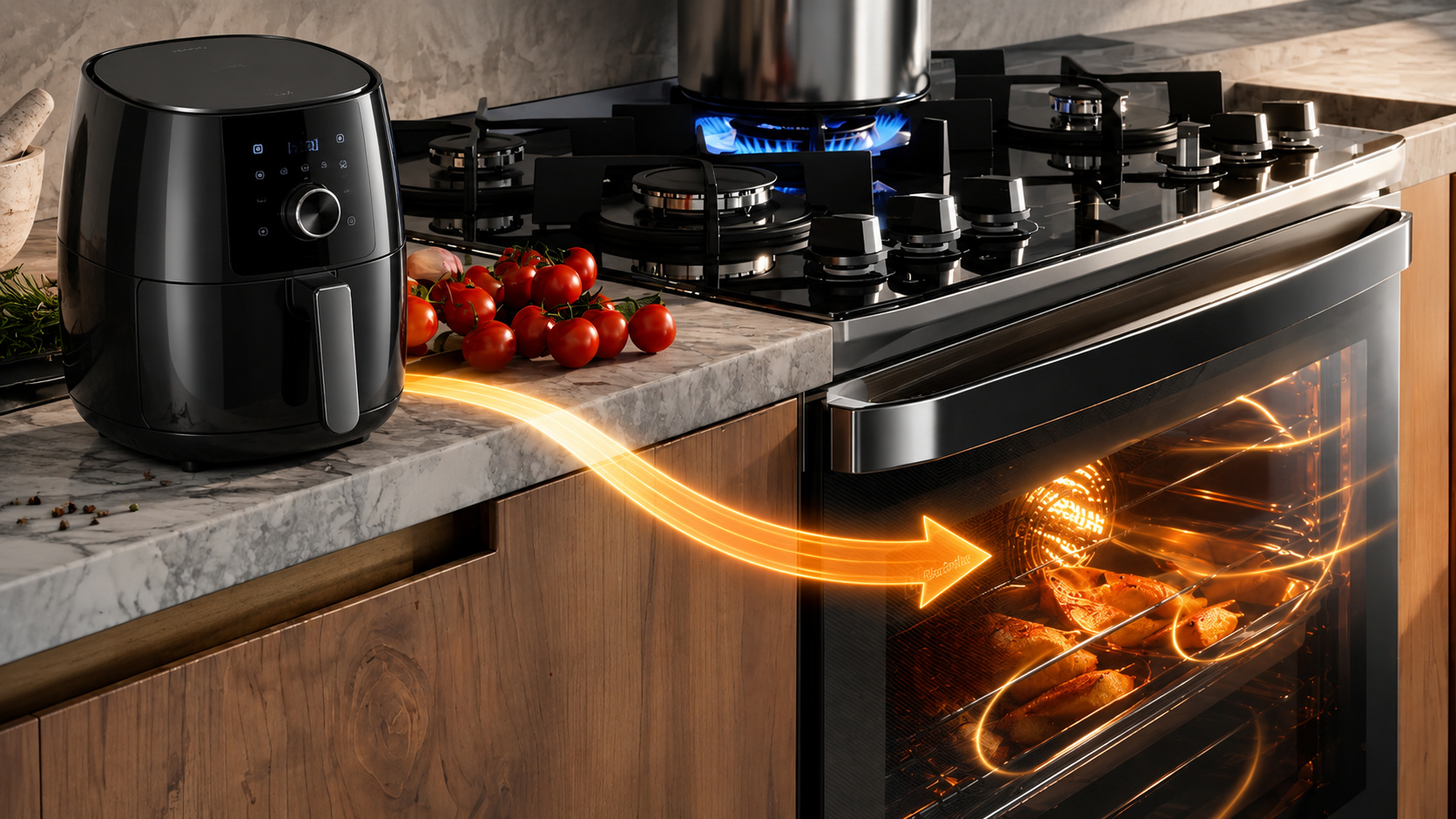
Electrolux Unveils New Stove with Integrated Airfryer, PerfectCook360, VaporBake, Grill, Glass Top, and Oil-Free Large Portion Cooking


Small electrical failures, combined with the natural aging of components and the presence of residues near the heating elements, create a scenario of greater vulnerability, especially in kitchens with simultaneous use of several appliances connected to the same network.
Why the toaster requires more care
The accumulation of crumbs and particles inside the equipment represents one of the main risk factors, as these residues are directly exposed to heat and can ignite under certain conditions of use.

According to safety agency guidelines, it is essential to clean cooking equipment after use, as food residues can serve as fuel when in contact with high temperatures generated during operation.
Furthermore, international recommendations indicate that the toaster should be unplugged and cleaned regularly, reducing the likelihood of fires caused by dirt accumulation in less visible internal areas.
Manufacturers also emphasize that the appliance should always be used under supervision, avoiding leaving it on unattended, as the heating process involves direct contact with combustible material such as bread.
Still within these guidelines, it is highlighted that the equipment must remain away from fabrics, curtains, and closed cabinets, as accumulated heat can increase the risk of propagation in case of failure.
This combination of factors explains why an apparently simple item requires a routine of continuous care, going beyond the quick and automatic use that usually characterizes daily life.
Risks arise not only during operation but also when the appliance remains energized unnecessarily or shows signs of wear that go unnoticed for long periods.
Essential care in toaster use
In daily life, some simple measures make a significant difference in domestic safety, starting with the habit of waiting for complete cooling before any handling or internal cleaning.
Next, it is recommended to unplug the appliance and empty the crumb tray, a procedure that should be done with the appliance cold to avoid accidents or damage to internal components.
If there are trapped residues, the guidance is to completely avoid using metallic objects in the openings, as this can cause electric shock or compromise the functioning of the internal system.

Another relevant aspect involves the place of use, as the toaster must remain on a stable, ventilated surface and away from water and flammable materials, reducing external interferences that increase the risk of incidents.
Enclosed environments or spaces too close to cabinets hinder heat dissipation, which can raise the ambient temperature and compromise safety during continuous use.
In addition to the appliance itself, the residence’s electrical system also directly influences it, especially in places where there is an overload of appliances connected simultaneously.
Data from the Abracopel yearbook indicates that Brazil recorded 1,186 fires caused by overload and short circuit in 2024, highlighting the importance of preventive practices in the use of home appliances.
Although the numbers are not specific to toasters, they help to gauge the impact of electrical failures in the home environment and reinforce the need for basic care.
Warning signs and risks in continuous use
Some signs should be observed carefully, such as damaged cables, irregular operation, unusual odors, sparks, or excessive heating on the outside of the appliance.
Given these signs, the recommendation is to immediately stop using it and unplug the appliance, preventing the continuation of a failure that could escalate to more serious situations.
Ignoring changes in operation tends to prolong exposure to risk, especially in appliances that operate with direct heat and sensitive electrical components.
There is also the mistaken perception that, because it is compact and used quickly, the appliance does not represent a significant danger in the domestic routine.
In practice, the combination of intense heat, accumulated residues, and component wear makes the toaster a constant point of attention, requiring simple but consistent care.
Therefore, prevention campaigns reinforce two central guidelines: monitor its operation and unplug it after use, practices that significantly reduce the probability of failures.
The logic also applies to other heat-generating small appliances, although the toaster stands out due to the ease of residue accumulation and the direct proximity between food and the heating source.
Keeping it clean, checking the cable’s condition, and avoiding use in stuffy environments are actions that contribute to safer and more durable operation.
In the fast pace of daily life, simple gestures like letting the appliance cool down and unplugging it help reduce silent risks and preserve both the equipment and the safety of the residence.