Portuguese
  Spanish


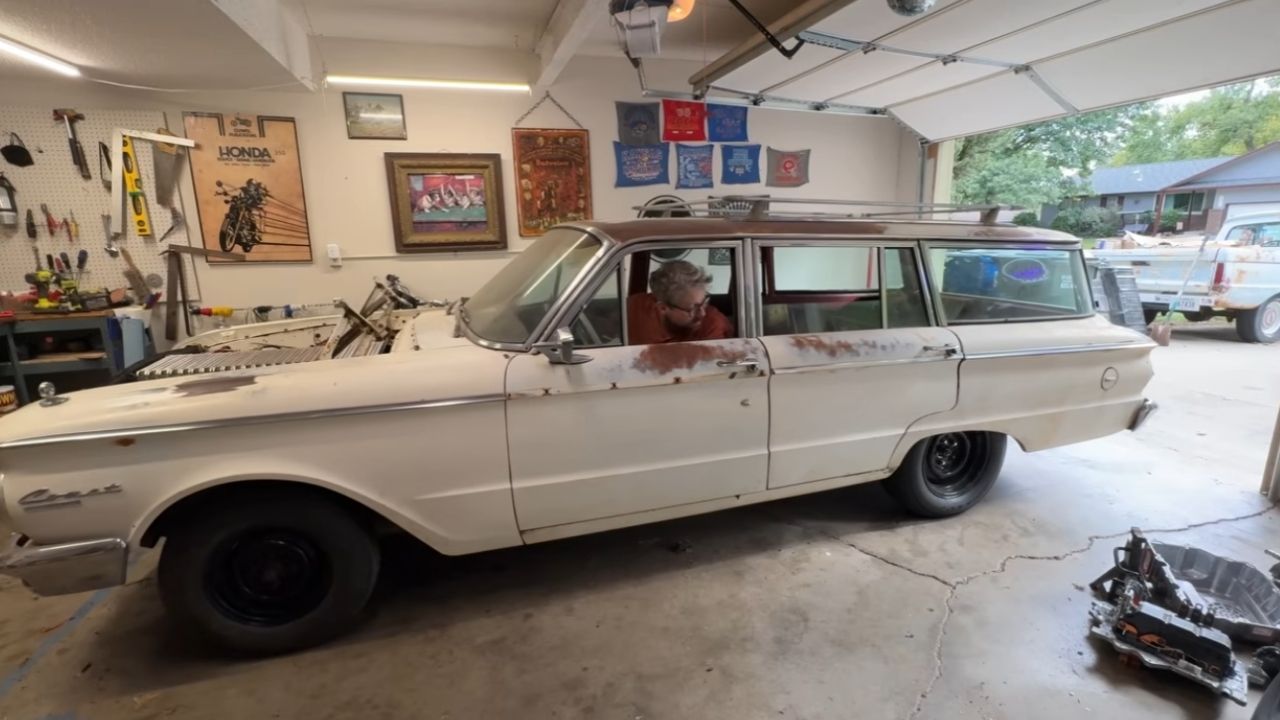

In a video published on December 26, 2025, on the channel This Old Jalopy, Danny shows the electric conversion of a 1962 Mercury Comet using parts from a wrecked Nissan Leaf, Resolve EV, rear motor assembly, and batteries that reached 381 volts, below common costs in specialized workshops.
The electric conversion of a 1962 Mercury Comet became an example of how a DIY project can reduce costs by reusing components from a wrecked electric car. In the video published by the channel This Old Jalopy on December 26, 2025, Danny shows how he brought the classic out of the garage using parts from a Nissan Leaf.
The stated goal was to make the adaptation for less than $6,000, not counting the value of the old car. According to the creator himself, an electric conversion usually costs around $40,000, plus labor, when done through traditional means.
1962 Mercury Comet was idle before the project
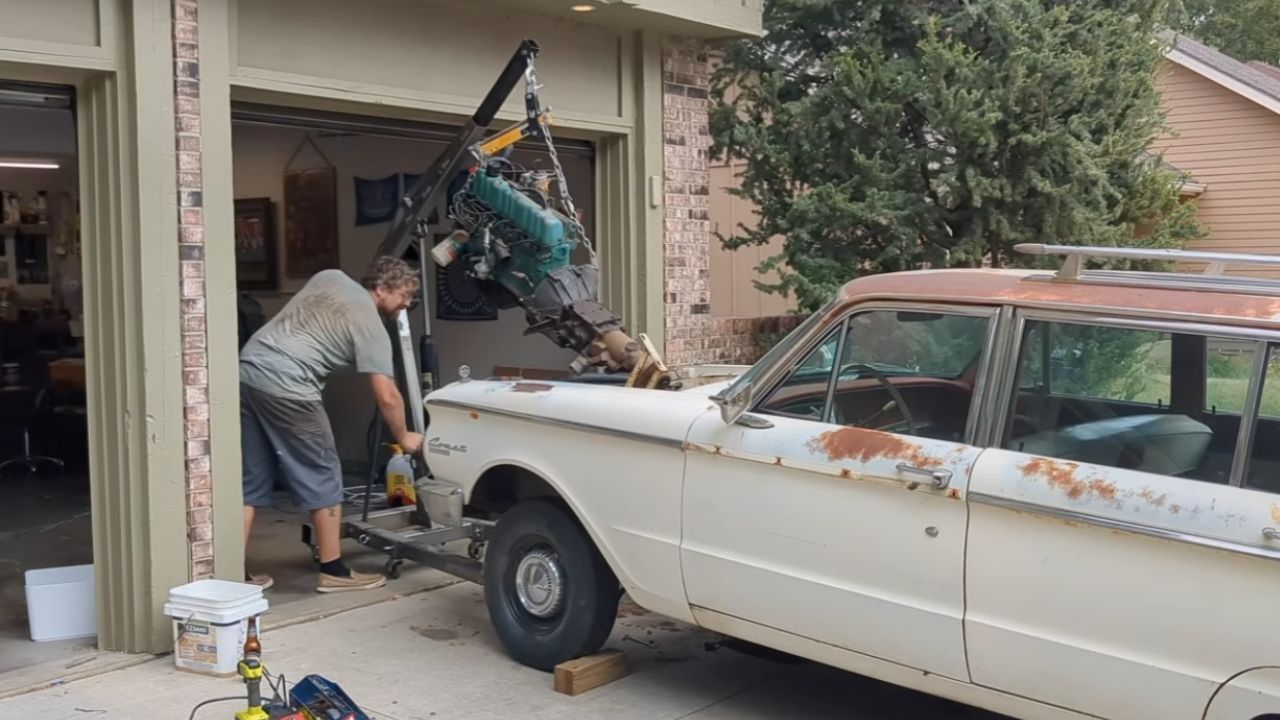
The starting point was a 1962 Mercury Comet with an old engine that didn’t work. Danny explains in the video that he tried to solve the problems of the original setup, but the attempts were unsuccessful and the car remained idle.
-
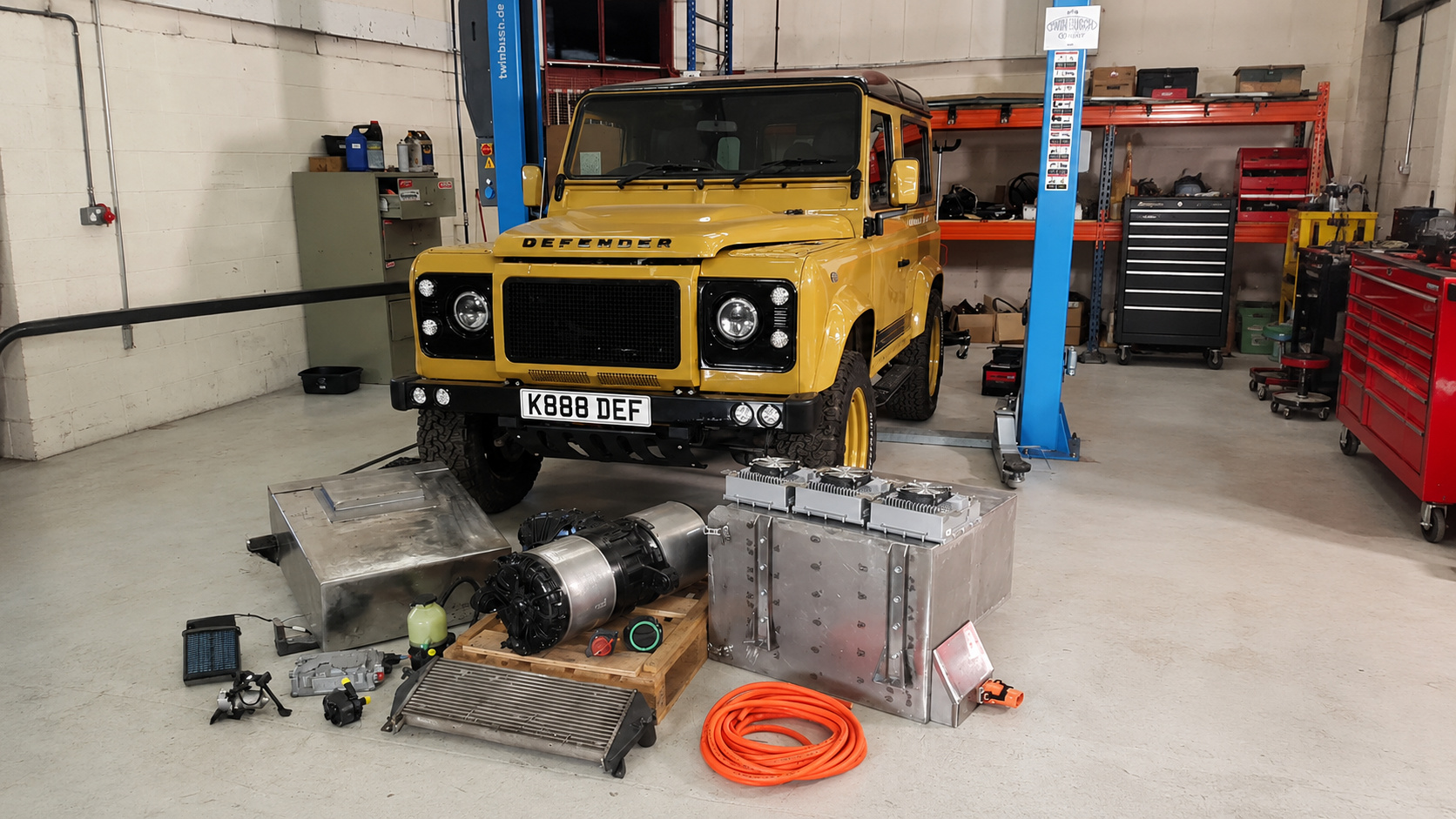
British Mechanics Convert Classic Land Rover Defender to Electric, Maintaining Original Look with 483 Horsepower and 75 kWh Battery

-
Chevrolet Onix Turbo AT 2020: Affordable Used Hatchback with Turbo Engine, Automatic Transmission, and Six Airbags

-
Rolls-Royce Turns Heads with 30-Inch Floating Wheels, 6.6-Liter V12 Engine, and 563 Horsepower
-
2019 Kia Sportage EX: A Spacious and Cost-Effective SUV with 2.0 Flex Engine and Panoramic Roof


From there, the proposal changed: remove the combustion-related components and transform the classic into an electric car. The choice was not to do a conventional restoration, but to use DIY engineering to bring movement back to the car with a different type of mechanical setup.
Wrecked Nissan Leaf became the donor for the electric conversion
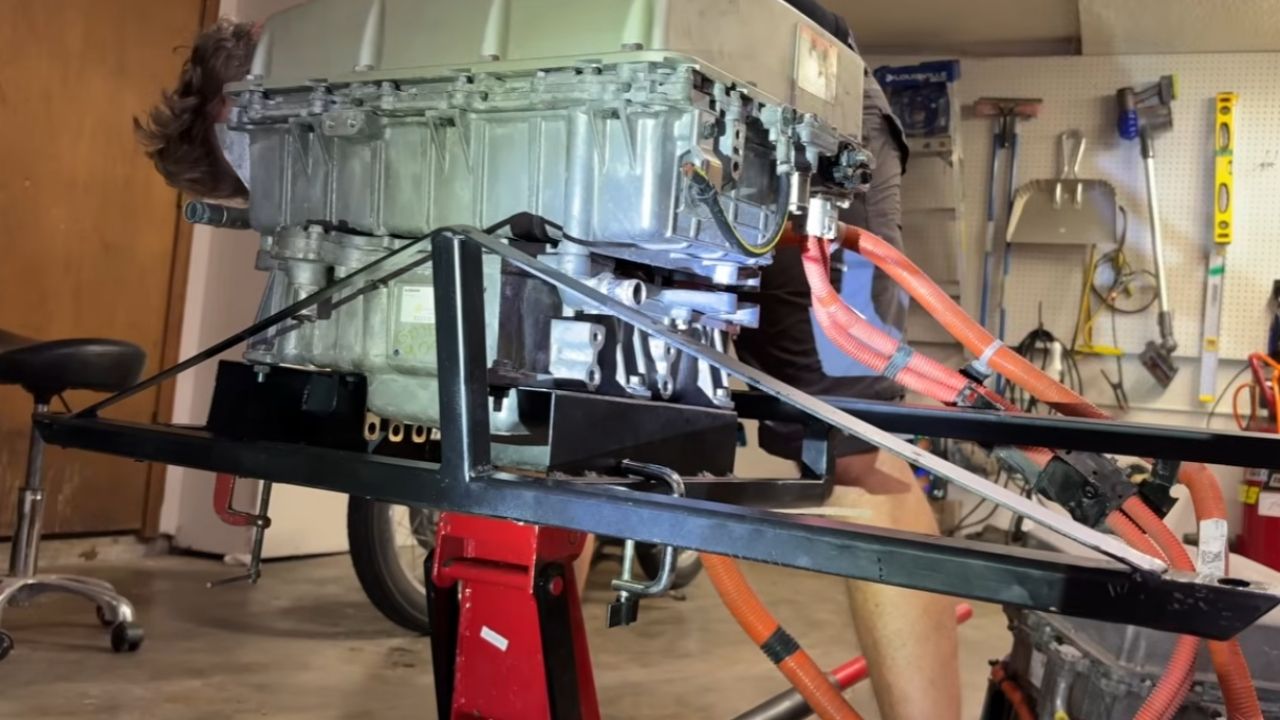
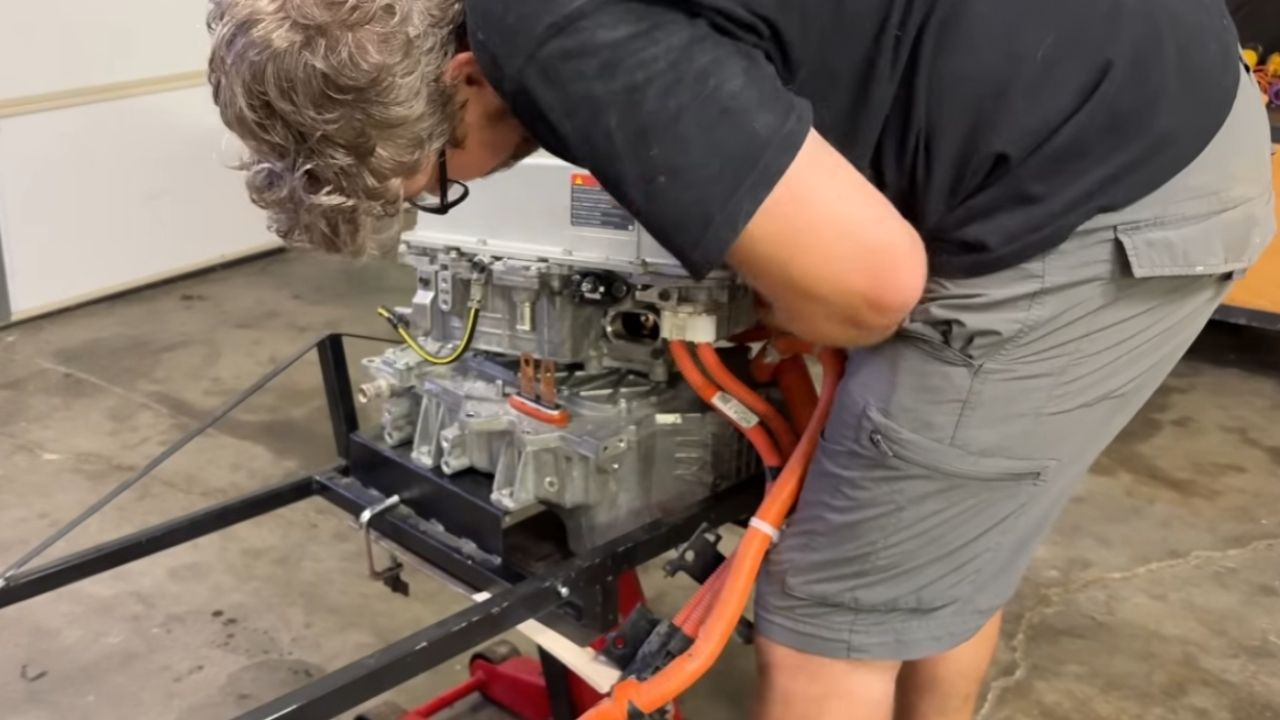
One of the most important decisions was to use a wrecked Nissan Leaf as the donor car. The strategy allowed for the reuse of the motor, inverter, charger, battery, management system, and other electrical components that were already designed to work together.
Danny also used a Resolve EV control unit, a part that helped make the Leaf’s systems communicate. In practice, this reduced the need to buy separate and expensive solutions. It was this combination of donor car and electronic control that kept the electric conversion within the planned budget.
Rear assembly cut weight and extra parts
Instead of connecting the electric motor to the old manual transmission, as is done in many conversions, Danny decided to mount the motor at the rear. The decision allowed for the elimination of the transmission, differential, driveshaft, and other heavy components.
According to the video, this choice also avoided the purchase of an adapter plate and coupling, items that could exceed US$ 1,000. Besides the savings, the project aimed to reduce mechanical losses and make the Mercury Comet lighter and more efficient.
De Dion axle became a solution to adapt the classic
The rear adaptation required the construction of a De Dion axle. Danny built a tubular structure to go around the motor and allow the assembly to fit into the available space, keeping the car with rear-wheel drive.
The process involved welding, support adjustments, repositioning parts, and interference corrections. At one point, the axle tube touched the motor’s upper support, and the creator had to redesign the assembly to gain clearance before installing everything permanently.
High voltage brought errors, tests, and corrections
The electrical conversion did not work at first. During the high voltage phase, Danny faced fault codes, communication problems, unexpected measurements, and component replacements. In one of the tests, he checked different voltages at system points and needed to investigate the path between the battery, contactors, and inverter.
The project also required the replacement of parts and the correction of connections in the phase cables. After adjusting the wire sequence, the wheels finally turned in the expected direction. This part of the video shows that the low cost came with technical knowledge, trial and error, and constant attention to safety.
Batteries reached 381 volts before the first outing


In the final stretch, Danny disassembled battery modules, checked voltages, replaced damaged units, and assembled the electric package structure. In one of the final tests, the system marked 381 volts, indicating that the high voltage set was ready to start the car.
With the auxiliary battery connected, the system energized, and the panel indicating charge, the Mercury Comet finally left the garage. The car was not yet complete: the creator himself mentions the absence of headlights, turn signals, horn, wipers, and hood at that time.
Less than US$ 6,000, but not exactly simple
The project draws attention for its cost, but should not be confused with an easy adaptation. The electrical conversion required welding, part manufacturing, code reading, high voltage measurements, mechanical adjustments, and understanding of the Nissan Leaf system.
Even so, the case shows an alternative different from the expensive conversions done in luxury classics. By using a crashed electric as a donor, Danny showed that part of the cost can drop when the project takes advantage of original factory components and a lot of self-labor.
Electric classics still divide opinions
Danny’s 1962 Mercury Comet did not become electric to erase its history, but to get moving again after years of being idle. The electric conversion preserved the classic body while replacing the set that no longer worked with a repurposed solution from a Nissan Leaf.
The project raises a discussion that is growing among enthusiasts: is it better to keep a classic exactly as it came out of the factory or to adapt idle cars so they can run again with other technology? Would you do an electric conversion on an old car or do you think it takes away part of the model’s identity? Leave your opinion in the comments.