Portuguese
  Spanish


Study with extremophile bacteria from the lagoon in Rio de Janeiro boosts astrobiology and reveals new clues about possible life on Mars.
Researchers from the Astrobiology Laboratory (AstroLab) at the Institute of Chemistry of the University of São Paulo (USP) found an unexpected ally to decipher the mysteries of the red planet: the bacterium Staphylococcus nepalensis. According to a publication by The Conversation on June 23, 2026, originally identified in 2003 in the digestive tract of goats in Nepal, this species also inhabits the saliva of domestic cats and Brazilian hypersaline lagoons.
The scientific breakthrough occurred after scientists identified characteristics similar to those of extreme environments in this microorganism, increasing the chances of understanding how life could exist beyond Earth. By analyzing the resilience of this structure in the laboratory, astrobiology specialists simulate the conditions of Martian intermittent brines — small flows of highly salty water that appear for short periods on the surface of Mars — evaluating the survival limits of extremophile bacteria in extraterrestrial soils.
The Fluminense laboratory and the secrets of astrobiology
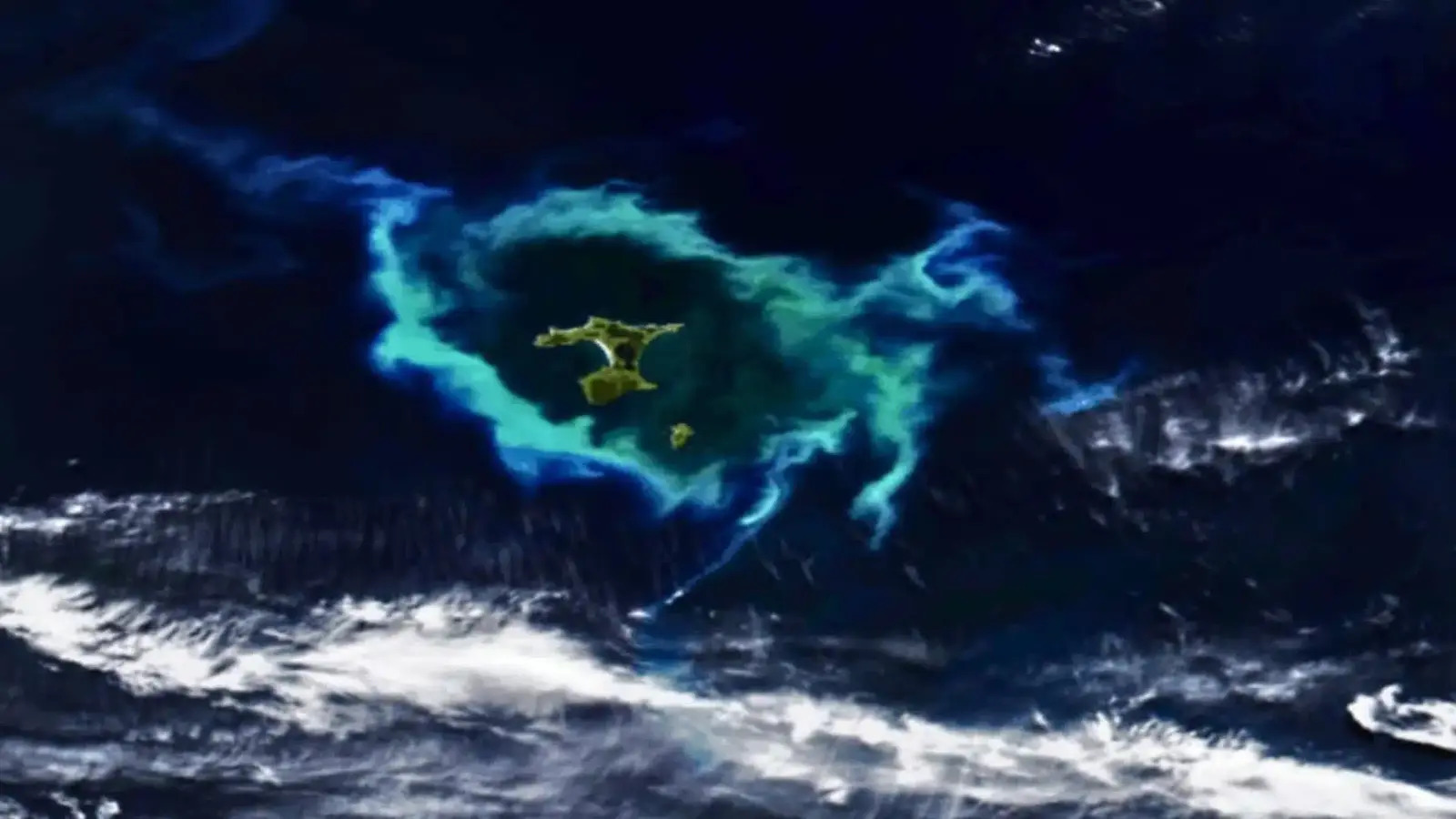
In 2019, the research group associated with AstroLab isolated samples of Staphylococcus nepalensis in the Região dos Lagos, on the Fluminense coast. The ecosystem extends over six municipalities and contains the largest mass of permanent hypersaline water in the world. The scientists focused on the Brejo do Espinho lagoon, a shallow water body with an average depth ranging from just 2 centimeters to 2 meters, connected to the ocean by a channel.
-
Brazilian Mechanic Wins Indian Presidential Award for Inventing Fuel-Efficient Agricultural Machine

-
Brazilian Polilaminin Reaches 100 Spinal Cord Injury Patients Through Compassionate Use, Shows Progress After 6 Months, Highlighting UFRJ’s Role in Experimental Regeneration Research

-
Electrolux Unveils New Stove with Integrated Airfryer, PerfectCook360, VaporBake, Grill, Glass Top, and Oil-Free Large Portion Cooking

-
Brazil Approves Non-Hormonal Drug to Alleviate Menopausal Hot Flashes, Potentially Transforming Treatment



This reduced water layer exacerbates the variation in salinity throughout the seasons:
- Dry periods: severe evaporation drastically raises the salt concentration, exceeding sea levels.
- Rainy seasons: the influx of water causes salinity to plummet abruptly.
This seasonal instability acts as a rigorous selective barrier that few living beings can withstand. By perfectly adapting to this scenario, the microorganism has become an excellent biological model for astrobiology, allowing projections of how microscopic life forms would withstand the hostility of the Martian surface.
Chaotropicity and the challenges for life on Mars
The chemistry of Martian soil imposes severe barriers to cellular development. While on Earth salts such as sodium chloride, calcium carbonate, calcium sulfate, and sodium bicarbonate predominate, which do not destroy vital macromolecules, Mars presents a much more toxic scenario.
Data obtained in 2008 by the Phoenix mission revealed an abundance of calcium, magnesium, and sodium perchlorates on the surface. These rare salts have a strong chaotropic action, which means they disrupt proteins and DNA, breaking their three-dimensional bonds and destroying their biological functions.
On the other hand, perchlorates have specific physicochemical properties:
- Hygroscopy: they strongly attract water molecules from the atmosphere.
- Freezing point reduction: they keep aqueous solutions in a liquid state under extreme conditions.
This dynamic enables the formation of brines on the Martian surface, where the average temperature is around -60 °C, but fluctuates from -150 °C at the poles to 20 °C near the equator. Even occurring in tiny amounts during the planet’s summer, this hypersaline water opens pathways to estimate the viability of bacteria on Mars. Additionally, organisms from the Atacama Desert in Chile use these perchlorates as a direct energy source.
The Martian summer and the resilience of extremophile bacteria
Experiments developed by the USP team recreate the daily changes of summer on the red planet. The study analyzes the biological reactions of Staphylococcus nepalensis exposed to the cycles of intermittent brines, which freeze at night and melt during the day.
- Daytime cycle: the temperature rises, the ice melts, and water becomes more available for biological processes, diluting the accumulated salt.
- Nighttime cycle: the intense cold refreezes the solution, reducing free liquid water and causing a severe process of desiccation and saline concentration.
The continuous variation tests the adaptive limits of the microorganism from Rio de Janeiro. The scientific trials aim to map whether the defenses developed in the lagoon of Rio de Janeiro provide the necessary flexibility to tolerate these space stressors, helping to unravel the survival mechanisms of extremophile bacteria under strong environmental fluctuation.
The genetic leaps in mapping the lagoon of Rio de Janeiro
The AstroLab team also investigates the genetic structure of Staphylococcus nepalensis to identify which genes are activated under chemical and thermal stress. Meanwhile, researchers map the microorganism’s ability to perform horizontal gene transfer to Staphylococcus aureus — a species of the same genus present on human skin and respiratory tracts, known for causing severe infections.
Horizontal transfer differs from traditional vertical inheritance by occurring within the same generation, directly sharing antibiotic resistance genes. This genetic exchange accelerates biological adaptation under strong selective pressures. Understanding this process helps decipher the universal evolutionary paths that would guide microbial colonies in space and deepens knowledge about the minimum conditions for habitability beyond Earth.
The future of space exploration and the biological limits of the cosmos
The integration between environmental data collected in the lagoon of Rio de Janeiro and extraterrestrial climate models expands the frontiers of planetary science. By decoding the molecular secrets of this bacterium, Brazilian researchers offer indispensable practical references for the planning of future space reconnaissance probes.
The evidence gathered suggests that the boundaries for the existence of life on Mars and other celestial bodies in the solar system may be much broader than traditional theories assumed. The cellular ability to overcome chaotropicity and severe freezing cycles indicates that the paths of biological evolution on Earth hold the fundamental answers to decipher the habitability of the universe.