






 Portuguese
  Spanish


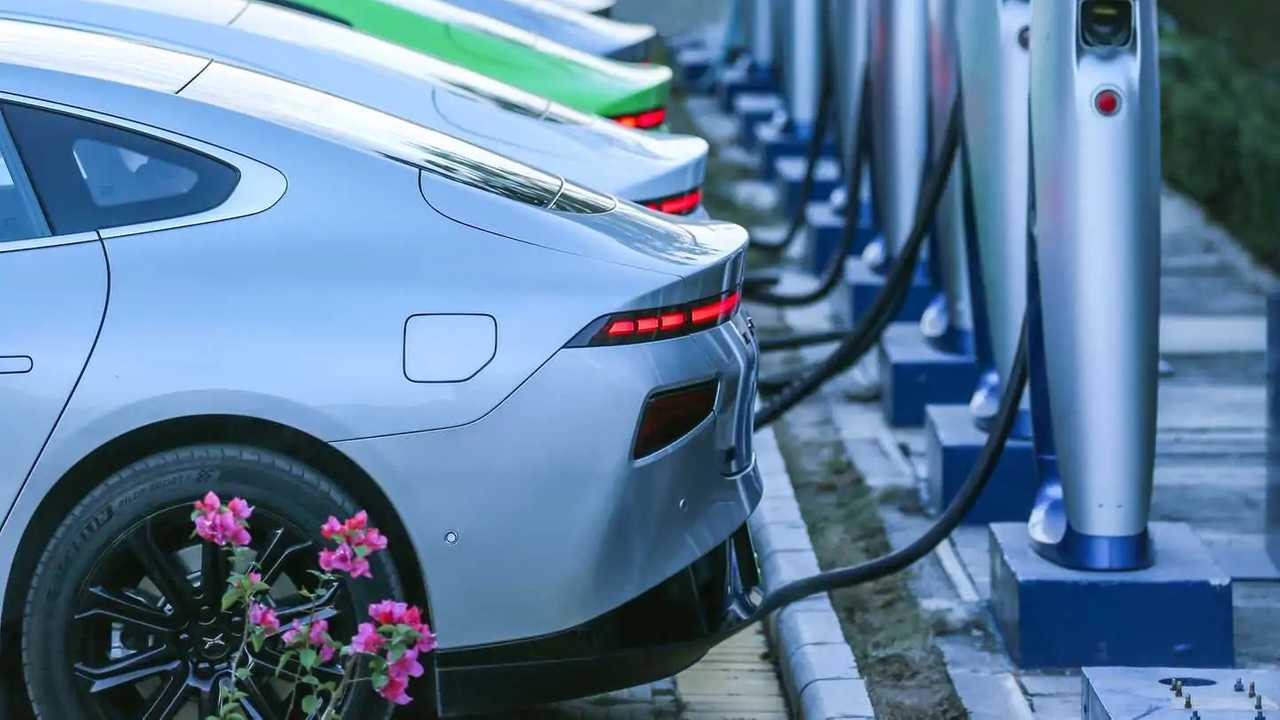

Electric Vehicles Face A Drop In Demand And Excess Inventory At Dealerships. Discover The Main Factors Affecting The Sales And Profits Of These Cars
The electric vehicle market, which once seemed promising, is facing significant challenges. Demand has decreased, governments are backtracking on their electrification plans, and automakers are slowing their projects to conserve capital. As a result, dealerships are dealing with an excess of electric vehicles that they cannot sell. Let’s explore the five main reasons for this scenario, according to the video from the Mobility Channel – MOCHA.
1. Electric Vehicles Collecting Dust In Lots
In the early days of electric vehicles, dealerships were excited to stock these cars due to initial high demand. However, that phase has passed, and the average consumer has not yet fully adopted electric vehicles, mainly due to high cost and lack of convenience compared to internal combustion vehicles.
Recent data shows an 8% drop in electric vehicle sales, while production increased by more than 500% compared to last year. As a result, there is an excess of inventory, and models like the Mercedes-Benz EQS and Mustang Mach-E are staying on lots for up to 157 and 151 days, respectively.
-
End of an era in Brazil: beloved sedan by Brazilians is discontinued despite having a 2.0 engine with 151 hp, CVT transmission, 466-liter trunk, and up to 650 km of range.

-
New Law Proposal in Brazil Could Heavily Penalize Drivers: Dangerous Overtaking May Become a Serious Offense with Fines Increased Tenfold and a 12-Month License Suspension; Update on 2026 Progress

-
Electric Revolution: Watts W125 Motorcycle Offers 160 km Range, 90 km/h Speed, and Affordable Price Starting at $3,000
-
General Motors Replaces Over a Thousand Workers with 50 Cobots at Electric Vehicle Plant, UAW Union Criticizes Move Amid Industry’s Automation Push



2. Shrinking Profit Margins
In the past, high demand allowed dealerships to impose large margins on electric vehicles. Today, with oversupply and reduced demand, those margins have shrunk drastically. Manufacturers and dealerships are desperate to offload current inventory, offering significant discounts. For example, Tesla has reduced prices on popular models, and Ford offered discounts of up to $15,000 on the F150 Lightning. In this scenario, dealerships can barely break even, often selling vehicles at no profit just to recover their investment.
Learn More About The Electric Vehicle Crisis


3. Selling Electric Vehicles: A Herculean Challenge
Selling electric vehicles has proven to be a complex task for dealerships. The sales process for these cars is more time-consuming and requires greater effort from salespeople. Studies show that potential electric vehicle buyers make, on average, four visits before deciding to purchase, unlike combustion vehicles where the process is more straightforward. This means that salespeople need to invest much more time to close a sale, often working without commission for a significant amount of time. This situation leads some salespeople to dissuade potential customers from acquiring electric vehicles.
4. Less Profit From Maintenance
The majority of a dealership’s profits come from maintenance and repair services. However, electric vehicles require less regular maintenance, which directly impacts profits. Repairs for electric vehicles tend to be more complex, involving software and electronics, and staff are often not trained to handle these issues. As a result, broken electric vehicles sit idle on dealership lots for weeks, waiting for instructions from manufacturers.
5. High Investment In Infrastructure
To sell electric vehicles, dealerships need to meet manufacturers’ criteria, including the installation of charging infrastructure and staff training. These requirements demand substantial investments, often reaching hundreds of thousands of dollars. Given the current market situation, even the most ambitious dealerships are reluctant to make these investments. Ford, for example, required dealerships to invest between $500,000 and $1.2 million in electrification infrastructure, but demand has not met expectations. Many dealerships are choosing not to invest, preferring buyback programs or resisting pressure from manufacturers.



De acordo com o ZeroGPT esse antigo foi criado pelo chatgpt
Mas assim. Sobre o conteúdo… o que esperar de um site sobre petróleo e gás… aí.. Os carros elétricos são um fracasso.. se acostumem.. os elétricos vieram pra ficar…