Portuguese
  Spanish


A report from the South China Morning Post shows the boom of foreign buyers after cheap houses in Japan, the so-called akiya: empty properties that the Japanese market discarded and that the country accumulates to 9 million. Agents like Stephen Wong and Parker Allen guide the foreigners, but warn that expensive renovation can turn the bargain into a trap. The video was published on July 5, 2026.
There is a country where a house can cost less than a used car. That country is Japan, and the cheap houses in Japan have become a coveted object for foreigners worldwide, as shown in the report from the South China Morning Post. These are the akiya, houses that the Japanese market itself abandoned for being considered too old or too remote.
The phenomenon already concerns and fascinates experts. According to CNBC, Japan has about 9 million empty properties, and the interest of foreign buyers in these cheap houses in Japan has grown so much that there are now real estate agencies dedicated solely to this audience, even though the risks of expensive renovation are significant.
The number of abandoned houses is alarming. The akiya represent almost 14% of the entire housing stock of the country, a historical record that reflects the aging and depopulation of Japan’s countryside, where there are plenty of empty properties and a lack of residents.
-
Lawyer Turned Entrepreneur Earns $60,000 Annually Selling Brazilian Cheese Bread: Athena Rodrigues Started with $400 and Founded Dona Zelda, Bringing a Taste of Minas Gerais to São Paulo’s Heart

-
China’s “Green Wall” Initiative Reclaims Over 2,000 km² of the Gobi Desert Annually, Transforming Sand into Forests, Solar Plants, and Zero-Carbon Highways

-
Brazilian State Sets Example by Investing Over $11 Billion in 2,000 Miles of Highways, Transforming Roads into Corridors Linked to Ports Handling 28.87 Million Tons of Cargo

-
The Fragrant Plant That Thrives in Partial Shade and Enhances Your Home’s Entrance with a Daily Garden Scent


Next, see what the akiya are, why there are so many cheap houses in Japan, how much they cost, who the foreign buyers behind the boom are, why expensive renovation can become a trap, and what all this has to do with Brazil.
What are the “akiya”, the empty properties that remain in Japan
The Japanese term akiya literally means empty house. These are unoccupied residences, often abandoned for years, scattered throughout the countryside and even in the cities of the country, forming the gigantic stock of empty properties that characterizes the cheap houses in Japan.
The size of the problem is impressive. Japan accounts for about 9 million akiya, equivalent to almost 14% of all housing in the country, a record that turns these empty properties into a social and economic phenomenon difficult to ignore.
The distribution is uneven. Some rural provinces have more than 20% of empty houses, while even Tokyo, despite continuing to grow, accumulates hundreds of thousands of akiya, showing that cheap houses in Japan exist both in the countryside and on the outskirts of large cities.
Many of these houses have simply stopped in time. Inherited by relatives who already live far away, these akiya remain locked, unused, and unmaintained, adding to the count of empty properties that the country cannot sell or rent to the local market.
The result is a paradox. In a world where housing is expensive, Japan has millions of stranded cheap houses in Japan, and it is precisely this excess of empty properties that has opened the door for foreign buyers to see an opportunity there.
From Centenary to “New”: The House That the Foreigner Renovates
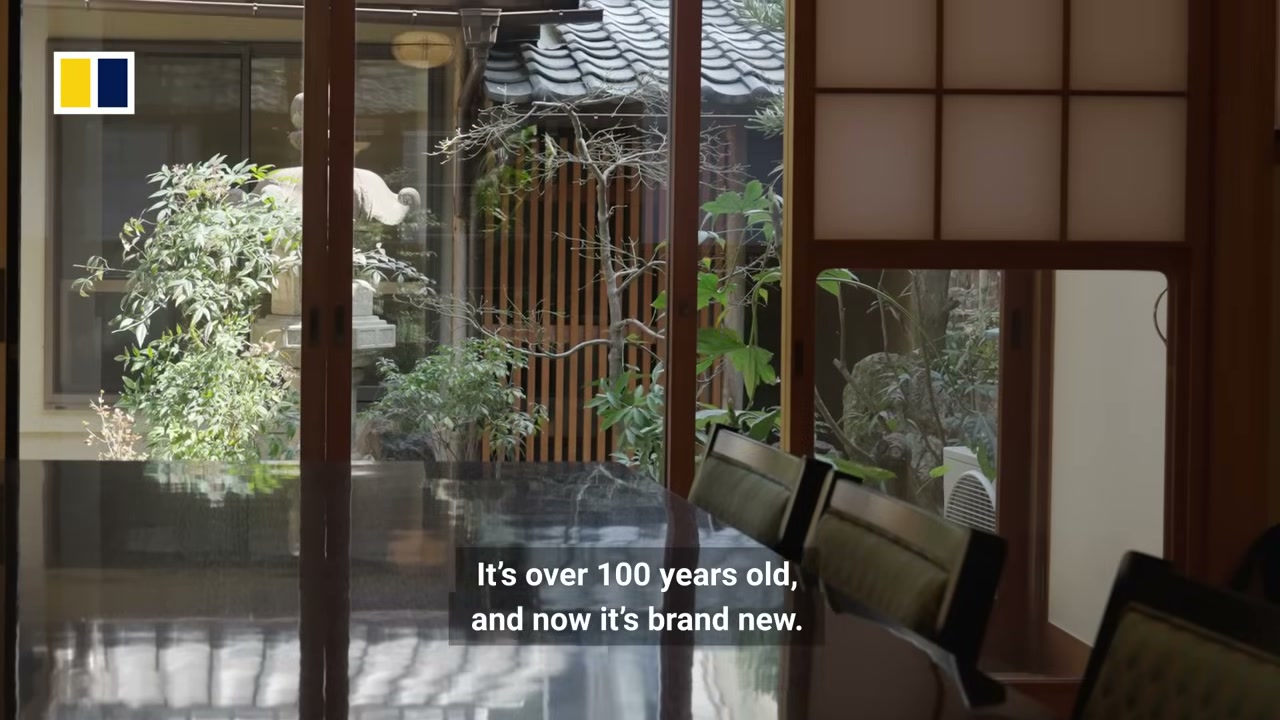
Not every akiya is a ruin without a future. In the report, an agent shows a kyomachiya, a traditional Kyoto merchant’s house over a century old, completely renovated and transformed into a modern home, proof that cheap houses in Japan can be reborn.
The contrast is enormous. On the outside, these houses retain traditional Japanese architecture, with wood, tiles, and centenary details; on the inside, after renovation, they become comfortable residences, the kind of rescue that enchants foreign buyers willing to invest in empty properties.
It is this charm that drives the market. For many foreigners, buying an akiya and bringing it back to life is more than a business: it’s the chance to live in a historic house for a price that would be unthinkable in their countries, even adding the cost of the expensive renovation.
But there is an important message in this story. Making one of these cheap houses in Japan habitable and beautiful requires time, money, and knowledge, and that’s where the deal that seemed like a bargain starts to grow for those who take on the empty properties.
The agent appearing in the video specializes precisely in this. He helps foreign buyers find and restore these houses, combining a passion for Japanese architecture with the hard work of transforming a dusty akiya into a photo-worthy home.
Why the Japanese Abandon These Houses
The question is inevitable: why are there so many cheap houses in Japan? The first answer lies in demographics. Japan has been losing population for years, with record declines, and fewer people are competing for housing, which multiplies the number of empty properties across the country.
Rural exodus worsens everything. Young people migrate to big cities in search of jobs, leaving behind family homes in the countryside, which become akiya with no one willing to take on the maintenance or costs of these cheap houses in Japan.
There is also a peculiar financial logic. In Japan, wooden houses depreciate like cars: they lose value with age and, around 22 years, the market value for the local buyer tends to zero, which pushes even more empty properties into limbo.
Inheritance complicates the scenario. Many akiya remain with undefined ownership, divided among heirs who do not agree or are not even aware they are owners, and this legal confusion freezes a large part of the cheap houses in Japan out of the market.
Finally, the culture of the new weighs in. In Japan, it is common to demolish the old house and build another instead of renovating, which reduces the value of old properties and helps explain why so many foreign buyers can acquire these empty properties for so little.
From Free to $3,500: The Prices That Go Viral
The values are what make the videos go viral. The internet is fascinated with the cheap houses in Japan: akiya are listed for $3,500, and even houses offered for free in cities desperately trying to attract new residents to occupy their empty properties.
The price range is impressive. Many of these houses cost from nothing to about 1 million yen, which is around a few thousand dollars, and a large portion of the listings are below ten thousand dollars, making the cheap houses in Japan an internet phenomenon and not just a market one.
Entire cities have joined the trend. Shrinking municipalities offer akiya for symbolic values or for free to those who commit to living and renovating, in an attempt to reverse depopulation and make use of the empty properties before they turn into ruins.
But the price tag is deceiving. As experts warn, the low price of these cheap houses in Japan is just the beginning of the bill, and those who get excited about the bargain forget that the expensive renovation often costs much more than the purchase itself.
In the end, the cheap can become expensive. That’s why more experienced foreign buyers treat the price of the akiya only as the entry point to a much larger project, in which the empty properties are only worthwhile with planning.
Who are the foreigners buying akiya
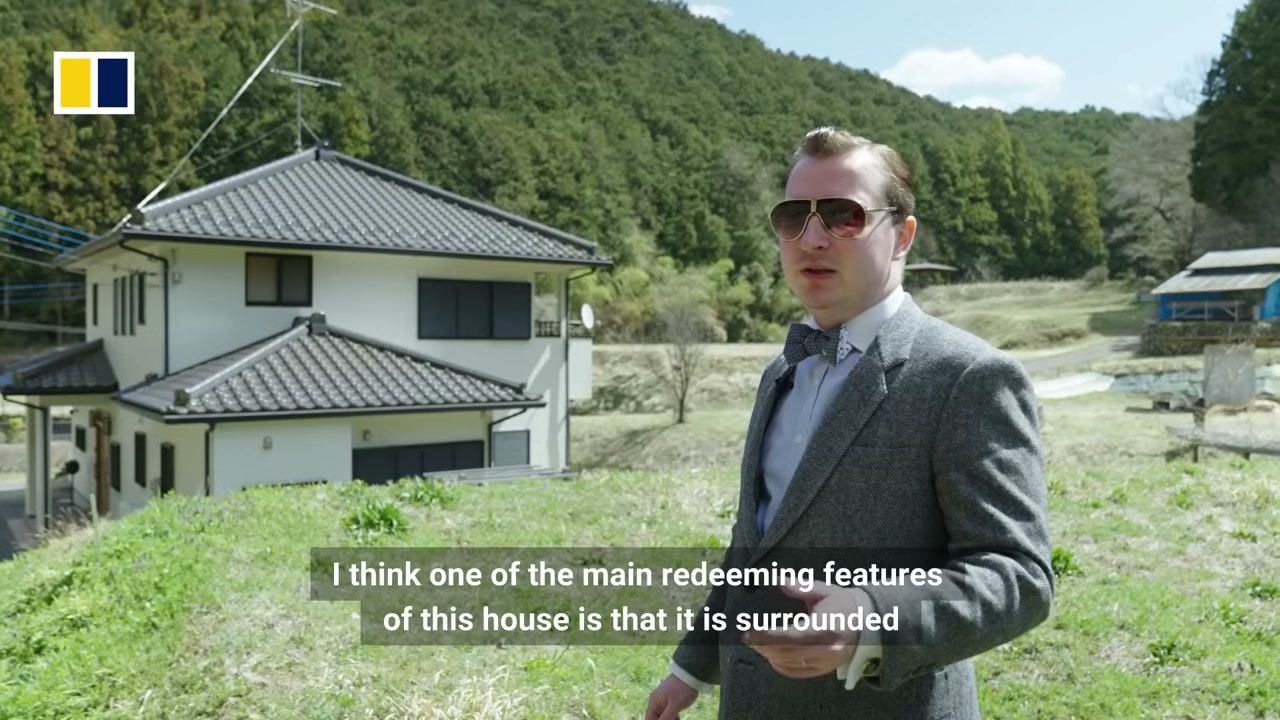
Behind the boom are specialized agents. Stephen Wong, founder of a real estate agency focused on foreigners, helps clients from abroad find and renovate cheap houses in Japan, showcasing century-old akiya transformed into modern homes for foreign buyers.
Another prominent name is Parker Allen. Co-founder of a real estate consultancy based in Ogawamachi, Saitama Prefecture, he operates from a building that was once a school and states that most of his clients today come from abroad, attracted by the country’s empty properties.
The profile of buyers has changed. If previously the akiya interested few Japanese, now it is the foreign buyers who lead the demand, driven by the weak yen, remote work, and the dream of owning a house in Japan for a fraction of the price.
These agents bridge cultural and bureaucratic gaps. Besides finding the cheap houses in Japan, they help foreigners understand the buying process, the documents, and the risks, an essential role in a market of empty properties full of details that the foreign buyer is unaware of.
The interest also reveals a new geography of desire. While the Japanese flee the countryside, foreigners rush there, and it is this inversion that sustains the akiya market, with foreign buyers seeing charm where the local market saw only expensive renovation and abandonment.
The trap: the expensive renovation and the tax that can sextuple
Here lies the biggest danger of the business. The low price of cheap houses in Japan usually comes with an expensive renovation, which can cost from 20 to 50 million yen or more, turning an “almost free” akiya into a project of hundreds of thousands of dollars.
The reason is simple. Many of these houses are degraded, with poor roofing, compromised structure, and outdated installations, and making them habitable requires renovating almost everything, which makes the cost of empty properties soar well beyond the purchase value.
There is also the specter of earthquakes. A large part of the akiya was built before 1981 and does not meet the modern seismic code, which requires expensive structural reinforcements to make the cheap houses in Japan safe, yet another item that inflates the expensive renovation.
And there is a tax trap. Due to recent rules, an empty and poorly maintained house can lose tax benefits and have the property tax multiplied by up to six times, a silent trap for foreign buyers who leave the akiya unattended.
For those living abroad, the risk is greater. All notices and charges arrive in Japanese, and the foreign buyer who does not read the language may miss deadlines, accumulate fines, and see the supposed bargain of cheap houses in Japan turn into a headache and loss.
Does buying a house in Japan grant a visa?
It is one of the biggest misconceptions on the subject. Many people imagine that acquiring one of the cheap houses in Japan guarantees the right to live in the country, but this is a myth: buying a property, even an akiya, does not grant a visa or residency to the foreign buyer.
The purchase itself is unrestricted. Foreigners can buy empty properties in Japan without nationality restrictions, even with a tourist visa and without living in the country, which facilitates access to cheap houses in Japan, but does not change anyone’s immigration status.
What changes is the bureaucracy. The foreign owner needs to appoint a representative for tax matters and a local contact, and new rules require declaring citizenship in the registration and informing the use of the property, requirements that make the ownership of akiya more controlled.
Therefore, the dream requires realism. Having an akiya can be a second vacation home or an emotional investment, but those who imagine that Japan’s empty properties are a shortcut to emigrate will be disappointed, as the expensive renovation and bureaucracy remain.
In the end, the message from experts is clear. The cheap houses in Japan are real and can be worthwhile, but they require research, money for the expensive renovation, and patience with the bureaucracy, without the fantasies that viral videos often sell to foreign buyers.
What do cheap houses in Japan have to do with Brazil
The topic stirs the imagination of Brazilians. Those who see a video of a house for $3,500 dream of doing the same, and the cheap houses in Japan serve as a mirror for those in Brazil who go into debt for decades to buy a property that only appreciates.
The economic contrast is educational. While in Brazil the house tends to increase in price, in Japan it depreciates like a car and loses value over time, which helps to understand why there are so many akiya and why foreign buyers can acquire these empty properties for almost nothing.
There is also a lesson about demographics. The aging and depopulation of the countryside that created the cheap houses in Japan are already appearing in small towns in Brazil, where properties close and the population migrates, a warning about the future of regions that are losing people.
Finally, here’s a warning against illusion. For the Brazilian digital nomad or retiree tempted by the bargain, the akiya teach that the low price hides the expensive renovation, taxes, and bureaucracy, and that empty properties in a foreign country require much more than enthusiasm.


The case of cheap houses in Japan shows how an excess of housing can become both an opportunity and a trap. With 9 million empty properties, the country attracts foreign buyers enchanted by akiya at a symbolic price, but who need to face the reality of the expensive renovation.
More than the bargain, what matters is the project behind it. Buying an akiya only pays off for those who understand that the low price is the beginning, not the end, of an investment that involves renovation, taxes, and patience with Japan’s bureaucracy.
And you, would you consider buying one of these cheap houses in Japan for almost nothing, knowing that the expensive renovation might cost much more than the house, or do you think the akiya bargain is too good to be true? Share your opinion in the comments and share with those who dream of living abroad.