Portuguese
  Spanish


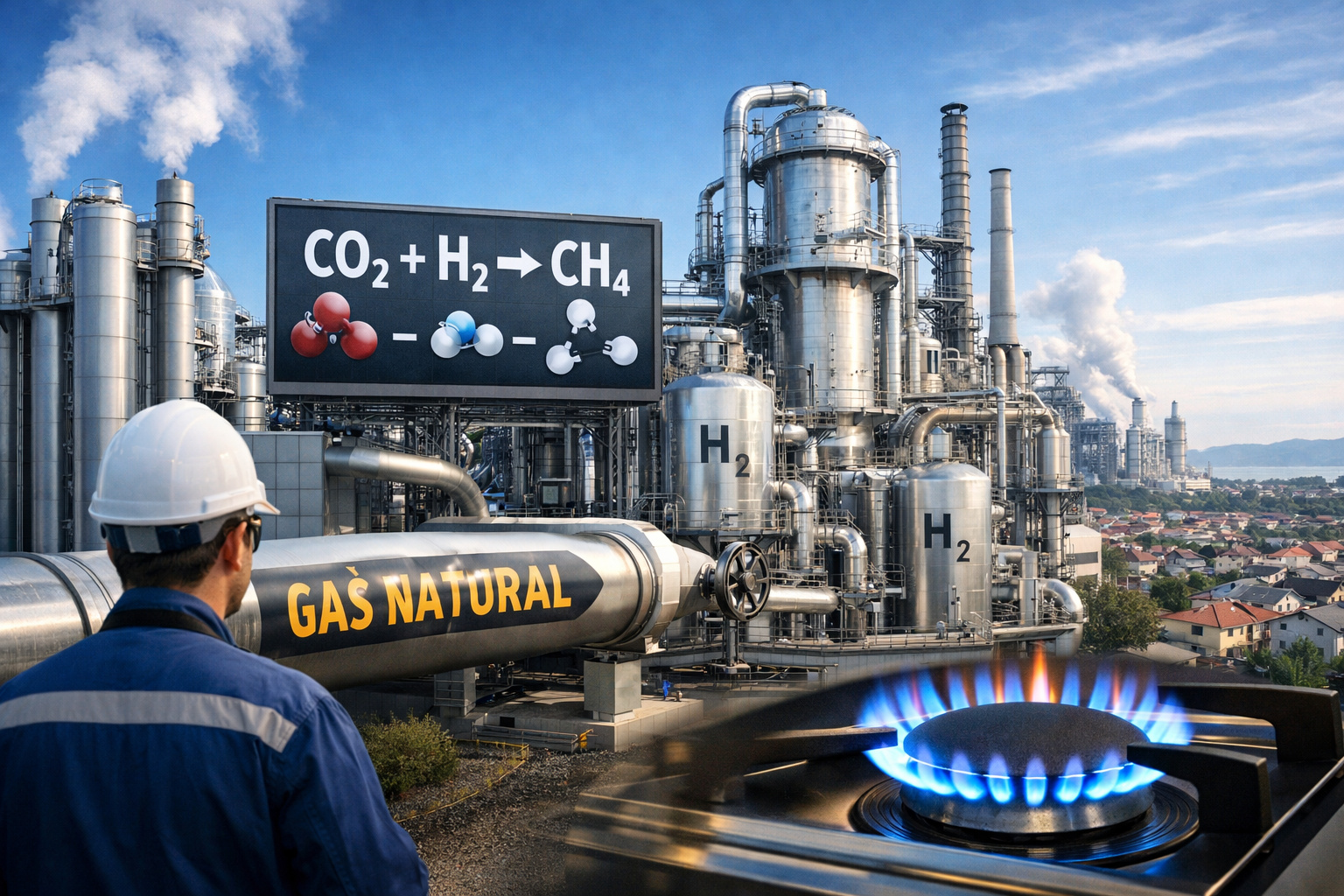


Inpex Corporation and Osaka Gas Have Launched a Plant That Takes Carbon Dioxide Generated by Industry, Transforms This Material Into a Gas Similar to Natural Gas, and Sends It Directly to the Network That Supplies Houses in Japan.
What was considered merely industrial emissions now supplies stoves and heaters in Japan. Two giants in the energy sector, Inpex Corporation and Osaka Gas, have launched a mega-installation that captures CO₂ and converts it into synthetic methane, compatible with the existing natural gas network.
And it didn’t stay just in the lab. On February 20, the produced fuel was successfully injected into a pipeline that supplies homes.


The Billion-Dollar Challenge Behind the Global Pressure for Decarbonization and Japan’s Bet on Repurposing Industrial Carbon
The oil and gas industry faces increasing pressure to reduce emissions without dismantling the entire infrastructure built over decades.
-
Electrolux Unveils New Stove with Integrated Airfryer, PerfectCook360, VaporBake, Grill, Glass Top, and Oil-Free Large Portion Cooking

-
Brazil Approves Non-Hormonal Drug to Alleviate Menopausal Hot Flashes, Potentially Transforming Treatment
-
Giant Phantom Halo Appears Around Remote Pacific Islands, NASA Reveals It’s Created by Tiny Marine Organisms

-
Scientists Develop Method to Store Wind and Solar Energy by Liquefying Air for On-Demand Power Generation




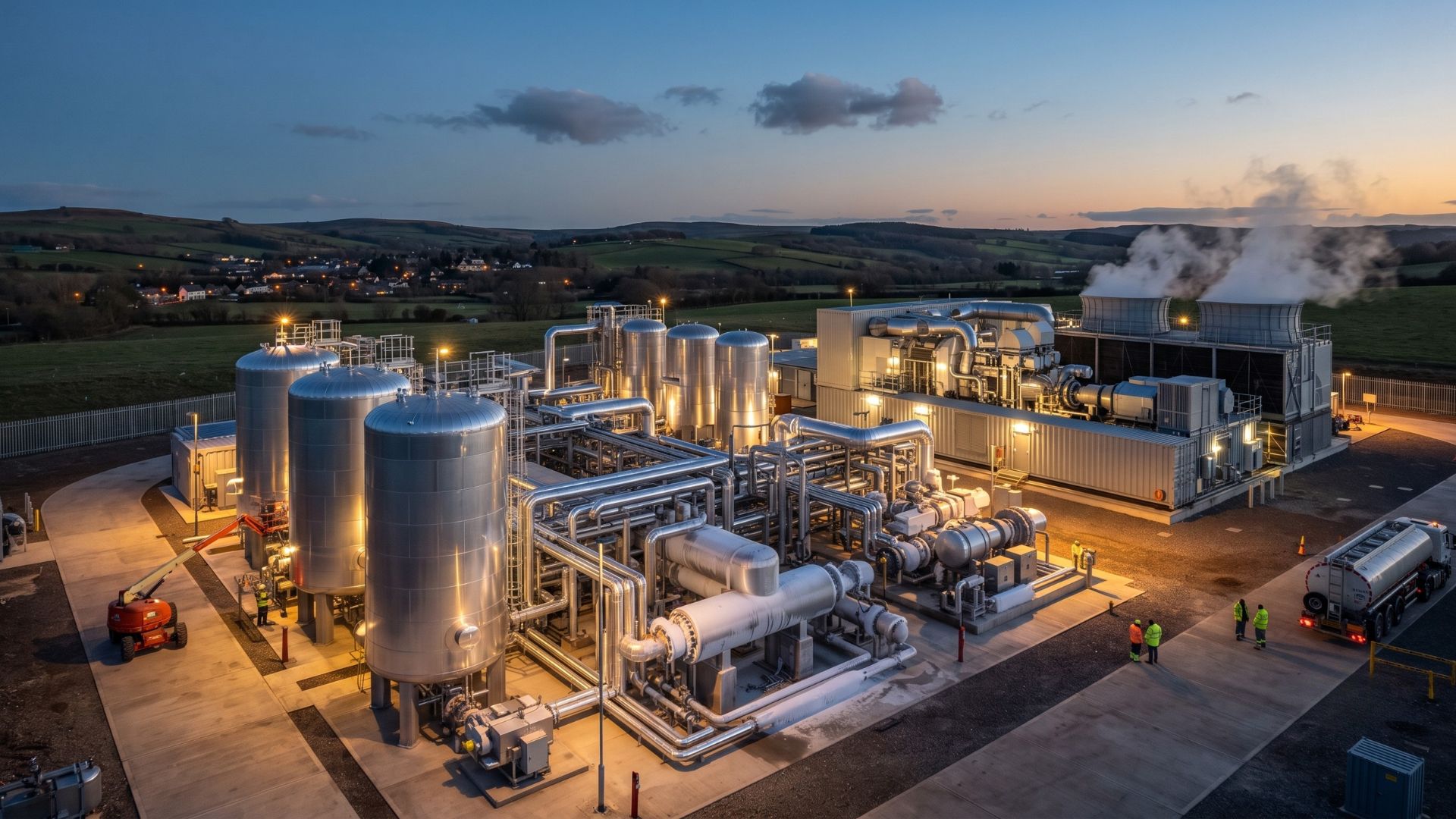
Pipelines, urban networks, and distribution systems represent gigantic investments. Replacing everything would require figures that could reach billion-dollar levels, according to experts.
It was at this point that Japan decided to test another path: repurposing the carbon already emitted. Instead of extracting more fossil gas, the proposal is to capture industrial carbon dioxide and reintegrate it into the energy cycle.
The mega-installation utilizes CO₂ from an industrial unit of Inpex itself, in Niigata Prefecture. What used to go into the atmosphere is now raw material.
The Engineering Secret Behind Methanation That Allows the Transformation of CO₂ Into Methane Compatible With the Current Network
The heart of the project lies in the so-called methanation, a chemical reaction that combines CO₂ with hydrogen within specific equipment.
The Japanese mega-installation processes about 400 Nm³ of CO₂ per hour. From this controlled reaction, it generates synthetic methane with 96 percent purity.
This technical detail changes the game. The produced gas exhibits characteristics similar to conventional natural gas. This allows for its direct injection into the existing network, without the need to create a new distribution grid.
In practical terms, the structure has the potential to supply approximately 10,000 homes per year. To visualize the scale, this is enough energy to power a small town.

The Silent Dispute in the Natural Gas Market and the Strategic Movement That Could Pressure Fossil Producers
The advancement of methanation adds a new element to the gas market equation.
On one side, traditional producers depend on the extraction of fossil fuels. On the other, a technology emerges that repurposes industrial carbon and reduces the need to expand exploration.
If the model gains commercial scale, part of the demand for gas could be met by synthetic methane. This could alter contracts, investment strategies, and even geopolitical decisions related to energy.
Japan signals that it intends to accelerate the use of this type of fuel in cities. Certification within the Japanese system of clean gas also opens the door for companies to use environmental credits linked to emission reductions.
What Is Being Tested Now and Why the Coming Months Will Be Decisive for the Energy Industry
Despite the milestone achieved, the mega-installation is still in the testing and demonstration phase.
Engineers closely monitor factors such as operational safety, productive efficiency, environmental impact, and technology cost. There is no official number disclosed about the total investment of the installation.
If the results confirm technical and economic viability, methanation could become a strategic piece in Japan’s pursuit of carbon neutrality in the coming decades.
And the domino effect could cross borders. Countries with strong gas infrastructure are watching the experiment closely.
The idea of transforming industrial emissions into usable fuel goes from theory to practice. This, in itself, already alters the global energy debate.
At the moment when the world discusses energy transition, a Japanese mega-installation shows that piped gas may have a new chapter written from the carbon that was previously discarded.
Do you believe that technologies like this can reduce the dependence on traditional fossil fuels, or is it still early to bet on this change? Leave your opinion in the comments.