Portuguese
  Spanish


Those who drive a Jeep Compass know that fuel economy is one of the major attractions of the model, but they may have also encountered situations where the car starts to consume more than it should. The increase in consumption can be related to several factors, and one of them is the EGR system, responsible for recirculating part of the exhaust gases. But does cleaning this part really resolve the issue? Let’s dive into this topic and understand when it’s worth performing maintenance.
Jeep Compass and Fuel Consumption: When Spending Goes Out of Control
The Jeep Compass, especially in the 2.0 turbodiesel versions, usually delivers interesting average consumption for a mid-size SUV. However, over time and with the accumulation of dirt, the engine may start to show symptoms such as loss of power, dark smoke in the exhaust, and, of course, increased fuel consumption.
This behavior is generally not immediate but occurs gradually. Many drivers only notice when the spending at the gas station is clearly above normal. In this scenario, one of the main causes may be clogging or malfunction of the EGR valve.
-
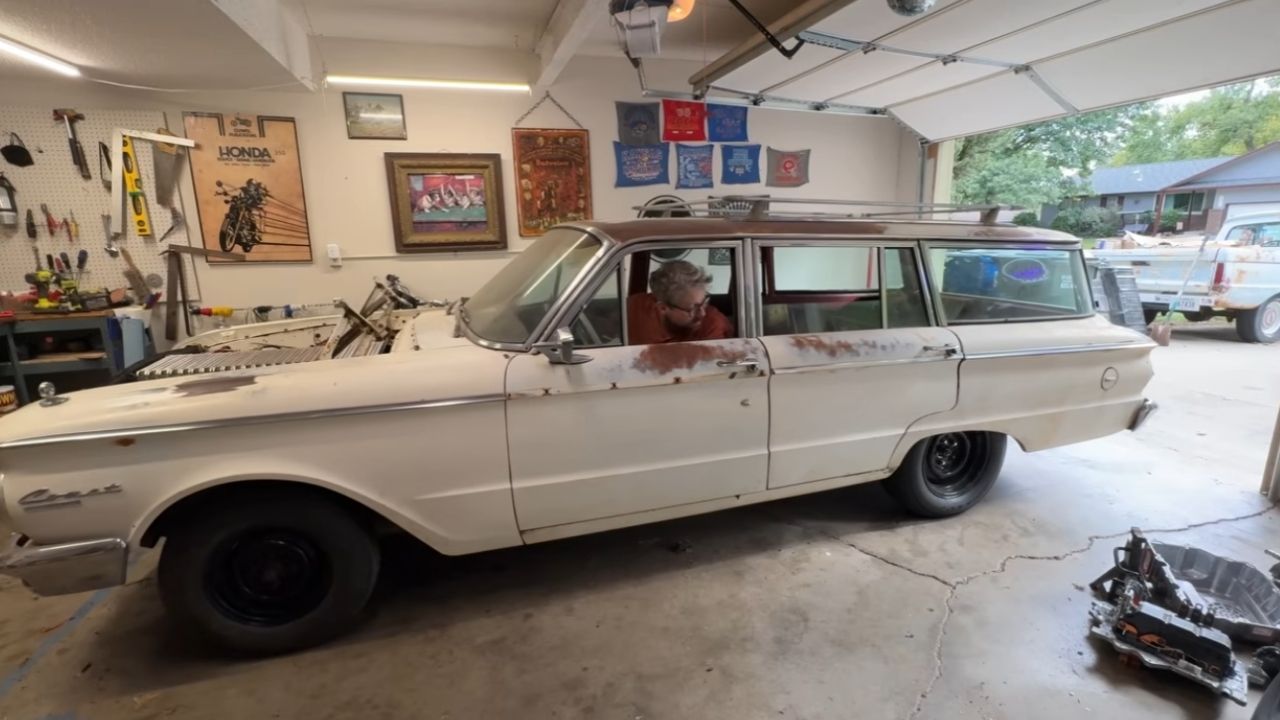
Man Revives 1962 Mercury Comet with Parts from a Damaged Nissan Leaf, Achieving Electric Conversion for Under $6,000

-
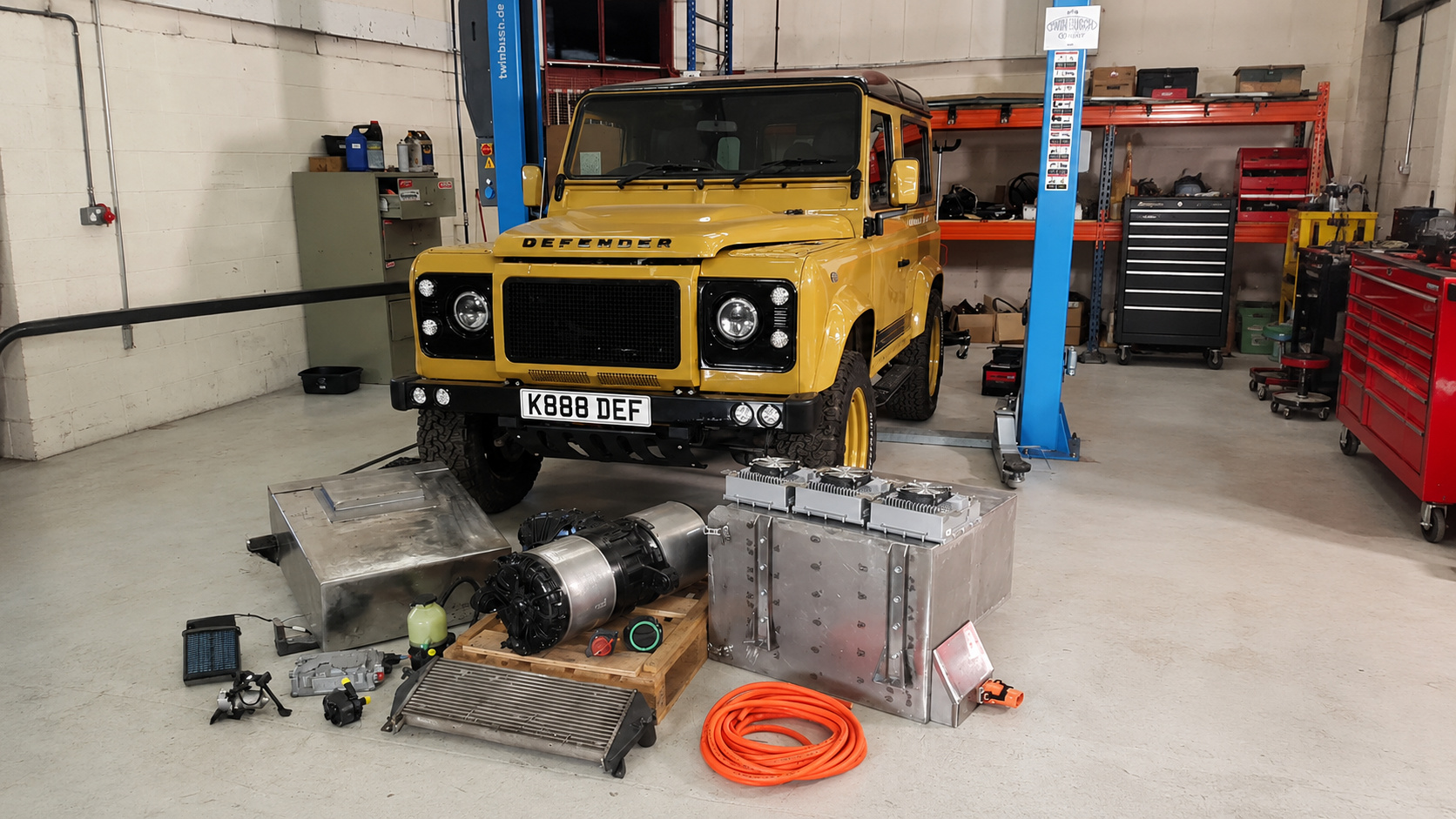
British Mechanics Convert Classic Land Rover Defender to Electric, Maintaining Original Look with 483 Horsepower and 75 kWh Battery

-
Chevrolet Onix Turbo AT 2020: Affordable Used Hatchback with Turbo Engine, Automatic Transmission, and Six Airbags
-
Rolls-Royce Turns Heads with 30-Inch Floating Wheels, 6.6-Liter V12 Engine, and 563 Horsepower


The Role of the EGR System
The EGR (Exhaust Gas Recirculation) system functions to reduce nitrogen oxide (NOx) emissions by recirculating part of the burned gases back into the intake. This helps the engine operate at lower temperatures and contributes to meeting environmental regulations.
The problem is that this recirculation carries soot and combustion residues, which accumulate over time and eventually dirty the valve and intake manifold. The result is compromised airflow, which directly affects the combustion efficiency and increases consumption of the Jeep Compass.
Symptoms of a Dirty EGR on the Jeep Compass
Recognizing the signs is essential to avoid wasting time and money on incorrect diagnoses. The most common symptoms include:
- Loss of power during acceleration.
- Consumption above the previously recorded average.
- Irregular idle or stalling.
- Emission of dark smoke from the exhaust.
- Check engine light on the dashboard.
If your Jeep Compass displays two or more of these signs, it’s likely that the EGR valve needs cleaning.
When Cleaning the EGR Resolves
The good news is that, in most cases, proper cleaning of the EGR brings noticeable results. The procedure involves removing the part, applying decarbonizing products, and, in more severe cases, even replacing the valve.
Many drivers report that after maintenance, the car returns to delivering consumption averages similar to those from the factory. However, it’s important to emphasize that the EGR is not the only villain: dirty filters, faulty fuel injectors, or even underinflated tires can also increase diesel consumption.
Preventive Maintenance and Ideal Intervals
Mechanical experts recommend inspecting the EGR system every 40,000 to 50,000 km, especially in vehicles that frequently operate in cities, where soot accumulates more quickly. On highways, wear tends to be lower, but not nonexistent.
Performing preventive maintenance helps avoid problems reaching critical levels, where merely cleaning is no longer sufficient, necessitating valve replacement — which can be costly.
Is It Worth Disabling the EGR System?
This is a recurring doubt among Jeep Compass owners. While some choose to “disable” the EGR, it’s important to understand that this practice, besides being illegal, can compromise engine performance in the long term. The valve is part of the engine’s operational design, and its removal can cause sensor failures and even problems with the catalytic converter.
The most recommended action is to keep the part in good condition, ensuring both the car’s performance and compliance with environmental regulations.
Cost of Cleaning and Immediate Benefits
In specialized workshops, the cost of cleaning the EGR can range from R$ 400 to R$ 800, depending on the region and the level of dirt accumulation. Although this may seem high, the cost is usually recovered quickly with the fuel savings that the vehicle returns to providing.
In addition to the savings, there are also improvements in drivability, as the engine responds better during acceleration and deceleration. Many drivers report that the car feels “light” again after maintenance.
Other Practices to Reduce Consumption
Even after cleaning the EGR, the owner of a Jeep Compass can adopt some habits that help maintain consumption at ideal levels:
- Use quality diesel, avoiding contaminated fuels.
- Keep the air filter clean at all times.
- Review fuel injectors periodically.
- Check tire pressure weekly.
- Avoid driving at excessively high RPMs unnecessarily.
These measures, combined with proper maintenance of the EGR system, ensure greater longevity for the engine and fewer stops at the gas station.

Owning a Jeep Compass is about enjoying strength, comfort, and relatively low fuel consumption for an SUV of its size. However, like any modern vehicle, it requires attention to technical details that make a difference in daily use. Cleaning the EGR is not a “luxury,” but a necessity that directly impacts both your wallet and driving experience.
Knowing how to identify symptoms, acting at the right time, and maintaining more conscious driving habits can transform the relationship between driver and vehicle, keeping the Compass efficient and ready to tackle both urban traffic and long journeys.