Portuguese
  Spanish


Solfácil survey shows that solar projects with batteries grew more than 400% in Brazil, while credit, lower costs, and hybrid systems expand access to photovoltaic technology in the Northeast
Solar energy projects with batteries advanced more than 400% in two years in Brazil, while hybrid systems grew 250%, amid the search for autonomy, reliability, and higher value-added solutions.
Demand accelerates in the photovoltaic market
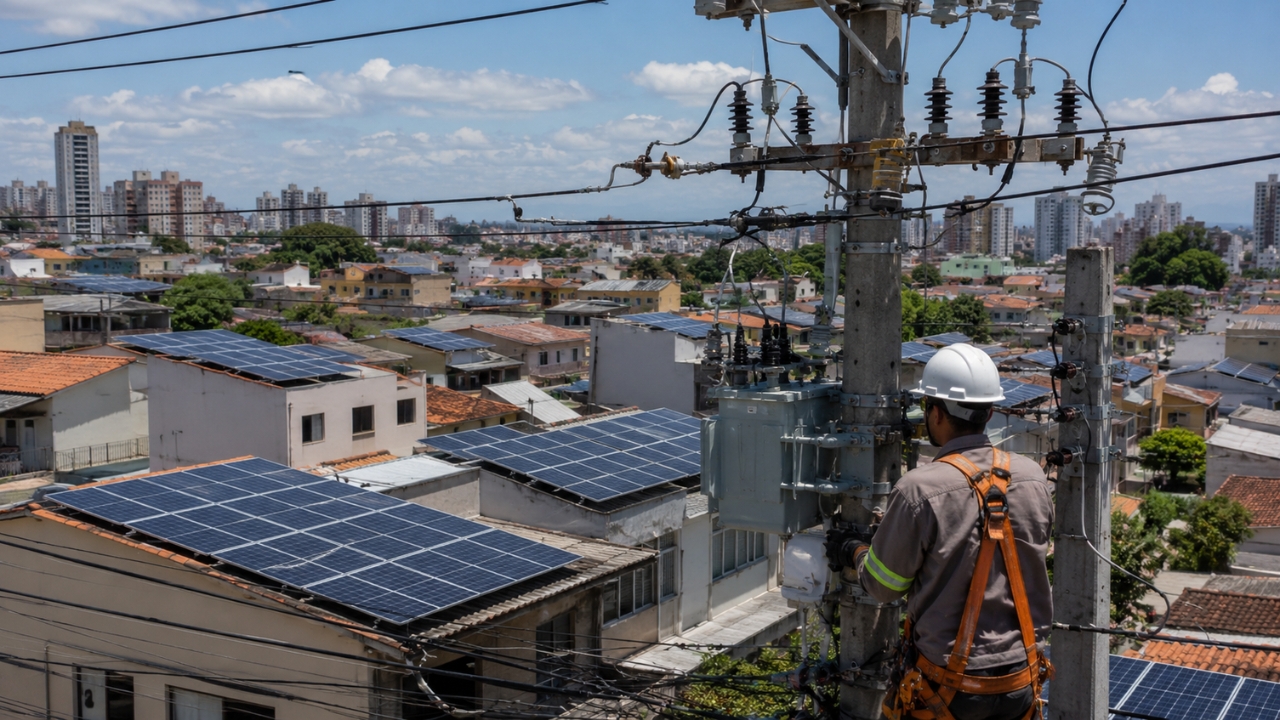
The photovoltaic market is experiencing a phase of change, with storage gaining ground. The expansion appears in projects that combine solar generation, batteries, and hybrid systems.
The study by Solfácil, presented this Monday (27), during the Solfácil Summit, used information from the company’s database. The event took place in Fortaleza (CE) and brought together integrators and specialists.
-
World’s Largest Engie Solar Plant in Brazil Highlights Billion-Dollar Energy Waste Issue: Company Considers Batteries and Bitcoin Mining to Avoid Wasting Production

-
Over 60 Tractors Take to the Streets in Lopera as Solar Parks Compete with Olive Groves, Affecting 13,000 to 100,000 Trees According to Conflicting Reports

-
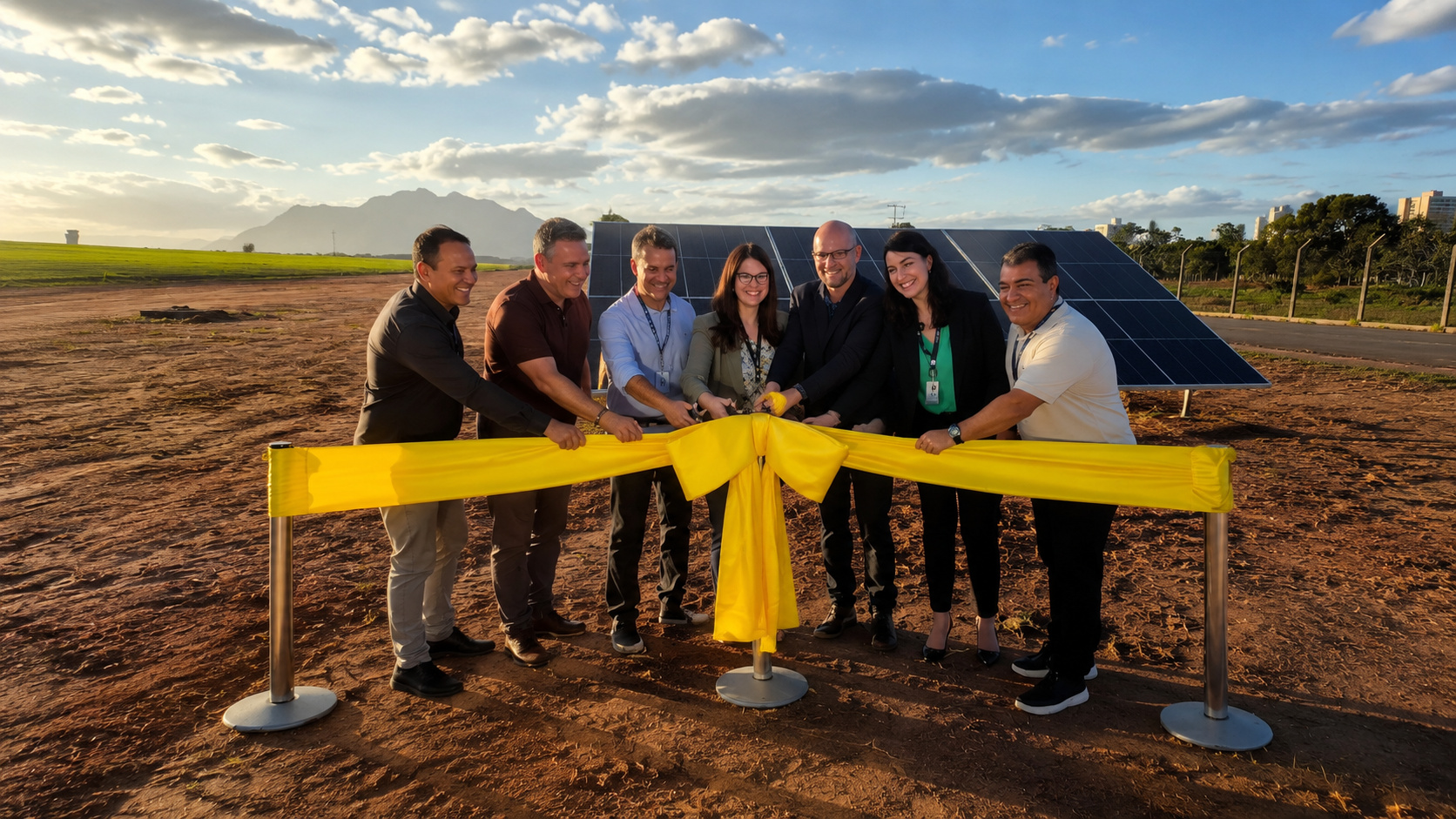
Brazil’s Vitória Airport to Launch Solar Plant Covering Area of 10 Soccer Fields, Boosting Clean Energy and Cutting Costs
-
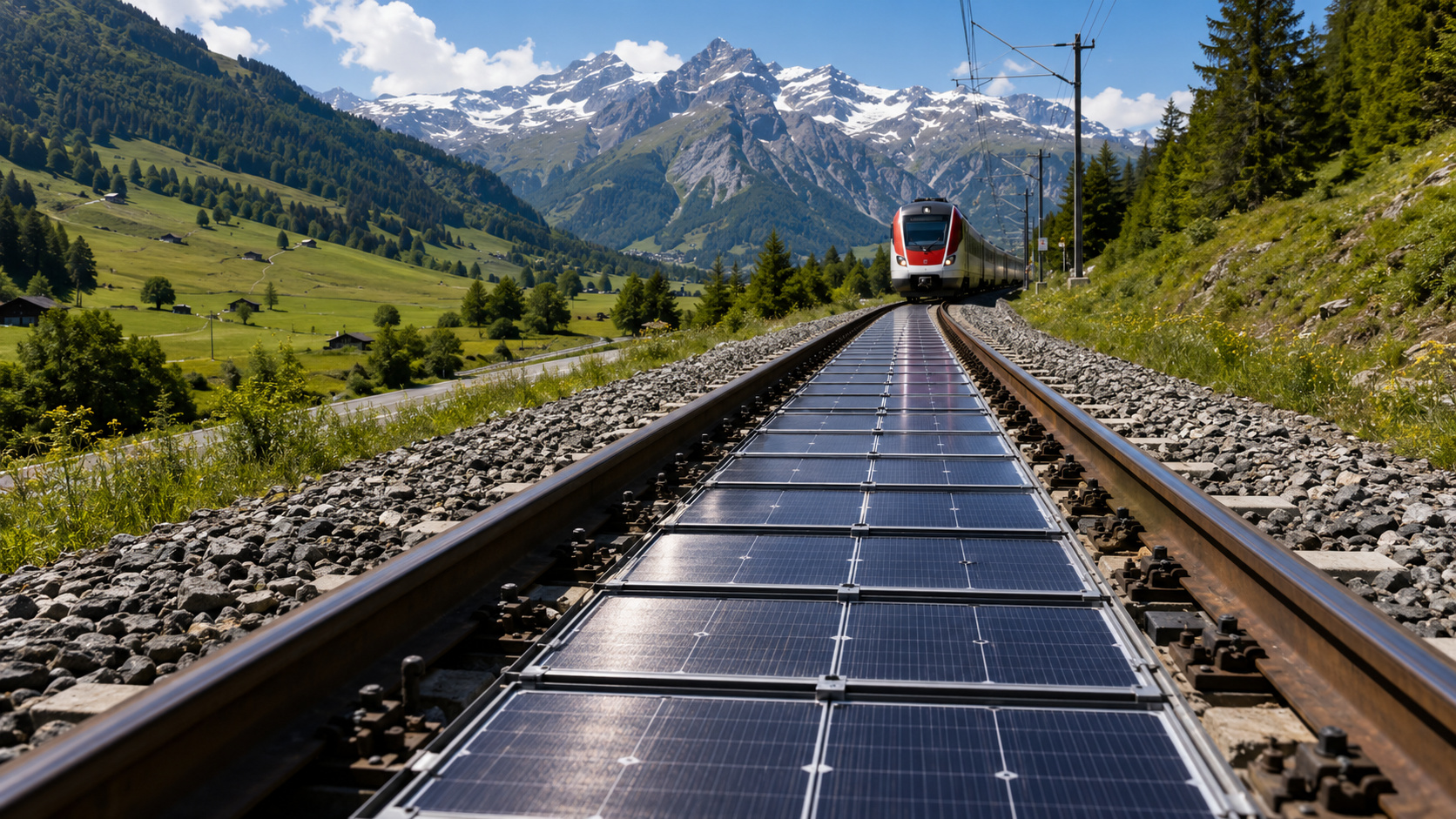
Switzerland Converts Train Tracks into Solar Power Plants with Removable Panels to Generate Energy Without Using Additional Land


The increase of more than 400% in solar energy projects with batteries marks a turning point. In the same two-year interval, the demand for hybrid systems grew 250%.
Consumers seek energy autonomy
The change is not only linked to savings on the electricity bill. Eduardo Neubern, COO of Solfácil, points to a demand more focused on reliability and energy autonomy.
This profile appears in regions with greater instability in the grid. In these locations, batteries and hybrid systems gain relevance by offering more security in energy supply.
The advancement involves professional training. For Neubern, this movement helped to form a more qualified ecosystem, with higher value-added solutions, less price pressure, and more technical focus.
Batteries and hybrid systems are already showing a clear acceleration curve. The executive sees in this movement a relevant potential for expansion in the coming years.
Northeast expands credit and reduces costs
As the study was presented in Fortaleza, Solfácil brought insights from the northeastern market. One of the central points is the growth in access to credit for photovoltaic systems.
Between 2023 and 2025, the number of financed systems in the Northeast increased by 85%. The drop in costs played an important role in this advancement, making the projects more accessible.
In the same period, the average ticket of the projects fell by about 34%. This reduction expanded access to technology and opened space for more consumers to enter the solar market.
States record significant declines
Bahia and Pernambuco had declines of over 35% in the average financed value. Alagoas, Ceará, Paraíba, Maranhão, and Sergipe recorded reductions above 30%.
Even in states with less variation, the drop was significant. In Piauí and Rio Grande do Norte, the reduction in the average financed value exceeded 20%.
Residences still lead solar energy installations
The northeastern market remains concentrated in the residential segment. In 2025, this audience accounted for about 91.9% of the systems installed in the region, showing strong predominance in contracts.
The commercial segment represents just over 8%. This insight indicates room for growth in the coming years, especially with the advancement of solar energy with batteries and hybrid solutions.
The combination of credit, lower costs, training, and the search for autonomy helps explain the pace of expansion. The transformation involves more complete projects, aimed not only at savings but also at energy security.
With information from Canal Solar.