Portuguese
  Spanish


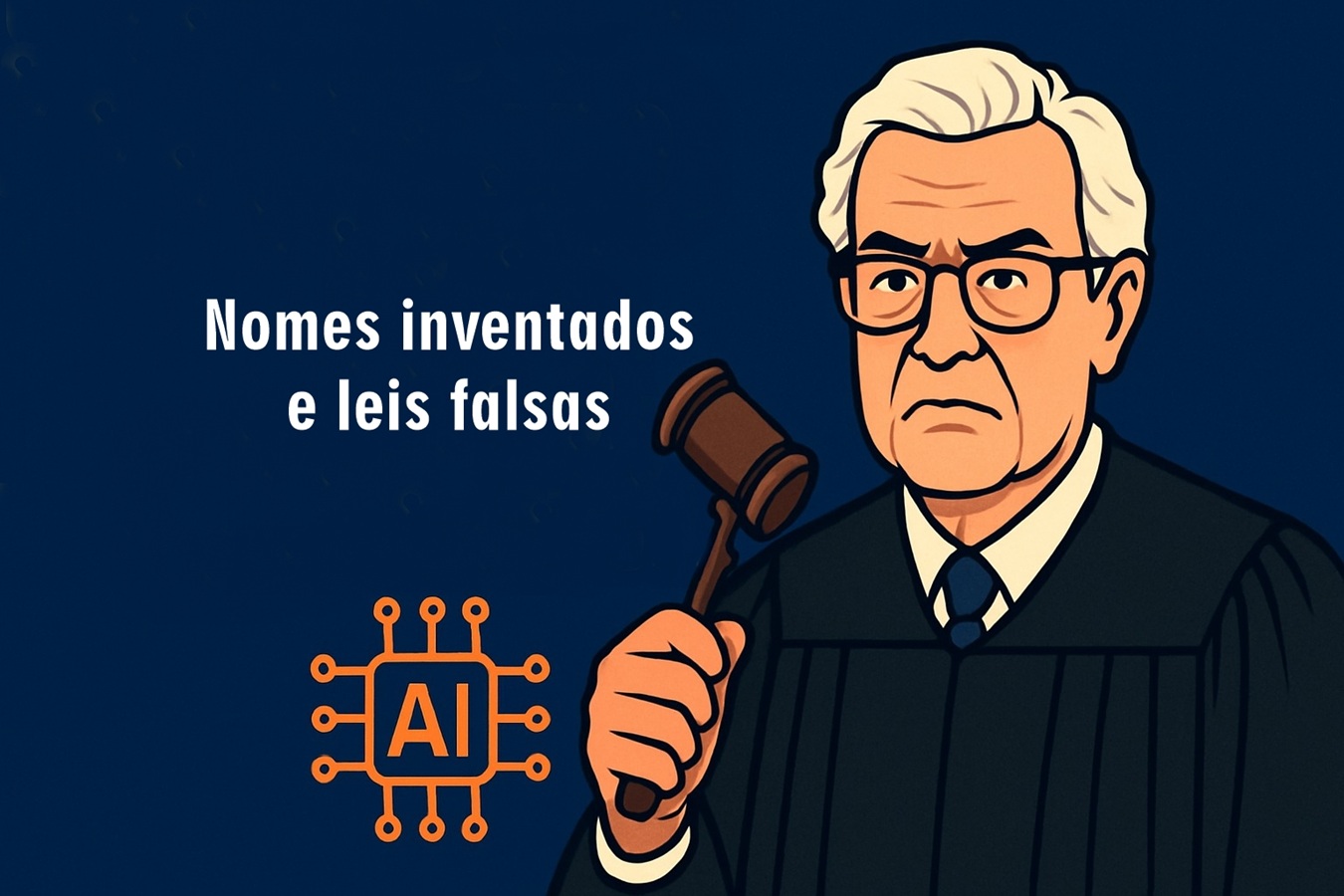

A judicial decision in the United States garnered attention for containing serious errors and references to nonexistent laws and cases. The most important thing is that the text raised suspicions of being written with the help of artificial intelligence, which reignited the debate about the use of this technology in the judicial system.
A recent judicial decision caused perplexity in the state of Mississippi, in the United States. The most important thing is that the document, signed by federal judge Henry Wingate, presents serious factual errors.
Among the problems are names of nonexistent plaintiffs, incorrectly cited state laws, and even references to cases that never happened.
Confusing Order Raises Suspicions
The confusion began earlier this month when Wingate issued a temporary restraining order. Lawyers involved in the case immediately suspected that the text might have been generated by artificial intelligence.
-
How to Prevent Brown Recluse Spider Bites: Common Hiding Spots and Free Tips to Reduce Risks

-
Natto: The Unusual Japanese Superfood Gaining Popularity on Social Media and Driving Record Exports
-
Brazilian Mayor Goes Undercover as Homeless for 24 Hours to Assess Public Services

-
15-Year-Old Entrepreneur Malu Lira Publishes 20 Children’s Books on Financial Education, Earns $500,000, and Expands Her Project to the Amazon Rainforest




The order cited the Mississippi Library Association and Delta Sigma Theta Sorority Inc as parties in the case, despite neither being involved in the lawsuit.
Additionally, the text referenced a case from 1974 that apparently does not exist. Even after corrections, the revised version of the decision maintained this error.
“The haste to issue orders like this harms the judiciary,” said lawyer Eric Wessan on a social media platform.
Lack of Explanations Aggravates Situation
The judge has yet to comment on the case. He neither confirmed nor denied the use of artificial intelligence in drafting the decision.
The silence increases frustration among experts and lawyers. “Our lawyers have never seen anything like this,” reported an employee of the Office of the Attorney General of Mississippi.
Christina Frohock, a professor at the University of Miami School of Law, also expressed surprise. “I feel like I’m in Alice in Wonderland,” she stated.
She said she doesn’t know how to explain the source of so many errors and raised a delicate question: when the error comes from the judge, there are no clear mechanisms to demand explanations.
Debate About AI in the Judiciary Gains Momentum
Previous cases have already shown that lawyers have been punished for using AI to create petitions with false information. However, this is one of the first times a judge is accused of doing the same.
The difference, according to experts, is that there are no clear rules on how to handle this type of situation when the author of the mistake is the judge himself.
Therefore, the episode reignites the debate about the use of artificial intelligence tools in the judicial system.
Meanwhile, the question remains: was the decision really written by an AI? Perhaps we will never know.