






 Portuguese
  Spanish
  4 min of reading
  0 comments


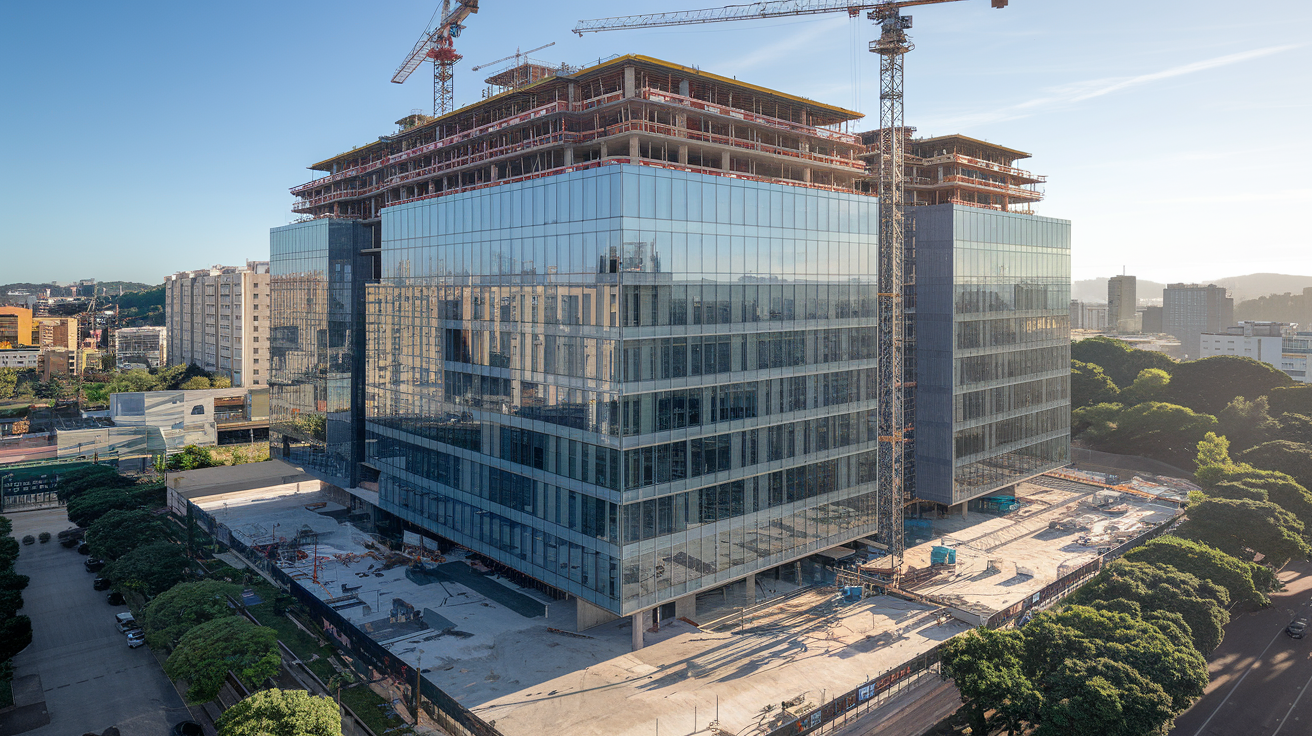
City Will Have New Administrative Headquarters of R$ 170 Million! Court Approves Controversial Project That Promises to Modernize Management but Divides Opinions on Priorities and Fiscal Impact. The Elected Mayor Has Already Criticized the Project and Promises Difficulties for Its Execution. What Do You Think of This Mega Construction? Few Court Decisions Cause as Much Commotion as the Recent Authorization for the Construction of a New Administrative Headquarters in Ribeirão Preto, São Paulo.
The project, estimated at around R$ 170 million, promises to transform local public management but has also reignited debates about fiscal responsibility and administrative priorities.
Despite the approval by the São Paulo Court of Justice (TJ-SP), reported the newspaper A Cidade, controversy surrounding the project remains strong. After all, what is the real impact of this investment on the population?
What Motivated the Construction of the New Headquarters in Ribeirão Preto
The current Administrative Center of Ribeirão Preto has faced structural problems for years.
-
Coal mine purchased for $2 million in Wyoming, the Brook Mine holds rare earth elements and critical minerals estimated at up to $37 billion, in an asset that the US is competing for with China.

-
To halt the advance of the Sahara, the 8,000 km Great Green Wall in the Sahel relies on reforestation to combat desertification, but by 2026 it remains far behind the goal of 100 million hectares.
-
In the year Brazil won the World Cup, gasoline cost R$ 1.77, the cheapest car was worth R$ 13,000, there were no flex-fuel cars, SUVs were rare, and no Chinese brand sold a single vehicle in the country.
-
Long before sustainable construction became a trend, China built earthen fortresses with multiple floors, a central courtyard, and the capacity to house up to 800 people living in a community.


According to the City Hall, the old facilities no longer meet the modern needs of management and accessibility.
To justify the project, technical studies were presented highlighting the deterioration of the current building, the high maintenance costs, and the difficulty in serving the public efficiently.
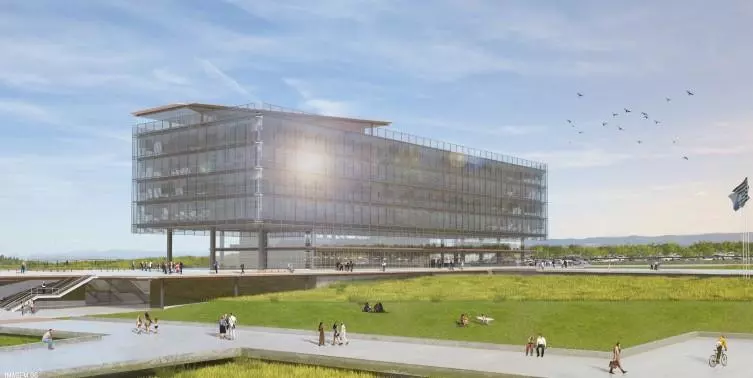
The initial proposal called for a colossal building capable of housing various municipal departments in a single space.
The idea, according to the government, is to reduce operational costs in the long term and optimize service to the public.
However, the numbers involved in the project are shocking: the contract signed with the winning company, H2Obras Construções Ltda, exceeds R$ 170 million.
Judicial Decision and Turnaround
The contract for the work had been suspended in November by a decision from Judge Lucilene Canella de Mello.
The measure responded to a request for an injunction from councilors Duda Hidalgo (PT) and Marcos Papa (Podemos), who questioned the lack of resources provided in the Budget Law for the execution of the work.
The legislators argued that constructing a new Administrative Center amidst the financial challenges faced by the city would be imprudent.
According to them, the investment could compromise other essential sectors, such as health, education, and basic infrastructure.
However, last Monday (18), the appellate judge Rubens Rihl from TJ-SP decided to suspend the injunction that was blocking the contract.
In his decision, the magistrate pointed out that the documents presented by the City Hall prove sufficient financial availability and budgetary forecast for the work.
He highlighted that, for now, the legal requirements to proceed with the project have been met.
Controversy Over Priorities
The judicial decision did not end the controversy. For many residents and opposition politicians, the timing chosen to proceed with such an expensive project is the main issue.
Among the critics is Ricardo Silva, the elected mayor, who expressed his disapproval of the project on social media.
“The current municipal government insists on building a new headquarters at a cost of R$ 200 million, a completely misguided decision. This administration is outgoing, and this project could leave long-term debts, compromising the future of Ribeirão Preto,” Silva stated.
On the other hand, the current government defends that the construction is part of a long-term plan and that the Administrative Center will be a key element in modernizing public management.
Legal Issues and Fiscal Responsibility
According to the City Hall, the initial suspension overlooked the principles of fiscal responsibility.
Managers assert that all procedures adhered strictly to legality, from the bidding to the budgetary forecast.
Furthermore, they argue that public administration needs to be viewed as an organism in constant evolution, making it inevitable to undertake significant investments to meet the growing demands of the population.
The Financial Impact on Ribeirão Preto
Although the City Hall has claimed that costs will be spread over time, experts warn of potential negative impacts on the municipal budget.
The city already faces financial challenges, and the amount allocated to the project could further burden public finances.
On the other hand, supporters of the project argue that centralizing departments in one location will result in savings on rent, transportation, and other indirect costs.
In the long run, this could relieve the budget, but the actual viability of this benefit still raises doubts.
Political Challenges
The clash between the current administration and the elected mayor also reflects a political issue. Ricardo Silva, who will take over the City Hall soon, has already positioned himself against the project, which could hinder its execution in the future.
If the judicial decision is overturned or the next administration decides to suspend the project, Ribeirão Preto may face new costs related to the halting or revising of the contract.
The Question That Remains
With the judicial authorization, the construction of the new headquarters of the Ribeirão Preto City Hall can proceed, but the debate over priorities and impacts remains alive.
Is investing R$ 170 million in an administrative work the best decision for a city facing so many other challenges?




Be the first to react!