Portuguese
  Spanish


For the first time in modern history, global electricity generation from renewable sources surpassed coal-based production. This milestone, highlighted by a recent study, represents a structural shift in the electricity sector and signals a new moment in the global energy transition.
Driven mainly by the accelerated growth of solar energy and, to a lesser extent, wind energy, this advancement not only reduces dependence on fossil fuels but also begins to decouple energy demand growth from carbon emissions.
This movement, therefore, is not a one-off event — it indicates a deep transformation in the way the world produces and consumes energy.
-
Brazil saved US$ 32.4 billion in 2025 by switching from fossil to renewable energy and only ranked behind China and the United States on the IRENA global podium.

-
Fired during apartheid and with a little borrowed money, an electrician started with a borrowed truck and transformed electrical services into a group connected to energy, real estate, and infrastructure in South Africa.

-
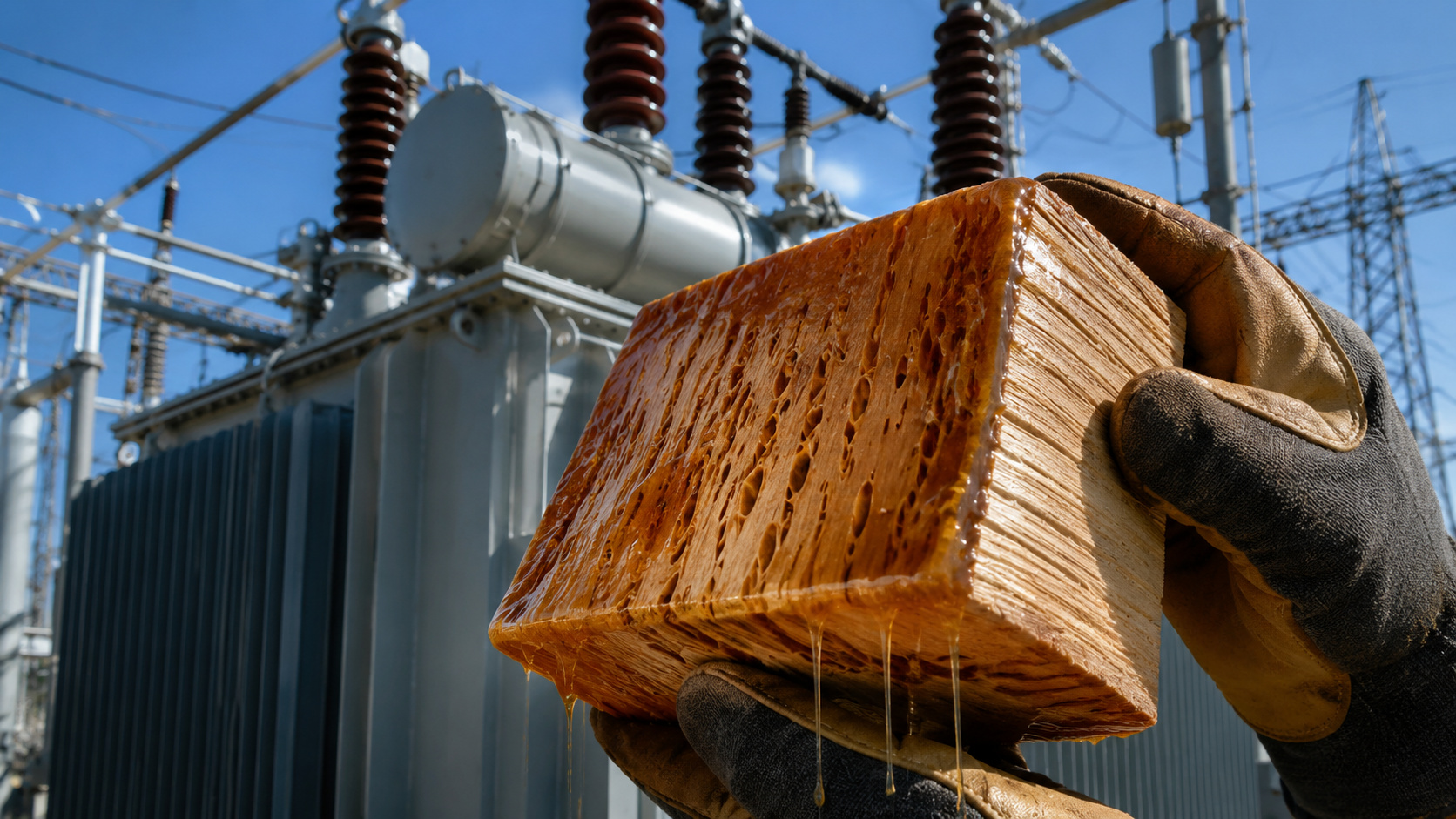
Wood has ceased to be just a construction material in Yale research and has become insulation for electrical transformers that face intense heat, aging, and increasing pressure from the renewable energy-powered grid.
-
More than 1,000 residents of a remote island in Kiribati now have clean water and electricity with solar systems operated by the community itself.



Renewables surpass coal after more than a century
Coal was, for over 100 years, the main source of electricity generation in the world. Since the Industrial Revolution, it has supported the economic growth of various countries, despite its high environmental impact.
However, this scenario is beginning to change consistently. By 2025, renewable energies — including solar, wind, and hydroelectric — accounted for about 33.8% of global electricity generation, surpassing coal, which stood at around 33%.
This result marks a historic turning point. More than that, it indicates that the world is leaving behind a fossil fuel-based model and moving towards a cleaner and more sustainable energy matrix.
Solar energy leads global growth
Among all renewable sources, solar energy stands out as the main driver of this transformation.
In recent years, solar generation has grown rapidly, driven by factors such as:
- significant cost reduction
- technological advancements
- public incentive policies
- increased demand for clean energy
By 2025, solar energy accounted for a large part of the increase in global electricity generation, establishing itself as the fastest-growing source in the world.
Moreover, its scalability allows it to be installed in both large plants and distributed systems, further amplifying its impact.
Wind energy complements renewable expansion
While solar leads the growth, wind energy also plays a fundamental role in the expansion of renewables.
Its large-scale generation capacity, especially in regions with consistent winds, helps balance the electrical system and reduce dependence on fossil sources.
Additionally, the combination of solar and wind creates a more efficient system, as these sources complement each other throughout the day and across seasons.
This hybrid model has been increasingly adopted in various countries, reinforcing stability and energy security.
Decline of coal reflects structural change
The reduction in coal’s share did not occur in isolation. On the contrary, it is the result of a consistent trend over the last decade.
Since 2015, coal’s share in global generation has gradually declined, while renewables have grown continuously.
This movement reflects various factors, such as:
- international pressure to reduce emissions
- more stringent environmental policies
- growing competitiveness of renewable energies
- advancements in energy efficiency
Thus, coal is no longer the foundation of the global electrical system and is taking on an increasingly secondary role.
Energy demand grows without increasing emissions at the same rate
One of the most relevant points of this new scenario is the decoupling between energy demand growth and carbon emissions.
Historically, the increase in energy consumption was directly linked to rising emissions, as most electricity came from fossil sources.
However, with the advancement of renewables, this relationship is beginning to change.
Today, it is possible to expand energy generation without necessarily increasing emissions at the same rate, which represents a significant advance in the fight against climate change.
Impacts go beyond the environment
Although the main benefit of renewable energy is the reduction of greenhouse gas emissions, its impacts go far beyond the environment.
Among the main positive effects are:
- greater energy security
- reduction of dependence on imported fuels
- decreased exposure to geopolitical crises
- job creation in technology sectors
- stimulus to innovation
Moreover, countries that invest in renewables tend to become more resilient to external shocks, such as wars or fluctuations in oil prices.


Challenges still limit faster progress
Despite significant progress, the energy transition still faces important challenges.
Among the main obstacles are:
- intermittency of renewable sources
- need for energy storage
- modernization of electrical grids
- high investments in infrastructure
- regulatory issues
For example, solar energy depends on sunlight, while wind energy depends on wind. Therefore, solutions like batteries and hybrid systems are essential to ensure stability in supply.
The role of technology in advancing renewables
Technological evolution has been one of the main factors enabling this transformation.
In recent years, there have been significant advances in areas such as:
- energy storage
- digitalization of the electrical system
- artificial intelligence applied to energy management
- integration of different sources
These innovations not only increase efficiency but also reduce costs and expand the scale of renewable energies.
China and India drive global transformation
Emerging countries play a fundamental role in this scenario, especially China and India.
China, for example, has been leading investments in solar and wind energy while gradually reducing its dependence on coal.
India is also making progress in diversifying its energy matrix, increasing the share of clean sources.
These movements show that the energy transition is not restricted to developed countries but has become a global trend.

What to expect in the coming years
Projections indicate that the share of renewable energies will continue to grow in the coming years.
Among the main trends are:
- accelerated expansion of solar energy
- growth of offshore wind
- increase in storage capacity
- electrification of sectors such as transportation and industry
Additionally, coal is expected to continue losing ground as new technologies become more accessible and competitive.
What’s at stake
The fact that renewable energies have surpassed coal represents much more than a statistical change.
In practice, it is a structural transformation in the global energy system — a change that redefines economic, environmental, and geopolitical priorities.
On the one hand, it paves the way for a more sustainable economy less dependent on fossil fuels. On the other hand, new challenges related to infrastructure, technology, and governance emerge.
Thus, the world enters a new phase: an era in which economic growth can, finally, go hand in hand with the reduction of environmental impacts.