






 Portuguese
  Spanish
  3 min of reading
  0 comments


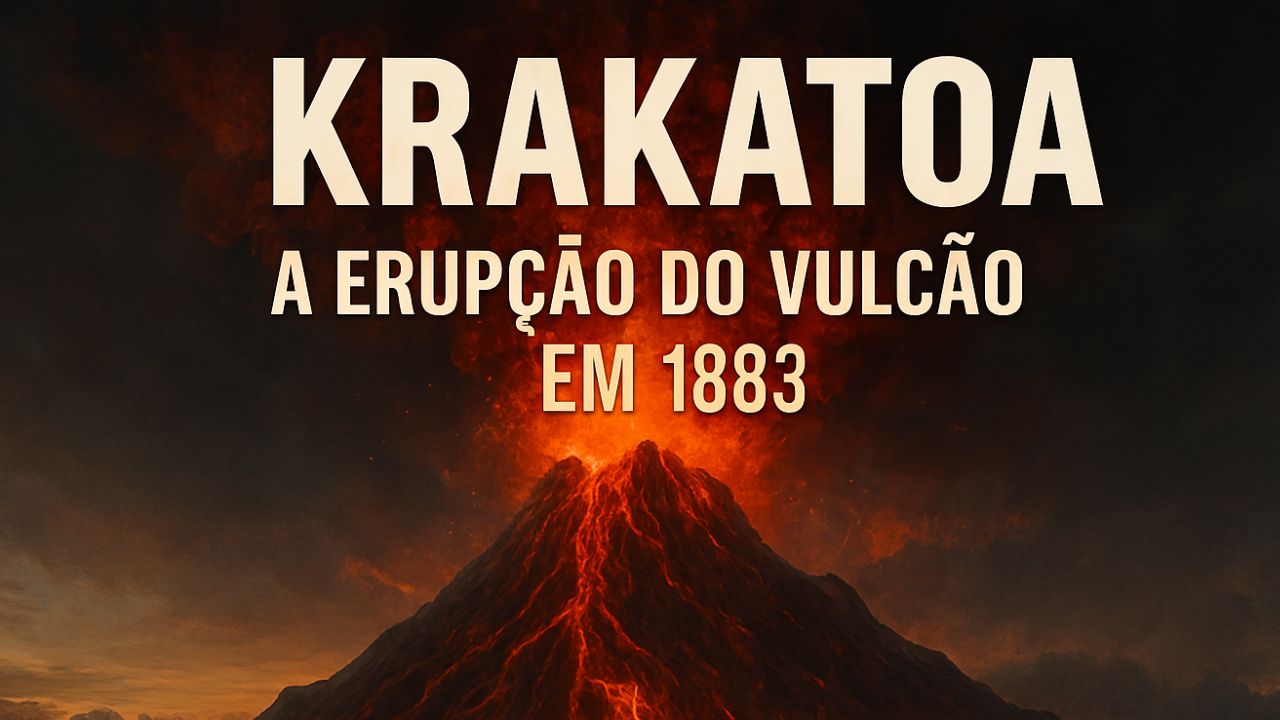
Discover How the Eruption of the Krakatoa Volcano in 1883 Devastated Villages, Killed Thousands, and Transformed the Sky into a Spectacle of Frightening Colors. One of the Most Impactful Events in History.
The Krakatoa volcano, located in the Sunda Strait, between the islands of Java and Sumatra in Indonesia, erupted on August 27, 1883, causing one of the most devastating natural disasters in history.
The event, which killed around 36,000 people and destroyed 165 villages, was the result of a series of explosions with an estimated force of 200 megatons — four times more powerful than the largest nuclear bomb ever detonated.
The eruption was so intense that the sound of the explosion reached 310 decibels, rupturing the eardrums of sailors over 64 kilometers away.
-
Survivor of 1966 SS Daniel J. Morrell Shipwreck in Lake Huron Recounts 38-Hour Ordeal in Extreme Cold

-
The Greatest Hoax in World Cup History? The Film That Denied Brazil’s 1958 Victory and Exposed How Fake Evidence Can Seem Convincing on TV
-
Fake South Korean Online Stores Offer Shopping Thrill Without Spending Money or Receiving Products
-
The War of Jenkins’ Ear: How a Severed Ear Sparked One of the 18th Century’s Most Unusual Conflicts


But the impacts were not limited to physical destruction: the Krakatoa volcano also altered global climate and transformed the sky into a spectacle of surreal colors, frightening populations around the world.
Krakatoa: Location and Destructive Power of the Volcano
Situated between two of Indonesia’s largest islands, Krakatoa was already known for its volcanic activity.
In May 1883, warning signs began to emerge, with tremors and small explosions. However, it was at the end of August that the volcano showed its true strength.
The comparison with the Tsar Bomba — the largest nuclear bomb ever tested — helps to gauge the impact: while the Soviet bomb generated about 50 megatons, Krakatoa released 200 megatons.
The result was a series of tsunamis that swept away entire villages, leaving a trail of destruction and death.
How the Eruption of Krakatoa Altered the Atmosphere?
In addition to land destruction, the eruption of Krakatoa had visible effects on the sky.
The amount of ash and gases released into the atmosphere blocked sunlight, reducing global temperatures by about 0.6ºC in the following months. This phenomenon is known as “volcanic winter.”
The particles of volcanic sulfate aerosols dispersed sunlight unusually, creating red hues during the day, greens at sunset, and even a blue moon.
The effect was so impressive that newspapers like The New York Times reported the phenomenon with astonishment:
“Shortly after 5 o’clock, the western horizon suddenly flamed in a bright scarlet… The clouds gradually deepened to a blood-red tone, and a bloody glow took over the sea.” — The New York Times, November 1883.
Art and Melancholy: The Cultural Impact of the Eruption of Krakatoa
The eruption of the Krakatoa volcano not only influenced climate and geography but also left marks on culture.
The Norwegian painter Edvard Munch, famous for his work “The Scream,” described an experience that many believe is related to the event:
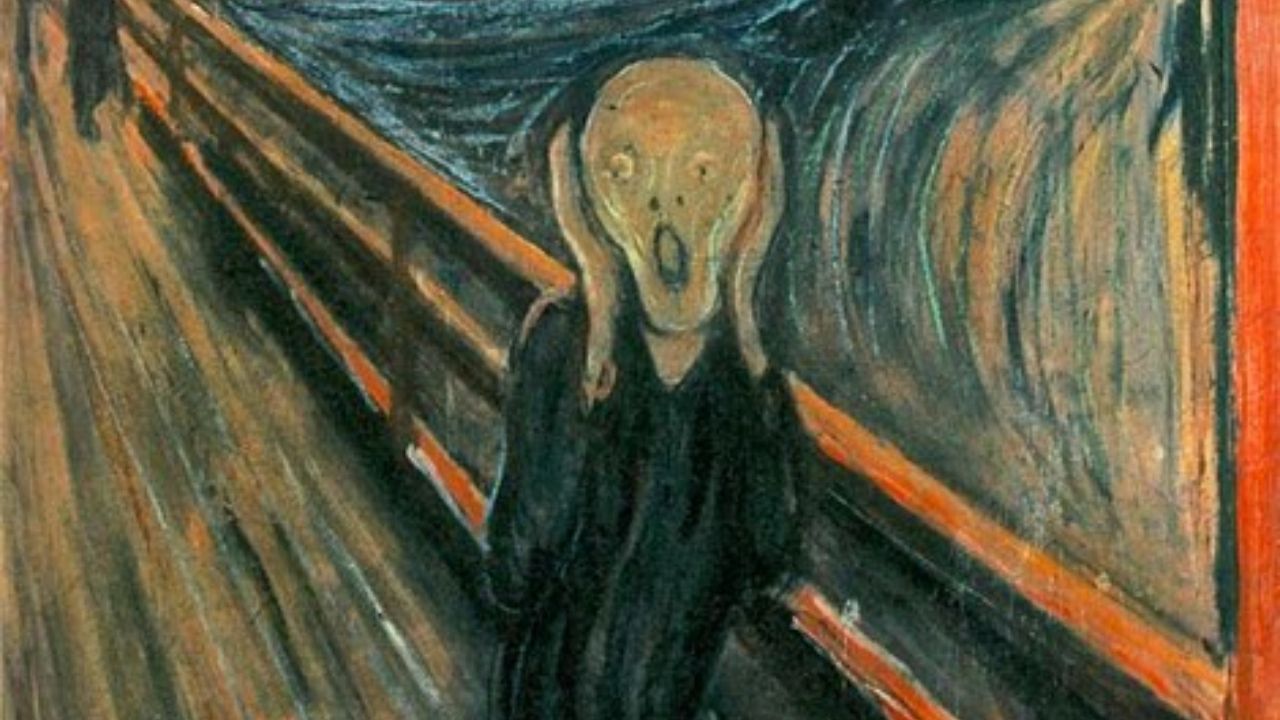
“Suddenly, the sky turned blood-red… clouds like blood and tongues of fire hovered over the dark blue fjord and the city.” — Edvard Munch
This description, filled with emotion and anguish, is often associated with the inspiration for his most iconic painting, which represents a silent scream in the face of a collapsing world.
The Legacy of Krakatoa: Tsunamis and the Rebirth of the Volcano
More than a century later, in 2018, the “Son of Krakatoa,” known as Anak Krakatoa, erupted again.
The collapse of part of the volcano generated a tsunami that killed more than 400 people on the same islands of Java and Sumatra.
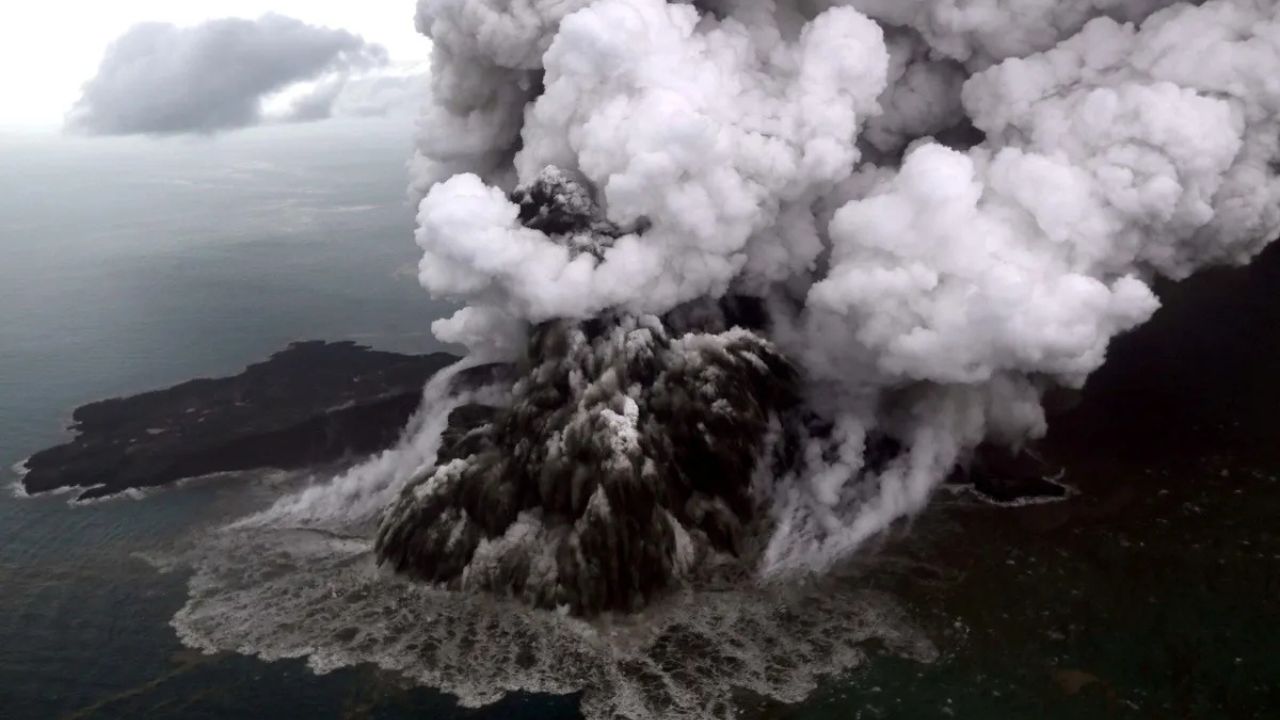
Researchers from Brunel University London and the University of Tokyo suggest that the initial wave may have reached heights of between 100 and 150 meters — far beyond the 10 meters officially recorded.
This episode reinforces the destructive power that still resides beneath Krakatoa and the need for constant monitoring.
Why Does Krakatoa Still Matter?
The Krakatoa volcano is a powerful reminder of the force of nature and how geological events can have global repercussions.
In addition to human and material losses, the eruption of 1883 altered the climate, influenced art, and left deep marks on collective memory.
Studying Krakatoa is essential to understand the risks of future eruptions and the effects they can have on the planet.





Be the first to react!