






 Portuguese
  Spanish


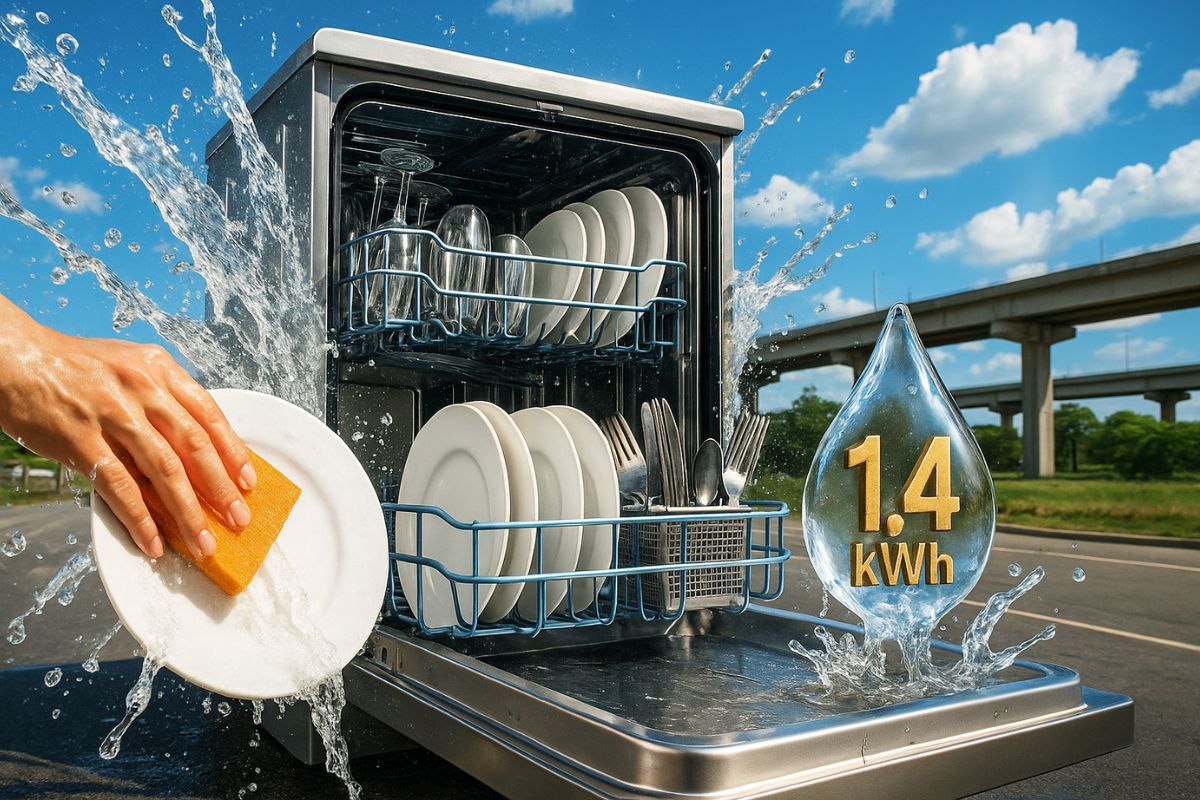

With The Dishwasher, It Is Possible To Reduce Water Compared To Manual Washing Which Can Reach 50 Liters Per Cycle, Keeping Electricity Use Low.
The Dishwasher consumes 8 to 15 liters per cycle, while manual washing can reach 50 liters for the same volume of utensils. In electric use, efficient models operate with up to 1.4 kWh per cycle, making the appliance a real ally for those seeking savings and practicality. In direct comparison, the potential water savings can range from 35 to 42 liters per cycle, depending on the program chosen.
According to Mayara Souza from TechTudo, the discussion about space, efficiency, and cost needs to move from the realm of myth into the realm of data.
When the appliance is used correctly, it delivers consistent cleaning, consumption control, and a more predictable routine, especially in homes with daily accumulated dishes.
-
What is a red flashlight used for, after all? See why it is so commonly used at night.

-
He has never read a line of code, but he already knows how to work: the French company UMA presented in Paris the Northstar, its first AI-powered humanoid robot designed for factories and warehouses, capable of copying tasks just by observing an employee in action.

-
A young Kenyan engineer collects plastic waste from the streets and transforms it into robots that translate physics lessons into sign language in real-time, a machine made with old bottles that teaches what was missing to deaf children left out of science.
-
What is the dark substance found in the sand of Ipanema Beach? Civil Police conduct an examination, collect samples of the material, and initiate an investigation to identify the composition, clarify the origin, and verify if there was an environmental crime.



How Much Does The Dishwasher Spend: Water, Energy, And Products
The Dishwasher operates with 8 to 15 liters per cycle, a number much lower than the 50 liters often used at the sink.
This means a drastic reduction in water consumption per wash, with a direct impact on the water bill and conscious use of the resource. In economical programs, consumption tends to remain in the lower range of the average.
In electric consumption, up to 1.4 kWh per cycle is the level cited by Mayara Souza (TechTudo) for efficient equipment. This value is usually lower than that of prolonged heating appliances, such as electric ovens.
The point of attention lies in the specific inputs: detergent and rinse aid specifically for machines. They have a controlled cost per cycle and should not be replaced with regular detergent, which generates excessive foam and can damage the equipment.
How The Dishwasher Works And Why It Cleans Well
The Dishwasher combines automatic stages: pre-washing, washing with jets of hot water and specific detergent, rinse at high temperature, drying, and final drainage.
The combination of temperature, pressure, and contact time is what ensures the removal of grease and microorganisms.
Current models feature quick programs for light dishes and intensive cycles for greasy pots and pans. There are also delicate modes for glassware, which reduce the force of the jets.
With the correct choice of cycle and good organization of the items in the baskets, efficiency increases and consumption remains within the reported values.
What Can and Cannot Go In The Dishwasher
Not every utensil is compatible. Heat-sensitive items should be left out. Uncoated aluminum pans may stain, cast iron pieces tend to rust, and wooden utensils absorb moisture and warp.
Thin-blade knives lose their edge with friction and hot water, and very thin crystals may crack with temperature variations.
Old pieces with lead solder, hand-painted items, or those with gold finishes also require caution.
The golden rule is to look for the “dishwasher safe” label. If there isn’t one, opt for manual washing to avoid damage.
Capacity In “Services”: For Whom Each Machine Serves
“Services” is the term that indicates the capacity of the Dishwasher. One service is, on average, what one person uses for a meal: plate, glass, cutlery, and a small bowl.
8-service machines are well-suited for couples or small households with daily washing.
For larger families, 12 to 14 services provide extra capacity and prevent running cycles with excess space.
Sizing the capacity to your profile is crucial to avoid losing efficiency: overloaded machines reduce cleaning quality, while nearly empty machines waste potential savings.
Is It Worth Buying A Dishwasher?
The answer depends on the household profile, the space available in the kitchen, the habit of accumulating dishes, and the budget. Mayara Souza (TechTudo) recommends looking at actual use: frequency of meals at home, volume of pots and pans, and discipline in organizing the baskets.
When usage is consistent, the Dishwasher tends to pay for its space and reduce daily effort.
To decide, evaluate: food preparation routine, space for installation, cost of specific inputs, and expected savings in water and time.
If the family cooks every day and the sink is always full, the Dishwasher usually offers better cost-effectiveness. If the household rarely dirties dishes, it may be an appliance for later.
Usage Tips To Maintain Efficiency
Remove large debris before placing utensils inside. Distribute plates, glasses, and pots without blocking the jets.
Choose the cycle appropriate for the dirt level and use specific detergent and rinse aid, respecting the dosage. Clean filters and spray arms periodically to maintain water flow.
Avoid intensive cycles for light dishes and do not mix delicate pieces with heavy pots. Following these simple rules helps keep consumption between 8 to 15 liters and electricity expenditure close to 1.4 kWh.
The Dishwasher is not a luxury, it is efficient management of water, energy, and time. With 8 to 15 liters per cycle and up to 1.4 kWh, it offers consistent and predictable cleaning, as long as used with the correct inputs and with appropriate program and capacity choices.
The numbers help take the subject out of guesswork and guide a more conscious purchase.
In your routine, does the Dishwasher really save water and time or have you noticed little difference? What cycles do you use the most and how has your sink and basket organization changed? Which items do you avoid putting in the machine to preserve the material? Share your experience in the comments and tell if the appliance changed your daily life.


