Portuguese
  Spanish


Discover How the ANEEL Auction Will Expand Solar Energy and Batteries in Isolated Systems, Promoting Efficiency and Sustainability.
The ANEEL auction marks a significant advancement in the Brazilian electricity sector; therefore, mainly for the Isolated Systems (Sisol), regions that are still not connected to the National Interconnected System (SIN) and that rely on diesel and fuel oil thermal plants.
Historically, these areas have faced great challenges in energy supply. Additionally, high costs and environmental impacts arise from the daily transport of fossil fuels by hundreds of trucks.
Moreover, the Isolated Systems in Brazil have always depended almost exclusively on fossil fuels, which generated high logistical and environmental costs.
-
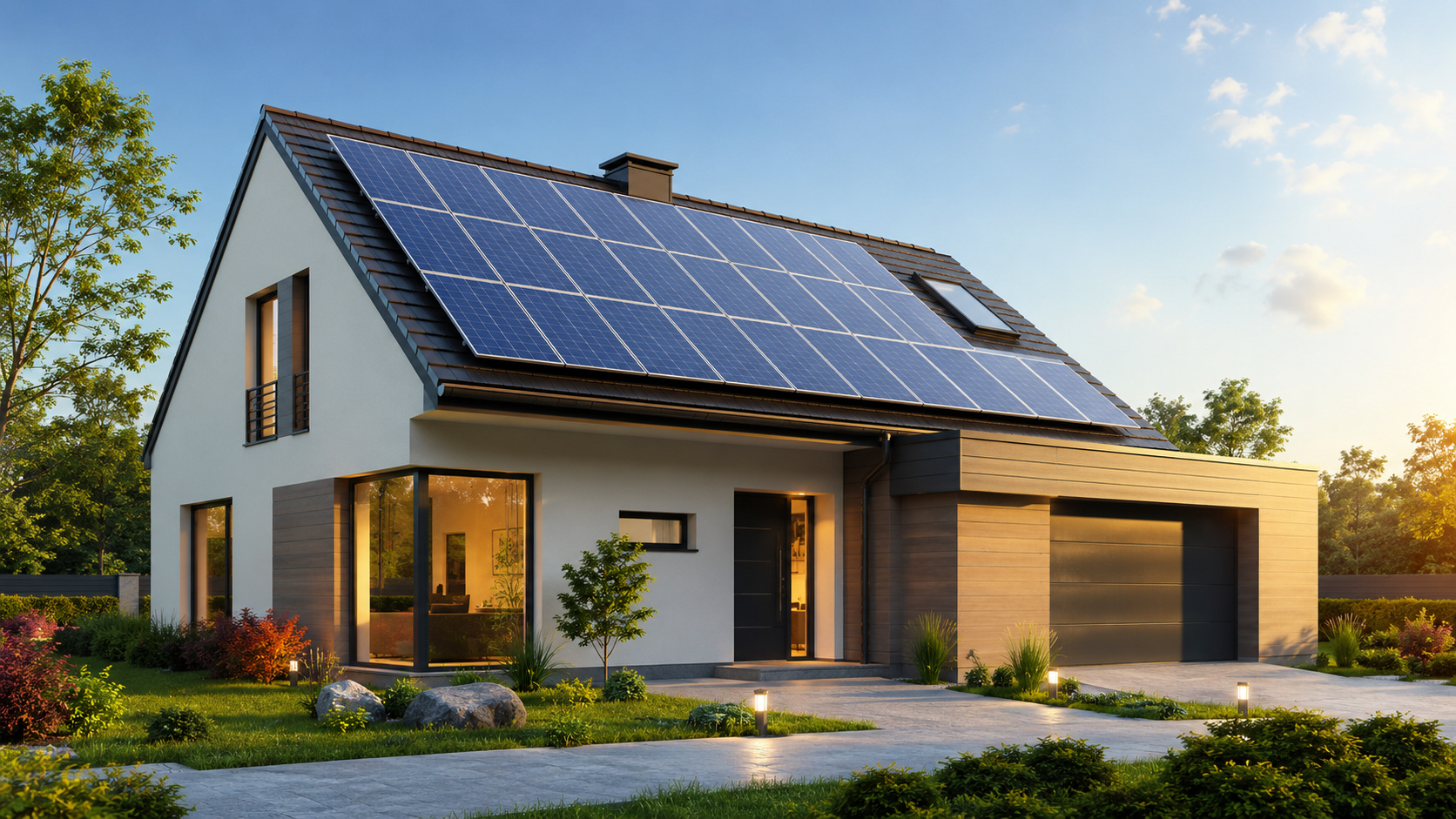
Solar energy can increase property value by up to 10% and become a selling point.

-
Solar and wind energy surpass natural gas for the first time in the world and accelerate energy revolution

-
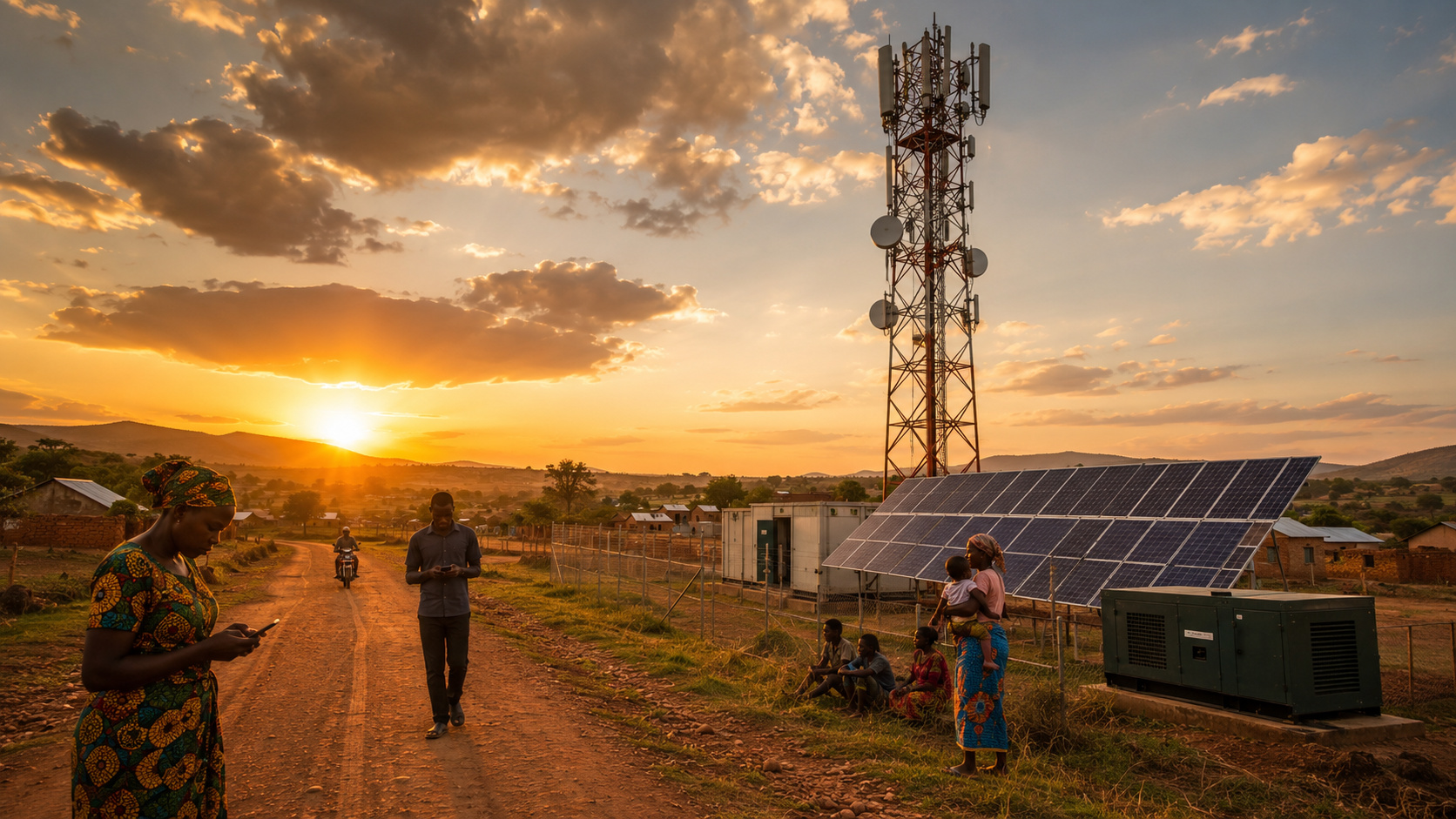
Africa has about 500,000 cell towers and most still burn diesel to operate, while companies rush to cover antennas with solar energy and avoid signal blackouts.
-
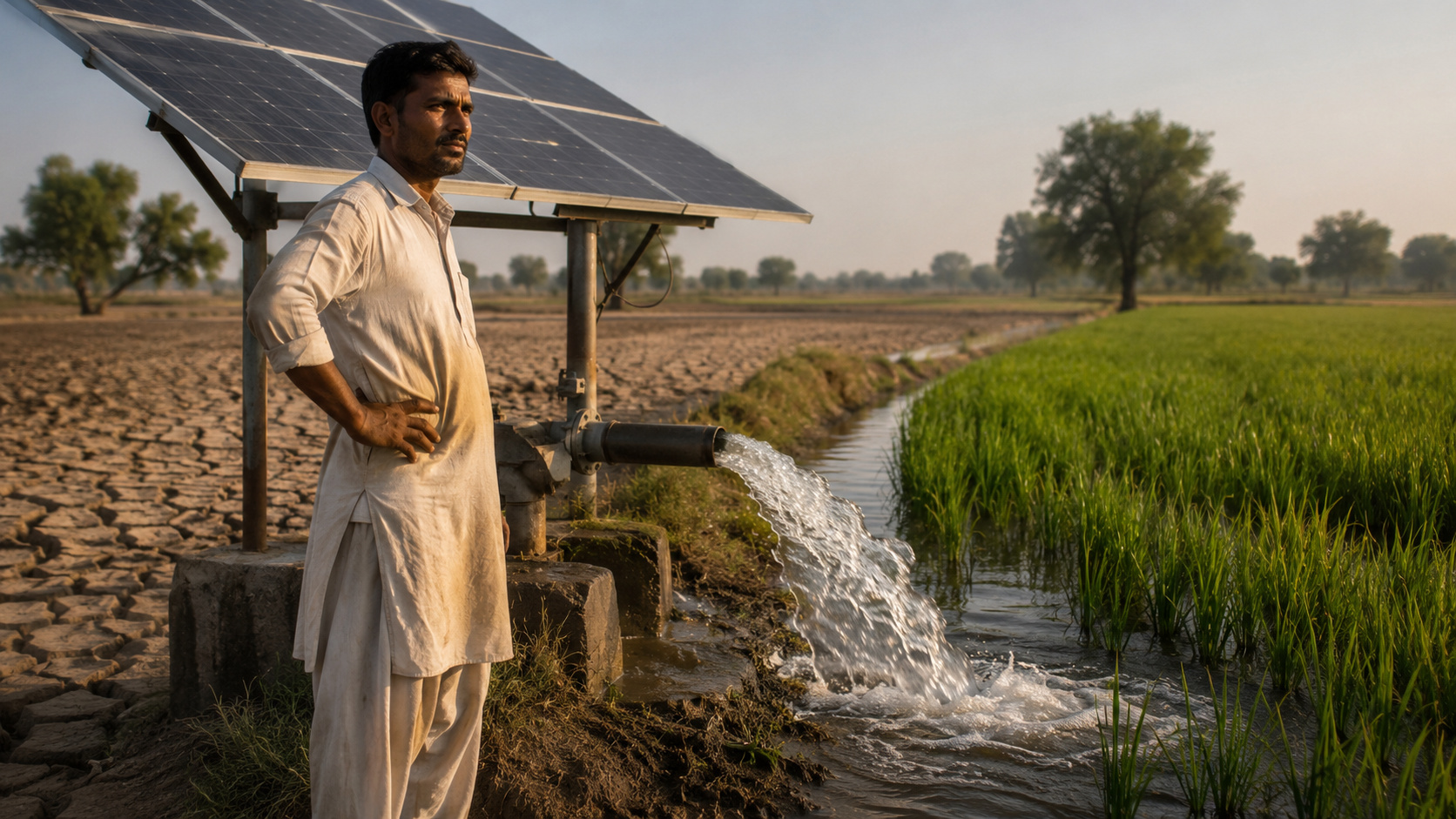
Farmers swapped diesel for solar panels in Pakistan, powered irrigation pumps almost cost-free, expanded rice fields, and now groundwater has become a red alert in the countryside.

Consequently, the daily transport of diesel and fuel oil increased supply costs and raised the risks of accidents and spills. Additionally, fuel price volatility directly affected the rates paid by local consumers.
Furthermore, the communities served by the Sisol suffered from frequent power interruptions, hindering economic activities, schools, and healthcare facilities.
Therefore, the need to seek more reliable and sustainable alternatives became evident. The introduction of renewable sources represents, therefore, not only technological innovation but also a significant social advancement.
Since the 1990s, initiatives have attempted to expand energy coverage in isolated regions. However, many areas still face difficulties due to not integrating into the SIN and relying on conventional thermal plants.
In this sense, the ANEEL auction changes this scenario, offering cleaner and more efficient solutions, aligned with decarbonization goals and Brazil’s environmental commitments.
Innovation and Sustainability in the ANEEL Auction
On August 26, 2025, the National Electric Energy Agency (ANEEL) approved the bidding notice of Auction No. 1/2025; therefore, it differs from previous auctions by incorporating hybrid solutions.
Moreover, the notice combines renewable sources, such as solar photovoltaic power plants, with battery storage systems and biodiesel or natural gas thermal plants.
Thus, this change reflects the growing concern of the country with the energy transition and the reduction of carbon emissions, aligning with global policies promoting sustainability in the electricity sector.
The ANEEL auction is scheduled for September 26 and will contract 67 MW of energy; therefore, there will be a significant increase compared to the initially expected 49 MW.
This growth highlights the need to meet the energy demand in these regions in a reliable and sustainable manner.
The start of supply is expected on December 20, 2027, except in Coari (AM), which will begin operating on December 1, 2030.
Moreover, cities like Anamã, Caapiranga, and Codajás may receive energy immediately, depending on the authorization of the Ministry of Mines and Energy (MME).
The bidding notice of the ANEEL auction requires that at least 22% of the contracted energy comes from renewable sources.
Therefore, this rule reinforces Brazil’s commitment to clean energy sources, encouraging solar photovoltaic plants associated with diesel, biodiesel, or natural gas thermal plants.
The hybrid model allows for storage of energy produced by intermittent sources, such as the sun, ensuring constant supply when needed.
Private Sector Participation and Project Diversity
The Energy Research Company (EPE) reported that 241 projects registered, resulting in 80 supply solutions that total 1,870 MW of offered capacity.
Consequently, the three available lots received proposals distributed between Amazonas and Pará, demonstrating the interest of the private sector in participating in the ANEEL auction and investing in technology and innovation for isolated regions.
Additionally, the registered projects show the diversity of energy sources and combinations, including thermal plants powered by natural gas, biodiesel, and biofuels, as well as solar photovoltaic plants associated with different thermal sources.
Technological advancements and the evolution of the Brazilian electricity sector have made it feasible to implement hybrid solutions in Isolated Systems.
In recent years, the country has seen significant growth in installed solar energy capacity, with projects that combine photovoltaic generation and battery storage, offering viable alternatives to traditional thermal plants.
Therefore, this trend reinforces the importance of the ANEEL auction as an instrument for promoting the modernization of the electricity sector in remote areas.
In addition to the technological aspect, the ANEEL auction also generates economic and social impacts.
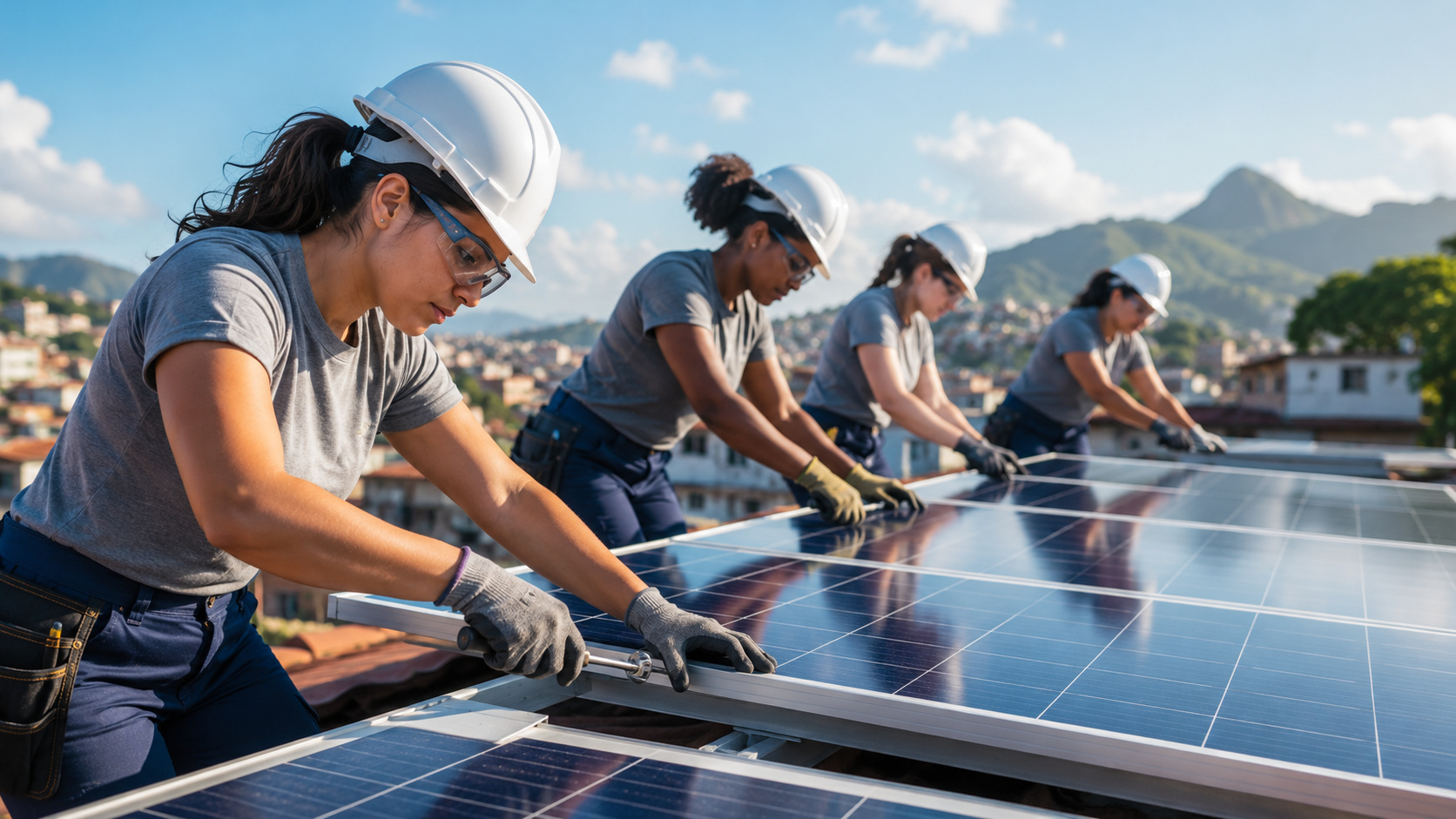
The implementation of hybrid systems in the areas served by Sisol reduces long-term costs, decreases dependence on fossil fuels, and creates jobs related to the installation, operation, and maintenance of new generating units.
Additionally, the reliable supply of electricity improves the quality of life for communities, enabling access to essential services such as healthcare, education, and telecommunications.
The participation of the private sector also fosters partnerships and investments in research, driving the development of solutions tailored to the climatic and geographical conditions of each region.
Thus, it contributes to the creation of replicable models in other locations in Brazil and around the world, consolidating the country’s experience in developing hybrid systems in remote areas.
Flexibility, Efficiency, and International Experience
International experience shows that the combination of renewable sources with storage and low environmental impact thermal plants has become a global trend.
For example, countries facing similar challenges, such as remote regions in Africa and Asia, adopt hybrid models that ensure security of supply and reduce greenhouse gas emissions.
Thus, the ANEEL auction places Brazil in this context, demonstrating capacity for innovation and commitment to sustainability.
Another relevant point of the bidding notice is the flexibility in adopting different combinations of energy generation.
Therefore, projects can associate solar photovoltaic plants with diesel, natural gas, biodiesel, or biofuel thermal plants, allowing solutions adapted to the local reality to reach communities.
In this way, each region receives energy efficiently, considering climatic, logistical, and socioeconomic aspects.
The ANEEL auction also creates opportunities for investors and energy sector companies.
Thus, by participating in a bidding process that values hybrid and renewable solutions, the private sector directly contributes to the energy transformation of the country.
At the same time, it strengthens the energy infrastructure in isolated regions, contributing to the stability of the national electricity sector.
Impacts and Sustainable Future
In summary, the ANEEL auction represents a strategic step to modernize energy supply in Isolated Systems, combining technological innovation, sustainability, and social development.
By prioritizing renewable sources and hybrid solutions, the bidding process reduces dependence on fossil fuels, decreases logistical and environmental costs, and promotes reliable access to electricity.
Therefore, this movement reflects Brazil’s historical trajectory in the electricity sector and signals a more sustainable and efficient future for remote regions, reaffirming ANEEL’s role as a responsible regulator and promoter of long-term energy policies.
The auction not only transforms the energy landscape of Isolated Systems but also positions Brazil as a reference in the adoption of hybrid technologies in remote areas.
By investing in solar energy, batteries, and combinations with low-impact thermal plants, the country takes an important step towards the modernization, efficiency, and sustainability of the electricity sector.
Furthermore, it creates a foundation for other regions of the country to benefit from hybrid models, expanding access to clean and reliable energy throughout the national territory.