






 Portuguese
  Spanish


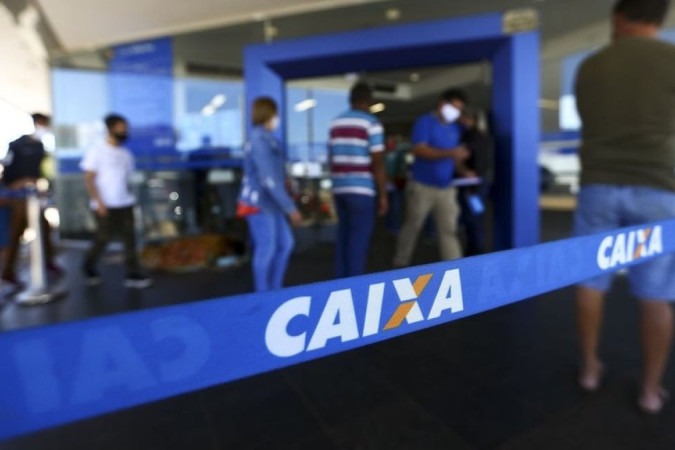

Changes in PIS/Pasep and Minimum Wage Will Affect 53 Million Brazilians!
The changes in the minimum wage and the PIS/Pasep rules, recently approved by the National Congress, will directly impact the lives of over 53 million people in Brazil. The new proposal, which is part of a package of adjustments by the Lula government, affects formally employed workers, public servants, retirees, and pensioners.
Salary Bonus
A Proposed Constitutional Amendment (PEC) approved in the early hours of this Friday made changes to the income limit for those entitled to PIS/Pasep. Currently, those earning up to two minimum wages can withdraw the benefit, based on the base year from two years prior to the payment.
-
Audit Reveals 80% of Ghost Employees in Rio Government Departments, Leading to Over 4,000 Dismissals and Saving the State $3.3 Million Monthly

-
Former Shoe Factory Worker Turned Entrepreneur Opens 19th Tool Store, Projects $230 Million Revenue, Expands to São Paulo
-
Father Founded Arezzo in a Belo Horizonte Garage; Son, as CEO, Merges to Form “Azzas 2154” with Over 30 Brands, 2,000 Stores, and a $110 Million IPO
-
At 21, he used a $40,000 family loan to start a stationery brand in Brazil; today, BRW earns $48 million annually, has 20,000 sales points, and holds 11 patents, including a highlighter with lip gloss to appeal to teens.


This means that workers with an income of up to R$ 2,640 will be able to receive the bonus in 2025, considering the 2023 minimum wage of R$ 1,320. However, starting in 2026, this ceiling will be adjusted for inflation, gradually decreasing until it stabilizes at 1.5 minimum wages.
For example, in 2026, the amount will still be adjusted for inflation, but in the future, beneficiaries will have to earn a maximum of 1.5 minimum wage to be entitled to the bonus. This change directly affects 25.8 million workers who would receive the benefit in 2025, totaling R$ 30.7 billion.
Impact on Workers with Minimum Wage
Among the millions of beneficiaries, 1.3 million formally employed workers, who earn exactly the minimum wage, will suffer doubly from the changes in the bonus and the adjustment of the minimum wage.
The minimum wage, currently adjusted by the INPC (inflation) and the GDP growth from two years prior, will now have its real growth limited by the fiscal framework rules.
The new methodology allows for adjustments between 0.6% and 2.5% above inflation, depending on the government’s revenues from the previous year.
In 2025, the expectation is that the minimum wage will rise to R$ 1,518, a difference of R$ 10 less compared to the current rule, which would take it to R$ 1,528. This change results in an estimated savings of R$ 7 billion for public coffers.
Retirees and Pensioners Will Be Impacted
In addition to formal workers, 21.1 million retirees and pensioners from the INSS, who receive the minimum wage, will feel the effect of the new rules. This includes beneficiaries of the Continued Benefit (BPC/Loas), aimed at low-income elderly individuals and people with disabilities, also linked to the adjustment of the minimum wage.
Domestic Workers on the Front Line
Another group strongly affected are domestic workers. IBGE data indicates that, in Brazil, 1.5 million workers in this category are formalized.
The majority of them earn exactly the minimum wage, but they do not have the right to PIS/Pasep, which leaves them vulnerable to changes in the adjustment of the minimum wage.
Experts point out that the changes may bring fiscal relief to the government, but they will also impact the purchasing power of millions of Brazilians. Low-income workers and retirees, the main dependents on the minimum wage, may feel the weight of these changes in the coming years.
Thus, the approved changes open a new chapter in the country’s economic policy, significantly affecting the routine and budget of millions of Brazilian families.





Mas só pegou a parte podre da pirâmide do salário mínimo ! Isso e o PT ?,😡😡😡