






 Portuguese
  Spanish


Soprano, lock manufacturer, announced R$ 150 million to expand operations and set up a distribution center in Santa Catarina, double storage capacity, create 200 direct jobs, and aim for R$ 1 billion in revenue by 2026, with a logistics expansion focused on faster deliveries in Southern Brazil.
The gaucho lock manufacturer Soprano announced on June 1, 2026, an investment plan of R$ 150 million for the next five years. The strategy includes logistical and industrial expansion, creation of 200 direct jobs, and the establishment of a new distribution center in Navegantes, on the Northern Coast of Santa Catarina.
According to Exame, the company, founded in Farroupilha, in the Serra Gaúcha, intends to double its storage capacity with two new structures in Southern Brazil: one in Caxias do Sul, in Rio Grande do Sul, and another in Santa Catarina. The stated goal is to support the growth of operations and surpass R$ 1 billion in revenue by 2026.
Lock manufacturer starts R$ 150 million plan to grow above the market

Nationally known for the production of locks, hardware, and construction-related materials, Soprano is preparing a new phase of expansion after more than seven decades of activity. The announced investment brings together actions in logistics, automation, and industrial expansion, areas considered essential to increase the company’s service capacity.
-
Brazil’s 2026 Tax Refund: Record 9.58 Million Filers in Largest Payout Ever, But a Key Detail on Priority Recipients Draws Nationwide Attention

-
Itaú Alters Hybrid Work Model, Increasing Office Days from 2028, Prompting Employees to Adjust to New Routine
-
Facing Labor Shortage, Japan Plans to Invest $34 Million to Attract Foreign Workers in Construction, Healthcare, Industry, and Commerce

-
Brazilian City Makes Remarkable Leap, Becomes 4th Wealthiest in the Country with GDP of R$ 134.1 Billion




The company has about a thousand employees and a portfolio with more than 4,000 products. Although it also operates with furniture components, electrical materials, thermal utilities, and refrigeration, the division related to locks and construction materials represents more than half of the group’s revenue.
The plan is not limited to manufacturing more products: it aims to bring stock closer to customers and make deliveries faster. In a market that depends on immediate availability for construction, stores, and distributors, logistics can directly influence a brand’s ability to gain ground.
The expansion is taking place under the leadership of Cyro Gazola, who took over the company approximately a year before the announcement. The new management has been directing efforts to strengthen the portfolio, reorganize operations, and increase proximity to the markets served by the company.
Santa Catarina to receive a 10,000 square meter logistics center
The choice of Santa Catarina emerges as one of the most relevant points of Soprano’s new cycle. The distribution center planned for Navegantes will have 10,000 square meters and will be installed in a region connected to strategic highways and ports used in business operations.
In addition to the unit in Santa Catarina, the lock manufacturer also plans to open a new distribution center in Caxias do Sul. With the two ventures, the company projects to double its storage capacity and reorganize the distribution of products throughout the South and other consumer markets in the country.
Navegantes was chosen at a time when infrastructure and location became even more significant in industrial decisions. Proximity to logistics corridors can facilitate product shipping and improve the supply to regions considered priorities for the company.
The move also reinforces the role of Santa Catarina in attracting operations focused on storage and distribution. In the case of Soprano, the unit in Santa Catarina will not replace the industrial base in Rio Grande do Sul, but it should function as a strategic point to speed up deliveries and increase the availability of items in the market.
Expansion plans for 200 direct jobs and doubled storage
The project announced by the company plans to create 200 direct jobs throughout its execution. The positions are associated with the advancement of the planned logistical and industrial structures, although the company has not yet detailed which positions will be opened or how the hires will be distributed among the involved states.
The doubling of storage is expected to allow finished products to be closer to customers and distributors. For a manufacturer that sells locks, hardware, electrical materials, and other components used in different sectors, reducing logistical distances can help shorten deadlines and respond more efficiently to demand.
The investment combines job creation with a reorganization of how products reach the market. Instead of relying solely on manufacturing expansion, Soprano bets that strategically distributed stock can support the expected growth for the coming years.
Part of the investment will also be directed to the industrial unit in Farroupilha, especially for the production of locks and metal components. Thus, the plan combines strengthening the original factory with a new distribution network designed to expand reach and operational speed.
Revenue target puts first billion on the horizon for Soprano
The financial ambition of the plan is to lead Soprano to surpass the mark of R$ 1 billion in revenue by 2026. The goal occurs in a context where the company seeks to combine logistical efficiency, increased capacity, and commercial strengthening to grow beyond its traditional operations.
The target, however, represents a business projection and will depend on the execution of investments, demand for products, and market conditions. The company operates in areas influenced by the performance of construction, industry, specialized retail, and consumption of items for homes and enterprises.
Locks continue to be one of the most recognized bases of the business, but the company already operates on multiple fronts. In addition to products used in doors, furniture, and construction, Soprano has also developed a presence in electrical components, thermal items, and refrigeration through its different units.
This diversification can reduce dependence on a single segment while requiring more logistical coordination. The larger the portfolio and regional presence, the greater the need to maintain adequate stock and predictable deliveries for different customer profiles.
Gaúcha company expands presence without abandoning industrial origin
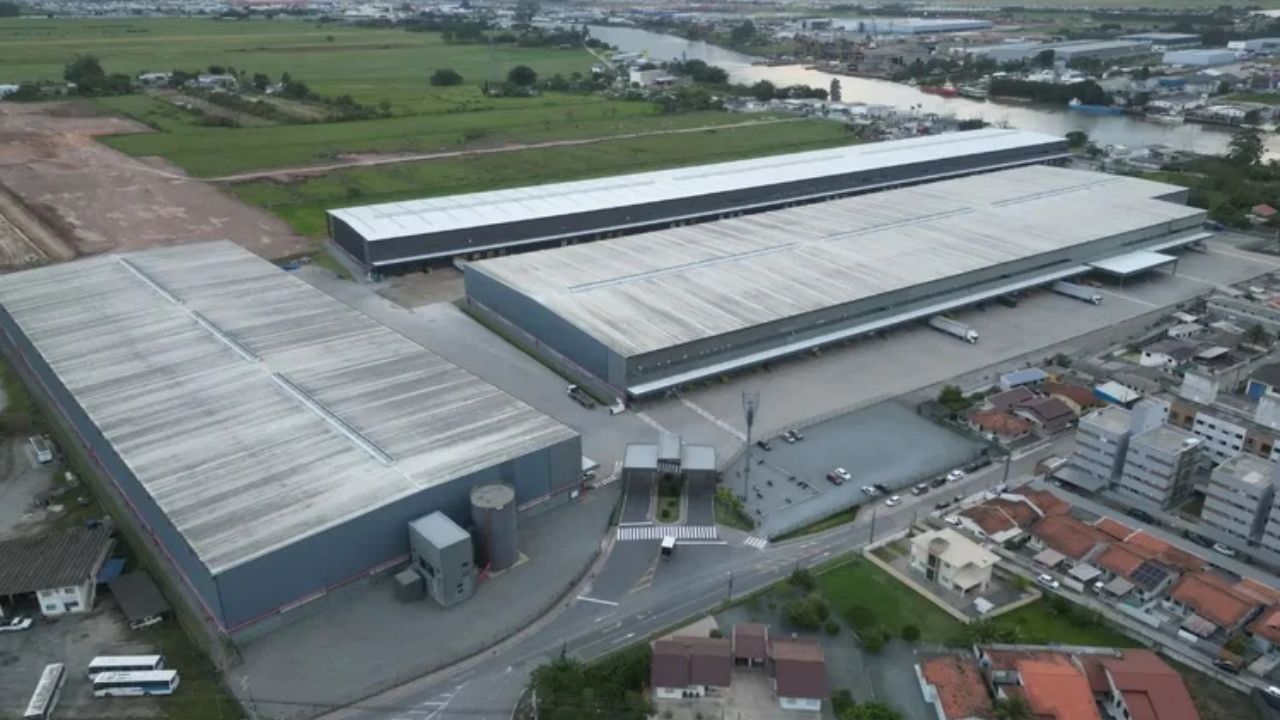
Founded in 1954, in Farroupilha, Soprano built its trajectory in the Serra Gaúcha and expanded its portfolio over the decades. The implementation of a logistics center in Santa Catarina represents a significant territorial expansion, but industrial production will remain linked to the Gaúcha operation, which will also receive part of the announced resources.
The new design creates a connection between production and distribution: the company manufactures and expands its industrial operation in Rio Grande do Sul while positioning stocks in points considered suitable to serve routes and consumer centers with greater speed.
The strategy shows that a traditional lock manufacturer can seek growth not only through production but through the efficiency of the entire chain. Better storage, reducing distances, and serving with greater predictability are factors that can weigh as much as expanding an industrial line.
The change also occurs during a period of efforts to expand international presence. Currently, according to information released by the company, exports represent between 5% and 10% of its revenue and are mainly concentrated in Mercosur countries.
Santa Catarina enters the route of an operation targeting new markets
With the distribution center planned for Navegantes, Santa Catarina becomes directly integrated into the plan of a company that intends to expand its scale in Brazil and advance in South American markets. The Santa Catarina location is expected to support product shipments and strengthen the connection with logistical routes used by the company.
Soprano has also maintained a structure in Shanghai, China, for over two decades, dedicated to supplier relationships, product development, and support for international operations. This presence indicates that the Brazilian plan connects to a broader operation of supply and business expansion.
The challenge will be to transform the announcement of R$ 150 million into measurable results: new jobs, operational centers, expanded storage, and real progress towards R$ 1 billion in revenue. The installation in Santa Catarina represents a significant step, but the reach of the strategy will depend on the progress of the works and the company’s performance.
For the involved municipalities, especially Navegantes, the project adds a logistical operation linked to a manufacturer with national presence. For Soprano, the choice of Santa Catarina emerges as part of a bet to make the group’s locks and other products reach strategic markets more quickly.
Investment in locks and logistics opens a new chapter for a 72-year-old company
Soprano’s plan brings together significant numbers: R$ 150 million in investments, two distribution centers, 200 direct jobs expected, doubled storage, and the goal of surpassing R$ 1 billion in revenue. At the center of the strategy is a gaucho lock manufacturer that decided to expand its logistical structure with a new base in Santa Catarina.
The expansion will still need to be monitored in practice, especially regarding the implementation of the Navegantes center, the effective opening of jobs, and the achievement of the announced financial goal. Even so, the movement shows how traditional industrial companies seek new growth routes through logistics, automation, and proximity to customers.
In your opinion, are investments in logistics centers and faster deliveries enough to take a traditional manufacturer to its first billion in revenue, or will the market still demand bigger changes in products and prices? Leave your comment and join the discussion.








