






 Portuguese
  Spanish
  5 min of reading
  0 comments


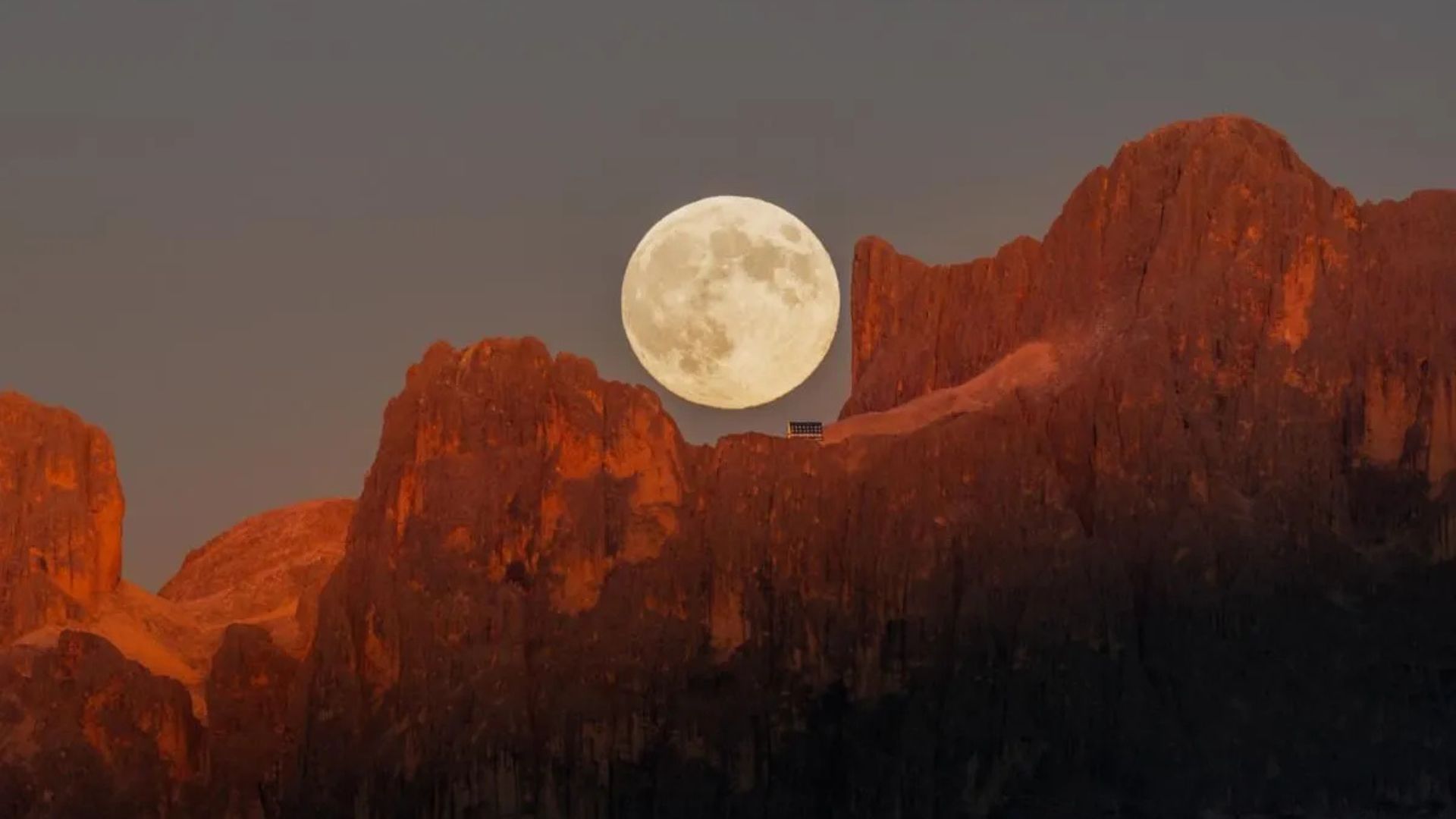
Lunar Calendar of 2026 Brings Unusual Sequence of 13 Full Moons, with the Traditional Snow Moon and the First Blue Moon of the Year in May.
Various indigenous names and astronomical explanations about the lunar cycle help to understand why dates change with the timezone.
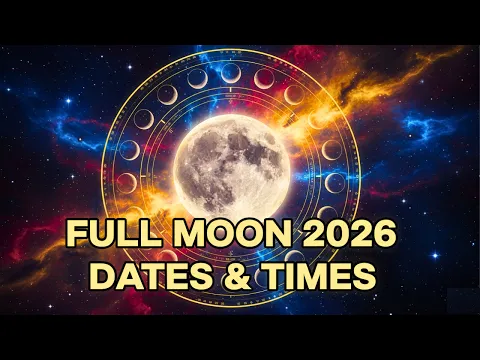
The next full moon, known as Snow Moon, occurs on February 1, 2026 and opens an unusual year for those watching the sky: 2026 will have 13 full moons, one more than the most common standard of 12.
The “extra moon” appears because the cycle between one full moon and another lasts about 29 and a half days, while the civil calendar adds months with 30 or 31 days.
-
Florida begins sending robotic rabbits to the Everglades swamps, where they mimic prey, use cameras, AI, and sensors to attract and locate invasive pythons hidden in the mud and vegetation.

-
Engineers in Brazil deploy a robot dog to enter pipelines of a R$ 134.7 million project, facing mud, sand, humidity, and toxic gases, and send data in real-time without exposing workers.
-
Brazilian family creates machine that transforms seawater into fresh water, produces up to 130 liters per hour, facilitates routine on vessels, and boosts family business along the country’s coast.
-
A doctor from Minas Gerais warns that sleeping with the fan pointed at the body all night is not as harmless as you think; it dries out the respiratory tract, causes mucus buildup, spreads dust mites, and can even irritate the cornea of the eyes.




In some years, this difference allows an extra full moon to fit into the same year.
Why February is Called Snow Moon
The term “Snow Moon” comes from a set of traditional names associated with full moons, popularized especially in North America.

In regions of the northeastern United States, the month of February tends to concentrate intense snowstorms, which helped to establish the idea of a period marked by abundant snow.
Still, there is no single “dictionary” of names.
Indigenous peoples from different areas have recorded their own designations for February’s full moon, according to a study compiled by the Planetarium of Western Washington University.
This is why the same phenomenon is described with distinct, sometimes even opposing images, depending on the landscape and local experience.
Different Indigenous Names for the Same Full Moon
Among the examples mentioned in this compilation, there are descriptions that approach the idea of snow, but without literally repeating the term “Snow Moon.”
The Arapaho people of the Great Plains use an expression associated with ice and shine: “frost shining in the sun.”
In another direction, the text mentions a name that contrasts with the harsh winter imagery.
The Zuni tradition in New Mexico appears with “onon u’la’ukwamme,” translated as “without snow on the trails,” a reminder that not all regions experience February the same way.
There are also names inspired by animals present in each territory’s daily life.
In the Pacific Northwest, the Tlingit reference for the full moon of the period appears as “s’eek dis,” associated with the “black bear moon.”
In Alaska, the Haida reference brings another image: “hlgit’un kungáay,” described as “goose moon.”

What Science Calls a Full Moon
Astronomically, a full moon occurs when the Earth is approximately between the Sun and the Moon, and therefore the lunar hemisphere facing us appears illuminated.
This phase repeats in a cycle of about 29.5 days, the so-called synodic month, which serves as the basis for lunar calendars and for predicting phases throughout the year.
It is in this mismatch between a “broken” cycle concerning civil calendar months that years with 13 full moons arise.
When the first full moon of a month occurs in the first few days, there is a chance for another full moon to happen still within the same month — the mechanism that gives rise, in the most popular definition, to the so-called Blue Moon.
May with Two Full Moons and the First Blue Moon of 2026
In 2026, the sequence that draws the most attention is in May, a month that hosts two full moons.
The first occurs on May 1, traditionally called Flower Moon, and the second appears on May 31, the date on which the calendar records the Blue Moon of the year by the “monthly” definition, that is, the second full moon within the same month.
Despite the name, the Blue Moon does not indicate a color change. Generally, it is just a popular label for a rare statistical event, which tends to repeat at intervals of approximately two to three years.
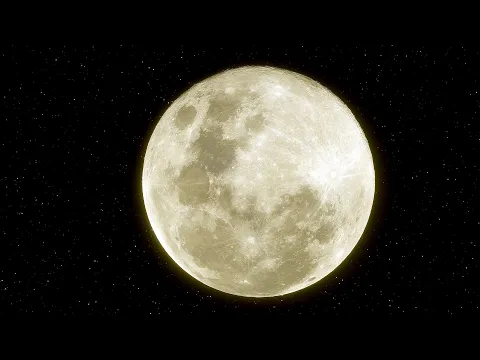
In specific situations, particles in the atmosphere can alter the perceived color of the Moon, but this depends on environmental conditions and is not a “mandatory” characteristic of this type of full moon.
The Calendar of 13 Full Moons Throughout 2026
After the Snow Moon on February 1, the next full moon is scheduled for March 3, associated with the name Worm Moon.
In addition to being a hallmark of the phases calendar, March 2026 coincides with an eclipse season, and there is a lunar eclipse anticipated during the same period, which may increase interest in the night sky, depending on visibility in each region.
Next, April brings the so-called Pink Moon, but an important detail matters here: the date may vary according to the timezone.
Some tables record the phenomenon on April 1 at local times in parts of the Americas, while others point to April 2 when the reference is in European times.
In Brazil, it may occur on the turn, depending on the exact timing of the peak.
The rest of the year maintains the nearly monthly cadence, with the Strawberry Moon at the end of June and the Stag Moon at the end of July, traditional names that circulate in popular observation calendars.
In August, the Sturgeon Moon appears, again with the possibility of a one-day difference between sources due to time zone — an expected effect when the exact time falls close to midnight in some areas.
In September, the highlight tends to be the Harvest Moon, associated with the agricultural period and, in some calendars, also called Corn/Harvest Moon.
October comes with the Hunter’s Moon, November with the Beaver Moon, and December wraps up with the Cold Moon, maintaining the tradition of names that have crossed almanacs and scientific outreach calendars.


-

-

-

8 people reacted to this.