Portuguese
  Spanish


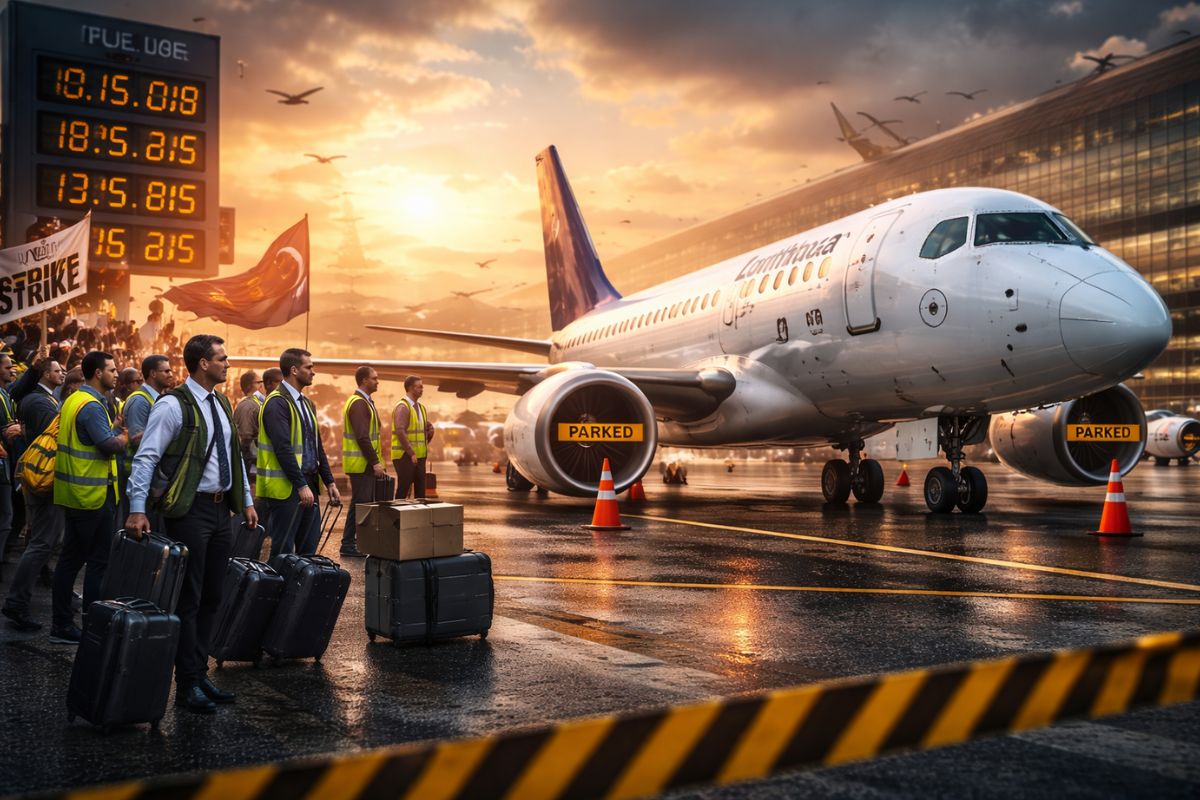

Lufthansa ends CityLine immediately, cuts 2,200 jobs; strikes and jet fuel pressure and 27 jets grounded
The Lufthansa has immediately ceased operations of its regional subsidiary CityLine and announced the elimination of 2,200 jobs overnight, in addition to keeping 27 CRJ jets grounded, according to a report released after the news broke last night in April.
The closure, which was previously considered a planned exit for 2028, has been brought forward by about two years and occurs amid a series of strikes within the group. The official justification mixes cost pressures with higher jet fuel prices and geopolitical instability, but the abrupt nature of the decision has raised alarms in the sector and among passengers who relied on regional connections.
What Lufthansa did and why the announcement caught everyone by surprise
The Lufthansa group announced the immediate closure of CityLine, without a prolonged transition. The most direct impact was the cut of 2,200 jobs and the grounding of 27 regional aircraft that operated as part of the group’s structure.
-
Couple Sold Their Home to Save Business, Now Run Platform Handling $180 Million Monthly and Managing Over 51 Million Listings

-
Brazil’s 2026 Tax Refund: Record 9.58 Million Filers in Largest Payout Ever, But a Key Detail on Priority Recipients Draws Nationwide Attention

-
Itaú Alters Hybrid Work Model, Increasing Office Days from 2028, Prompting Employees to Adjust to New Routine
-
Facing Labor Shortage, Japan Plans to Invest $34 Million to Attract Foreign Workers in Construction, Healthcare, Industry, and Commerce





The tone of “immediate end” and the internal communication to employees reinforced the perception of shock. When a subsidiary disappears from the map overnight, the entire operation feels it, from passenger service to the design of routes and connections.
Sequential strikes and jet fuel at the center of the justification
The report indicates that Lufthansa has been facing strikes for the fourth time this year, still in April, involving different categories. At CityLine, the flight attendants’ union, called UFO, had called for a two-day strike shortly before the announcement.
At the same time, the company cited the rise in jet fuel prices as the official reason for the need for cuts, in addition to geopolitical instability. The combination of high costs and operations stalled by strikes creates a perfect environment for tough decisions, and that was exactly the scenario described.
The detail that raised doubt: 80% of jet fuel “protected” and still total cut
One point that drew attention in the report is the very admission that 80% of jet fuel consumption would be protected by contracts, and yet the group treated the cut as inevitable.
This fueled the reading that the current crisis may have accelerated a decision that was already in the works, with the argument that regional jets would already be “in their final days” due to cost-cutting strategy. The trigger may have been the jet fuel, but the direction seemed to already have a finger on the button, and the timing became part of the discussion.
The internal message: cheaper structure in place of concessions
The account describes a symbolic and harsh movement: while CityLine is being shut down, a brand of the group focused on lower costs, called Discover Airlines, emerges as an expansion with new Airbus A350 and significantly lower personnel costs.
The presented reading is straightforward. Instead of negotiating under the pressure of a strike, the group would signal that cheaper structures can replace operations and teams. For those working in aviation, this type of message changes the atmosphere of any negotiation table, and increases the risk of new union confrontations.
Fleet restructuring and what it indicates for the coming years


In addition to the end of CityLine, the account mentions deactivations in the fleet, including six long-haul jets, with four Airbus A340-600 and two Boeing 747-400, and the indication that these jumbos may disappear permanently from the fleet by 2027. Retirements of medium-haul aircraft are also mentioned.
In practice, Lufthansa would be repositioning the operation to regain financial health. When the fleet changes, the route map changes as well, and this usually reaches passengers even before it becomes economic news.
What changes for passengers: fewer connections and higher prices on the radar
The most immediate effect cited for passengers, in Germany and also for those depending on connections with other countries, is the reduction of regional connections. Less availability usually means adjustments to the network, rebookings, and greater pressure on the final price.
The account also points to a risk of drifting away from a quality standard that previously marked the brand, especially if the restructuring comes accompanied by leaner costs and new waves of strikes, which are considered likely. The passenger does not discuss jet fuel or unions when purchasing, they feel it when the flight disappears and the price rises, and that is where the crisis becomes routine.
Have you ever had a flight canceled or a connection cut due to a strike or airline restructuring?