Portuguese
  Spanish


In Minas Gerais, Lula Criticized The Interference Of The United States, Reaffirmed The Defense Of National Sovereignty, Announced Council On Strategic Minerals, And Commented On The Trial And Amnesty Requests For Former President Jair Bolsonaro.
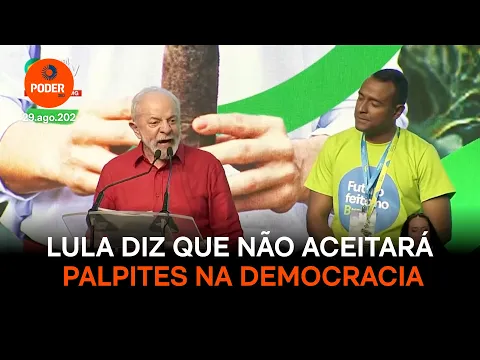
The President Luiz Inácio Lula da Silva resumed his speech defending national sovereignty during an agenda in Minas Gerais and criticized external interference in Brazilian politics.
Upon inaugurating the Center for Technology and Agroindustrial Innovation in Montes Claros (MG), he stated: “I dream of an independent nation. That’s why I don’t accept anyone giving opinions about Brazilian democracy and interfering in Brazilian sovereignty.”
According to Lula, the country “must have character and dignity to not be disrespected.”
-
European Parliament Approves Digital Euro, Aiming to Challenge Visa and Mastercard’s Dominance and Transform Payments Across Europe by 2029

-
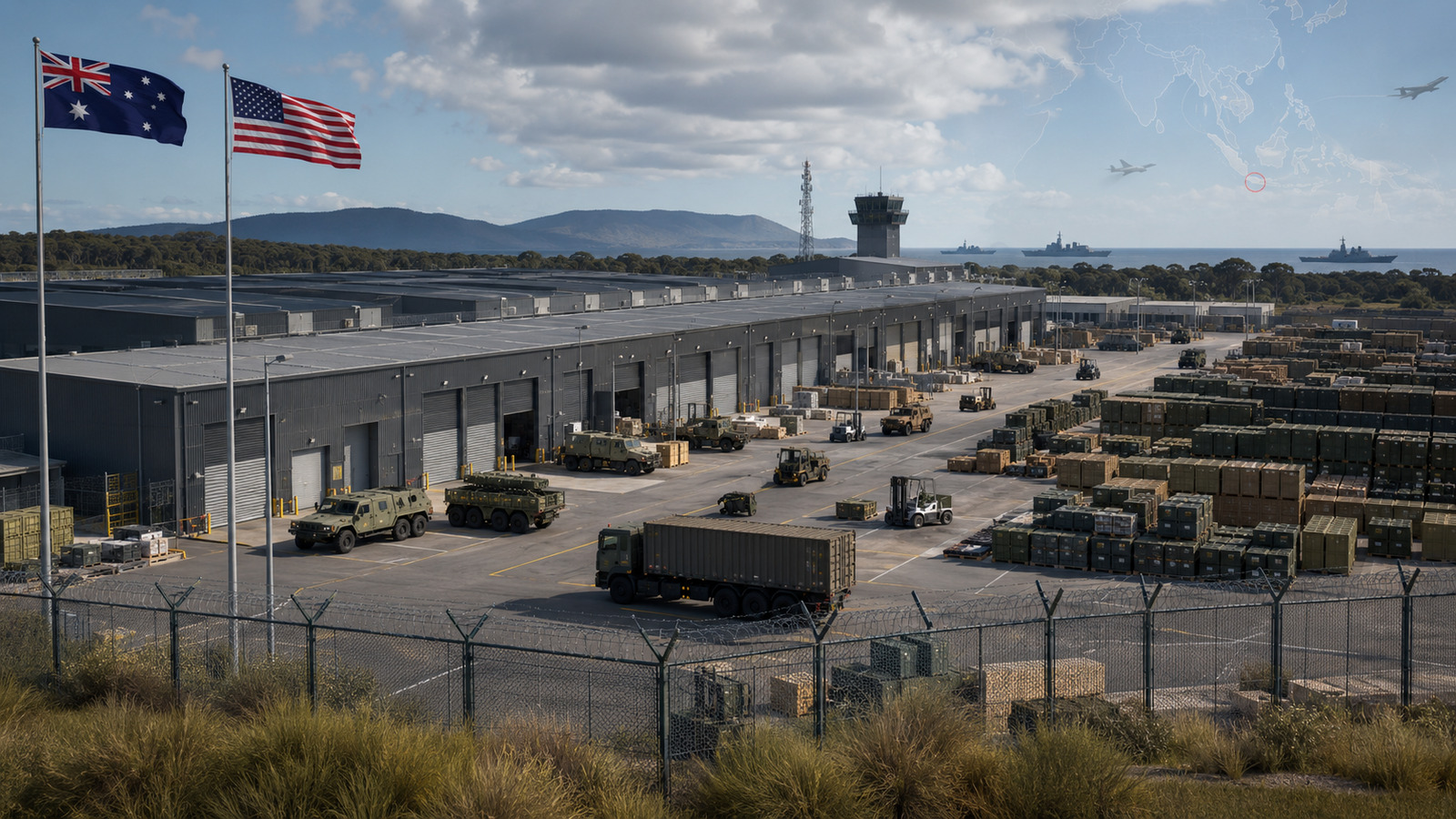
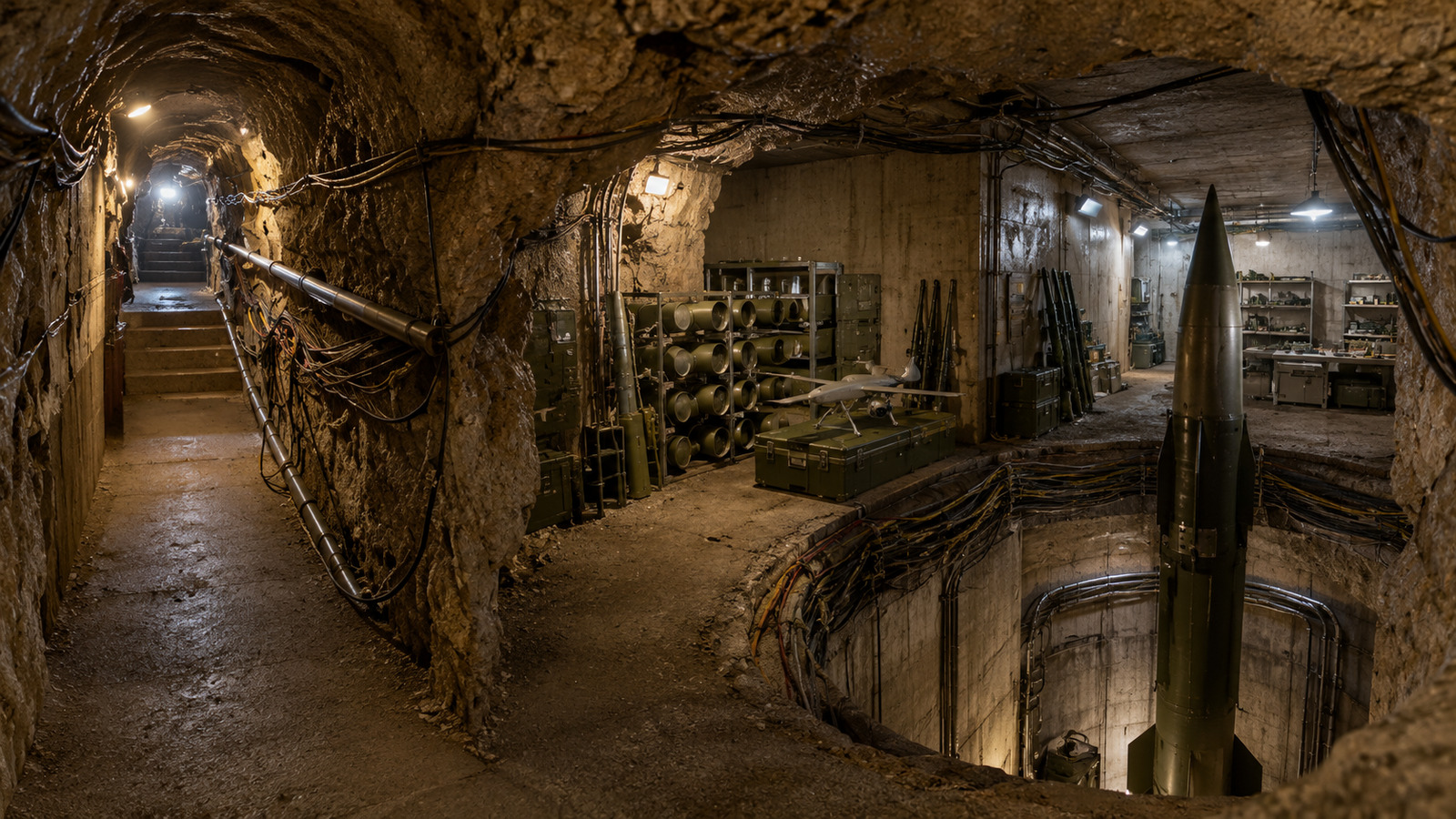
Israel finds Hezbollah militarized tunnel over 200 meters long under village, with 4 missile launch shafts, 12 chambers, anti-tank missiles, drones, and weapons depots at a depth of 25 meters.

-
Ukraine launches largest drone attack on Moscow since 2022, Russia claims to have intercepted nearly 200 aircraft near the capital, Kapotnya refinery targeted again, and offensive reignites alert about war reaching the Russian energy heart just a few kilometers from the Kremlin.

-
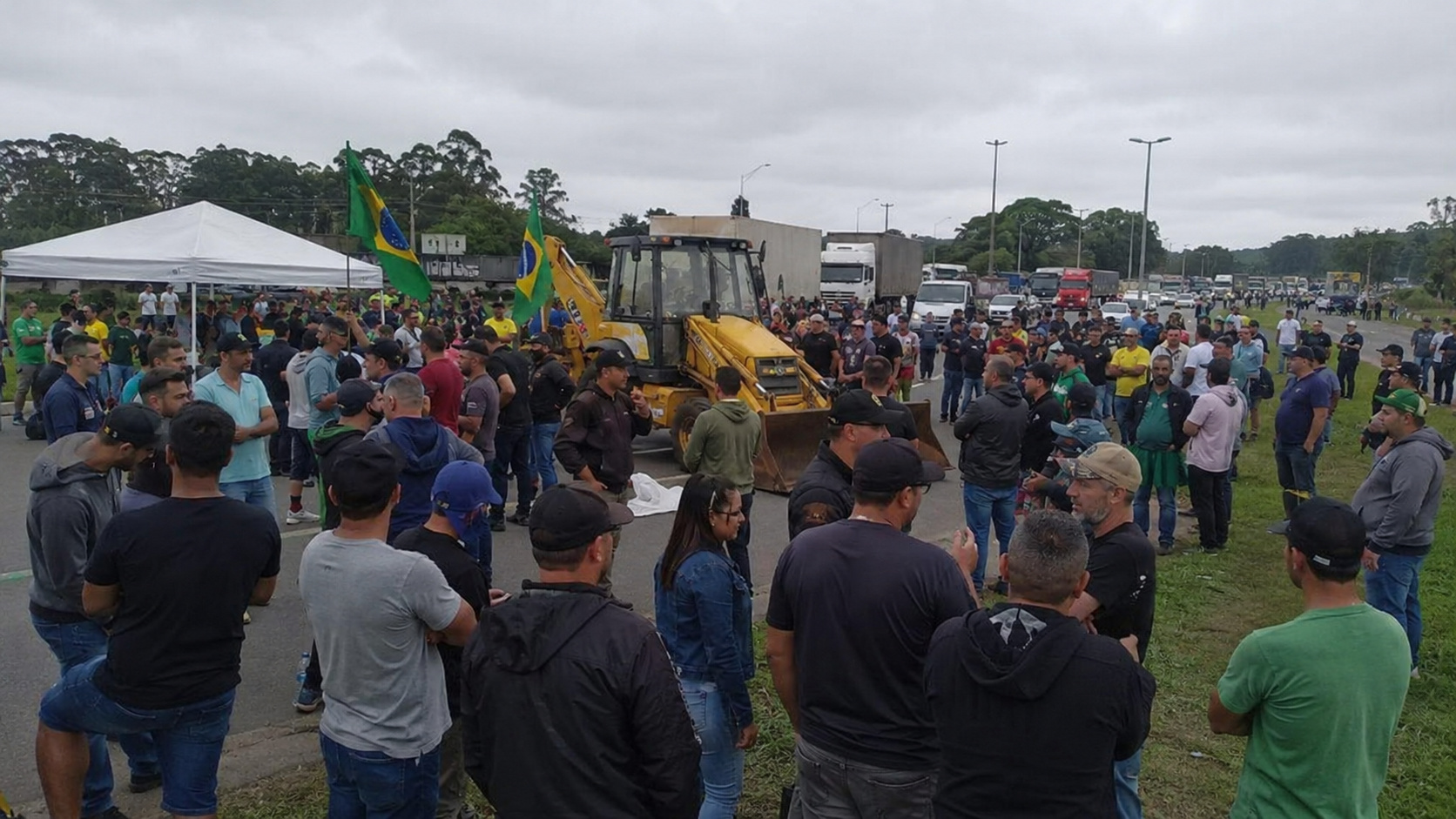
Truck drivers, freight, and fines from 2022 take center stage in politics: Chamber approves MP with amnesty, mandatory tracking by CIOT, million-dollar penalties, and new minimum wage for those who spend more than 24 hours on the road.


Sovereignty And US Interference
In his speech, the head of the Executive targeted the United States while commenting on the diplomatic crisis triggered by the so-called “tariff” and rejected external conditions. “We are the ones who need to think about the kind of nation we want to build,” he said.
He then emphasized that he does not expect solutions coming from Washington: “We cannot keep smiling at the United States in the expectation that they will do what we need. They won’t.”
To illustrate his argument, he asked: “Which neighboring country in Latin America has gotten rich? I’m talking about 500 years.”
Education And Development Project
Still in the same speech, Lula linked sovereignty to education and innovation, mentioning the role of technological centers in the interior of the country.
According to him, increasing access to education and science is a condition for less dependence on external decisions.
The bet, he reiterated, is on local training, industry, and adding value to natural resources.
Brazil–US Relationship In A Critical Moment

The climate between Brasília and Washington has been characterized as delicate by specialists consulted by the newspaper O Globo.
According to the publication, scholars of Brazilian foreign policy and the two-century history of bilateral relations assess that the moment is “the most critical” in decades.
They point to an unusual “interference” from the US in Brazil’s domestic agenda under the administration of Donald Trump.
Among the cited factors is the absence of a direct and functional channel between the Palácio do Planalto and the White House, which aggravates noise during a period of trade disputes.
Mining And Dispute For Critical Minerals
During the agenda in Montes Claros, the president announced the creation of a council linked to the Presidency of the Republic to deal with critical minerals, an area that, according to him, requires strategic coordination.
The measure targets resources such as rare earths, essential inputs for advanced technologies and of interest to foreign powers.
“I will create a council linked to the Presidency of the Republic,” he declared. “No one will put their finger on our critical rare earth minerals because they are ours, and we will take care of it.”
Lula indicated that, henceforth, companies interested in exploring strategic raw materials will have to invest in national territory or buy the final product from Brazil.
“This will have to be used for the future of this country,” he stated. “Whoever wants to, come buy from us or come produce here.”
The movement occurs amid signs of interest from the US government in the supply chain of these minerals in Latin America.
Amnesty And Trial Of Former President Bolsonaro
Earlier, in an interview with Rádio Itatiaia, Lula commented on the process that investigates the alleged coup plot and said he does not intend to follow the session that judges former president Jair Bolsonaro.
“I won’t watch the trial. I have better things to do”, he stated.
He defended that the case should be decided “based on the records” and avoided anticipating an outcome: “If he committed a crime, he will be punished. If he didn’t commit, he will be acquitted, and life goes on. That’s how things should work in Brazil.”
When asked about the mobilization of Bolsonaro’s allies for “broad, general, and unrestricted” amnesty for both the former president and those convicted for the events of January 8, Lula dismissed the idea.
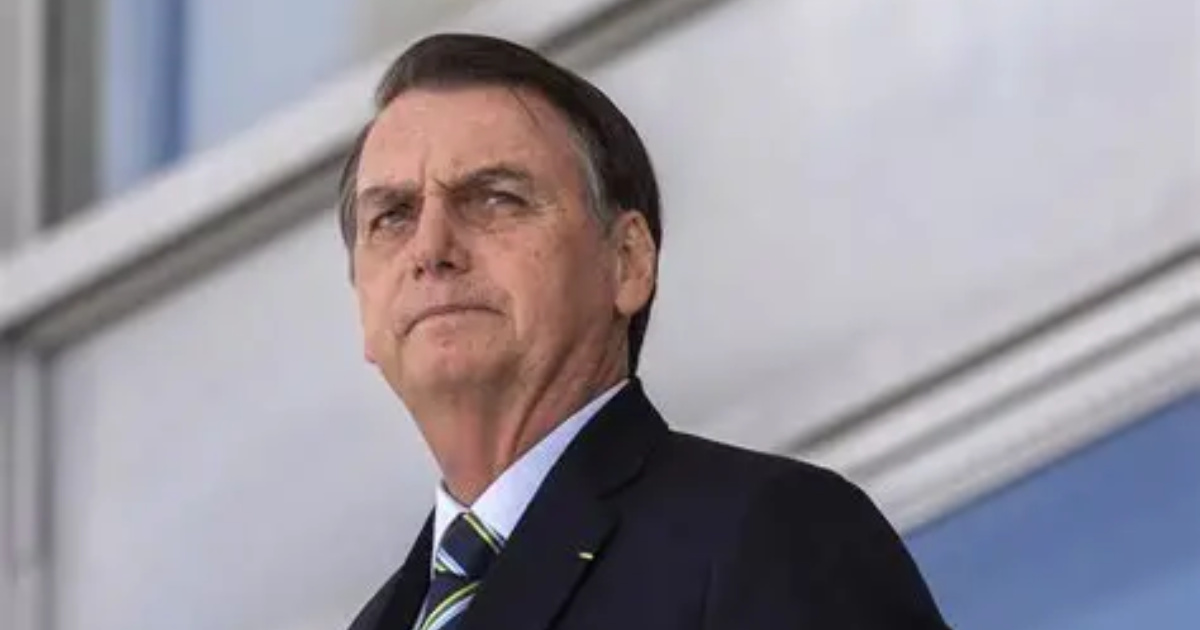
“He hasn’t even been judged, and he already wants amnesty? He is saying he is already guilty and wants to be forgiven?”
He then added: “First, he has to prove his innocence. He has to prove that there wasn’t a truck with a bomb at Brasília airport, he has to prove that there wasn’t a plan to kill Lula, Alckmin, and Moraes.”
External Pressures And Sanctions As A Bargaining Chip
The debate on amnesty has been used by Bolsonarist sectors in discussions with foreign actors, according to reports from political interlocutors.
The original text states that deputy Eduardo Bolsonaro has linked the topic to the revocation of sanctions imposed by the United States on Brazil.
Lula, for his part, reinforced that decisions of this nature must obey due legal process and not political bargaining, whether internal or external.
Comparison With The Capitol Attack
The day before, the president had already positioned himself on the accountability of leaders in cases of attacks on democratic order, recalling the invasion of the Capitol in January 2021, in Washington.
Referring to Donald Trump, Lula stated that “if what happened at the Capitol had happened in Brazil, he would also be judged here.”
And he concluded with a reaffirmation of national autonomy: “We are not that big, we are not that rich, we don’t have that many weapons, that much money, but we have learned that we are a proud people, and the one who rules Brazil is the Brazilian people and no one else.”
What Comes Next For The Sovereignty Agenda
The announcement of the council for critical minerals opens a public policy front involving mining, the environment, industry, and foreign relations.
According to Lula, the coordination will be at the Palácio do Planalto, with the participation of the Ministry of Mines and Energy and the Civil House.
The government’s expectation is to use sector governance to avoid the export of commodities without added value and attract factories and research centers. “Whoever wants to, come produce here”, he reiterated.
Meanwhile, the Planalto is trying to rebuild channels with Washington amid tariff disputes and strategic chains.
Domestically, the focus remains on conducting investigations and trials related to the events of January 8, which continue to resonate in the political arena.
The evolution of these two axes — economic sovereignty and institutional stability — should guide the upcoming moves of the government and the temperature of the relationship with the US.
In this context, Lula’s defense of autonomy, materialized in the control of strategic resources and respect for judicial institutions, is likely to guide commercial and diplomatic negotiations in the coming months.
It remains to be seen how the White House will react to Brazilian rules for critical minerals, and how the debate on amnesty and criminal accountability will influence bilateral dialogue and the domestic environment.