Portuguese
  Spanish


China Shuts Down 342 Power Plants and Removes 300 Dams on the Chishui River to Save Endangered Species Such as the Yangtze Sturgeon.
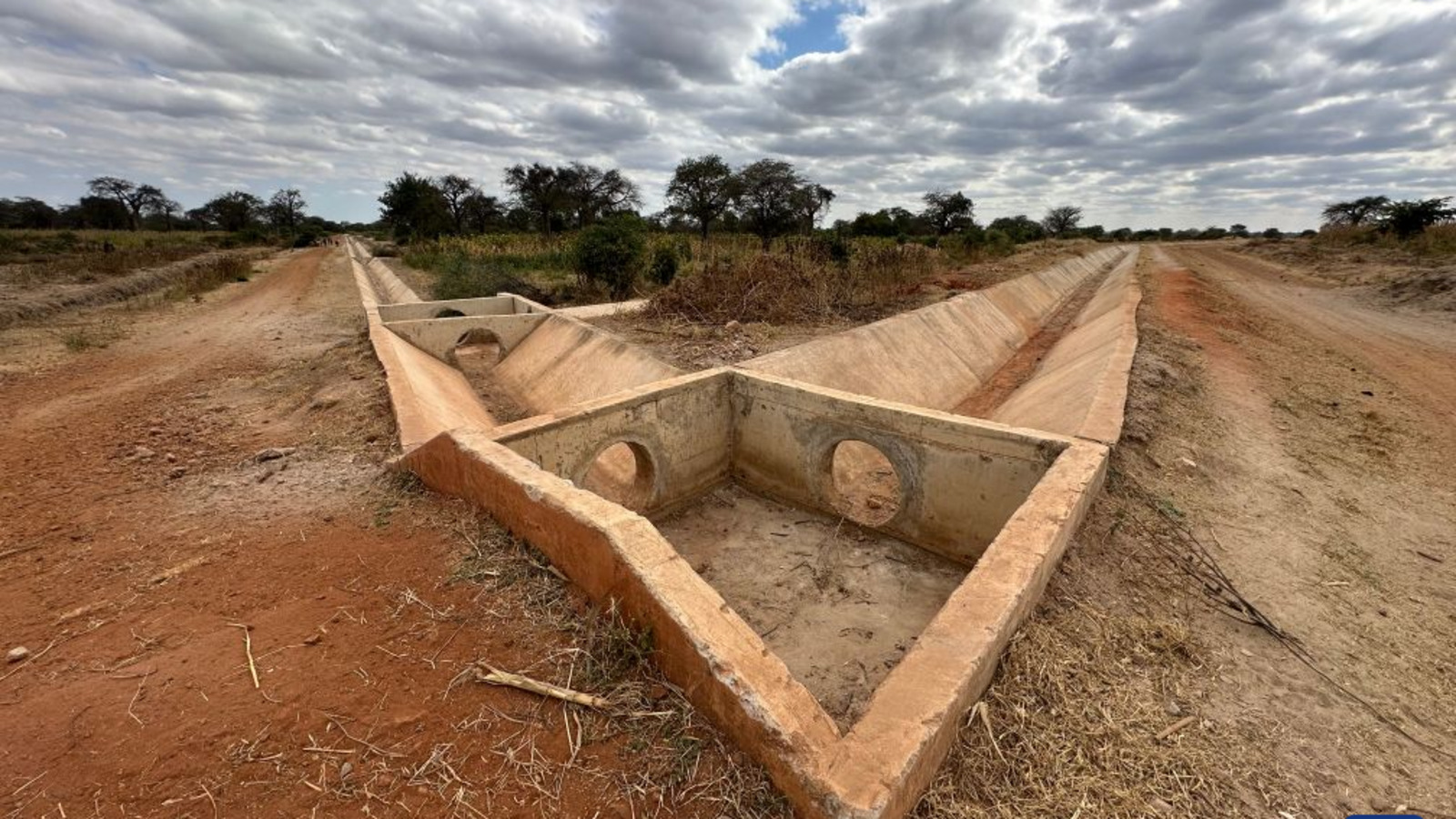
China has initiated one of the largest river environmental restoration operations on the planet. The country claims to have dismantled 300 dams and closed over 90% of the small hydropower plants along the Chishui River.
The initiative aims to restore the natural flow of water, reconnect habitats, and allow the migration of endangered species such as the Yangtze sturgeon.
A Crucial Tributary for Biodiversity
The Chishui River, also known as the Red River, flows over 400 kilometers through the provinces of Yunnan, Guizhou, and Sichuan.
-
Texas Teens Win $50,000 at World’s Largest Science Fair for Developing Non-Surgical Brain-Controlled Bionic Prosthesis with 98% Accuracy

-
Samsung Galaxy A27 Launches with 6.7-inch Super AMOLED Display, Full HD+ Resolution, Android 16, Six Years of Updates, Snapdragon 6 Gen 3, and Dust and Splash Resistance; Available for Pre-order in the US for $350

-
Five Brazilian Students Invent Drug Test Pen That Detects Date Rape Drugs in Seconds
-
Viedma Glacier Retreat in Patagonia Uncovers 900-Meter-Deep Basin, Making Viedma the Deepest Lake in the Americas


It is considered one of the last refuges for rare and endemic fish of the upper Yangtze. Until recently, its course was fragmented by hundreds of dams and small power plants.
Since 2020, the Chinese government has initiated a large-scale demolition process.
According to data from the state agency Xinhua, by the end of 2024, 300 of the 357 dams had been removed. Of the 373 small hydropower plants installed along the river, 342 have been decommissioned.
Direct Impact on Native Fish
With the removal of barriers, the natural flow of water has returned. Habitats have been reconnected and migratory routes reopened.
This has had a direct effect on the Yangtze sturgeon, a species considered extinct in the wild by the IUCN in 2022.
Researcher Liu Fei, from the Chinese Academy of Sciences, reported that the new condition of the river meets the reproductive needs of the sturgeon.
His team has already released two batches of captive-bred fish into the Red River, between 2023 and 2024.
In April 2025, 20 adult specimens were released in the Guizhou section of the river for natural breeding tests.
Still in the same month, scientists detected spawning behavior and the hatching of fry. This had not occurred since the year 2000.
Decades of Human Interference
Fish populations in the Yangtze Basin have suffered severe losses in recent decades.
Hydropower development has altered natural flows, reduced oxygen in the water, and prevented fish from reaching spawning areas.
According to Professor Zhou Jianjun from Tsinghua University, recovery can occur even without the complete demolition of structures.
For him, the important thing is to change water control to meet ecological balance, even if part of the infrastructure remains.
More Than Just Dam Removal
The Chinese plan goes beyond demolitions. In 2020, the country adopted a ten-year fishing moratorium, prohibiting commercial activities in major rivers.
There were also measures against sand mining and greater control over new hydropower projects.
In the Sichuan province alone, more than five thousand plants had been refurbished by 2021, with 1,223 being closed.
This process was highlighted in the 2023 biodiversity statement released by the central government.
The report indicated consistent improvements in water quality and the recovery of aquatic ecosystems.
Species of fish, invertebrates, and amphibians showed signs of growth. Sand mining, which affects riverbeds, has decreased significantly.
A New Model of River Management
The recovery of the Chishui River offers a concrete example of how it is possible to reverse severe environmental damage caused by hydropower infrastructure.
The change in the management model of Chinese rivers indicates a new focus: instead of prioritizing just energy generation, the country is placing ecological preservation as a priority.
Even though the Yangtze sturgeon still faces extinction risk, the results already observed in the restored tributary represent an important step.
The success of spawning in a natural environment could be the beginning of a new phase for the country’s rivers.