Portuguese
  Spanish


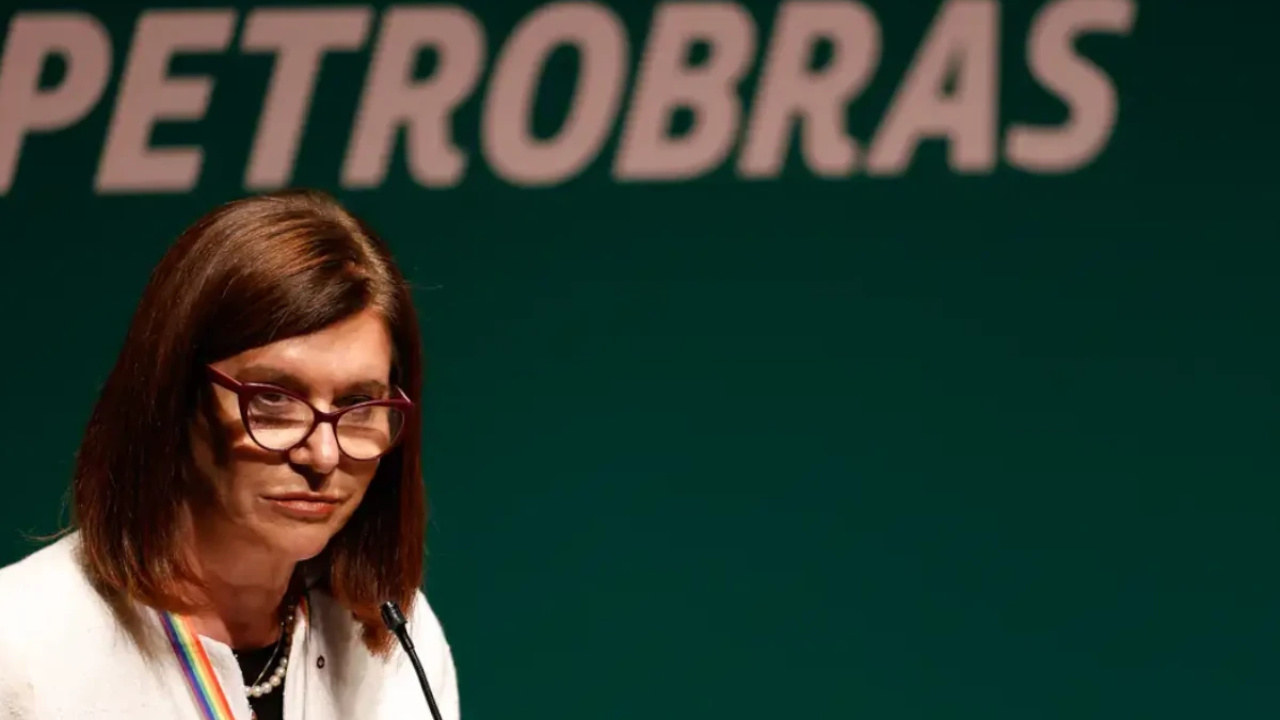


During Event at Firjan, Petrobras President Magda Chambriard Claimed That Oil Is Not the Villain of Emissions and Criticized Limitations on Scope 3 Reduction. The Executive Also Expressed Concern About the Impasse of Environmental Licensing at the Mouth of the Amazon.
Amid the growing debate on energy transition, Petrobras President Magda Chambriard once again defended the importance of oil for Brazil’s economic and social development. During a meeting organized by the Federation of Industries of the State of Rio de Janeiro (Firjan) last Tuesday (14), the executive stated that the fossil fuel has been unfairly pointed out as the major villain of global greenhouse gas emissions.
“Oil is not this villain of emissions,” Magda stated, commenting on the need to balance economic growth with sustainability.
This statement reinforces the leader’s stance to keep Petrobras firm in its exploration and production projects, even in the face of environmental criticism. For her, oil remains essential to ensure energy security and social well-being in the country.
-
The Chamber releases R$ 10 billion to hold the price of diesel until December and proves that Brazilian fuel remains tied to Congress.

-
It’s official: Petrobras takes 75% of block 3 in São Tomé and Príncipe and debuts as an offshore operator outside South America.
-
With a record production of nearly 3 million barrels per day, Petrobras resumes importing diesel in July, highlighting the bottleneck in Brazilian refining.
-
Qantas and Airbus Invest in Company Aiming to Convert Unsorted Household Trash into Jet Fuel


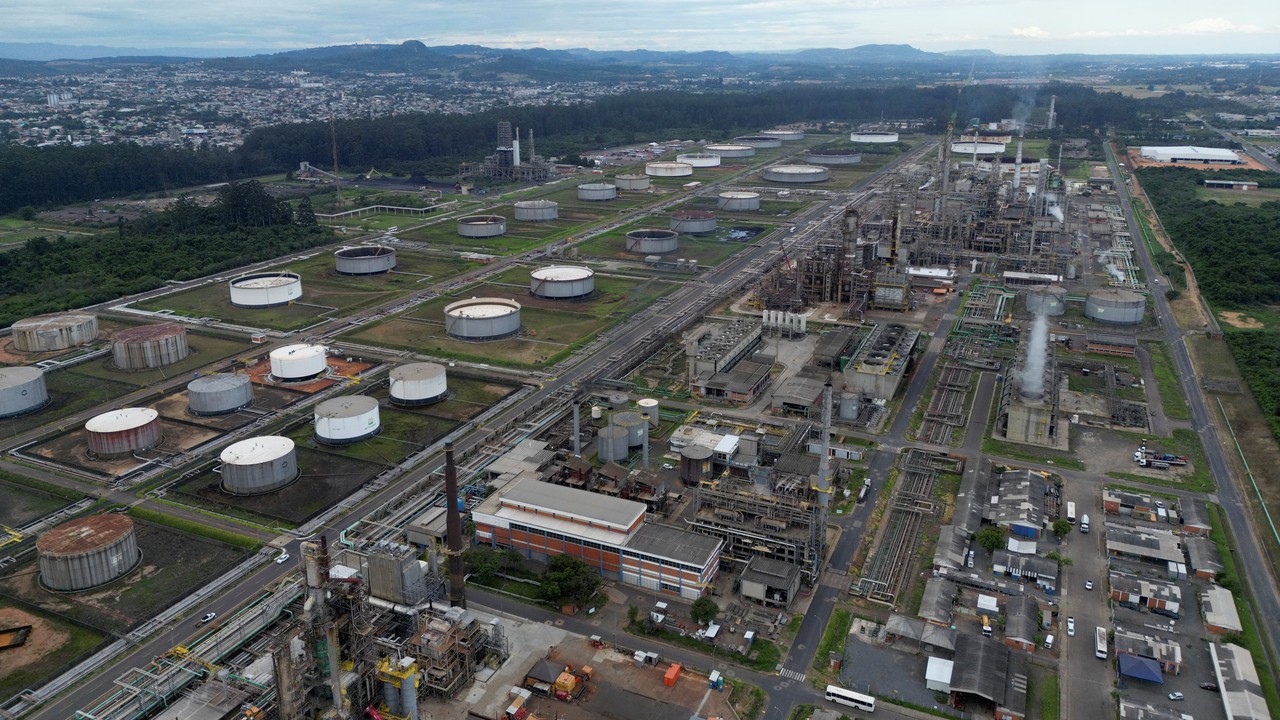

Petrobras and Agriculture: Alliance for Emission Reduction
Magda Chambriard also highlighted the importance of a partnership between the oil and agriculture sectors as a way to promote sustainable development. According to the president, both sectors can work together in search of solutions that reduce emissions and strengthen the national economy.
However, critics point out that agriculture is the main responsible for greenhouse gas emissions in Brazil, especially due to deforestation and the expansion of agricultural frontiers. Despite this, Magda argued that “climate issues and social development must go hand in hand,” advocating that the country needs to balance environmental and social policies.
“If we want to live better for the sake of climate, we also want social well-being,” she declared.
Petrobras Says It Is Aligned with the Paris Agreement, but Faces Criticism
The president assured that all Petrobras’ emission reduction projects and policies are within the parameters established by the Paris Agreement, including initiatives aimed at the Equatorial Margin, Pelotas Basin, and pre-salt.
She stated, however, that the company faces limitations regarding the reduction of so-called Scope 3 emissions, which are those generated by the consumption of fossil fuels. According to Magda, this restriction is not a corporate decision, but rather a regulatory barrier.
“It is not Petrobras that refuses to reduce Scope 3. Brazil is preventing Petrobras from doing so. We need to work on the [Future Fuel] program and see how our co-processed [fossil diesel with vegetable oil] will participate in this mandate,” she explained.
In practice, the executive acknowledged that the decarbonization of fuels depends on subsidies and government incentives, reinforcing the need for long-term public policies for the energy sector.
Licensing at the Mouth of the Amazon Generates Impasse and Political Tension
Another point that dominated the speech of the Petrobras president was the situation of environmental licensing for drilling a well in the FZA-M-59 block, located at the Mouth of the Amazon. Ibama requested new requirements before allowing the operation and proposed a meeting with the state-owned company for this Wednesday (16).
Magda expressed concern about the contractual deadline of the ODN-II platform from Foresea, which would be used in the exploratory campaign. The contract for the rig expires on October 21, which she stated increases pressure on technical decisions.
“We are concerned about ODN-II because the contract deadline is running out,” the executive warned.
The impasse between Petrobras and Ibama has generated intense political debate and reactions from environmentalists, who warn of the risks of exploration in the Amazon region, considered a highly sensitive ecosystem.
Petrobras Challenges Survey Showing Popular Rejection of Exploration at the Mouth
Amid the controversy, Petrobras also reacted to a Datafolha survey that revealed that 61% of the Brazilian population opposes oil exploration at the Mouth of the Amazon.
According to media outlets such as Folha de S.Paulo, O Globo, and Economia em Pauta, the company classified the result as “strange,” claiming that previous internal surveys, conducted with the support of independent institutes, showed a different public perception on the subject.
The state-owned company’s response reinforces the confrontational tone adopted by the current management in the face of environmental criticisms. Magda Chambriard has reiterated that Brazil cannot forego exploring its reserves, especially in a context of global energy demand and the need for economic growth.