






 Portuguese
  Spanish
  4 min of reading
  0 comments



Avenue Extending 42 Km Integrates Three Cities, Offers Diverse Public Transportation, and Has Been Globally Recognized for Its Role in Urban Mobility.
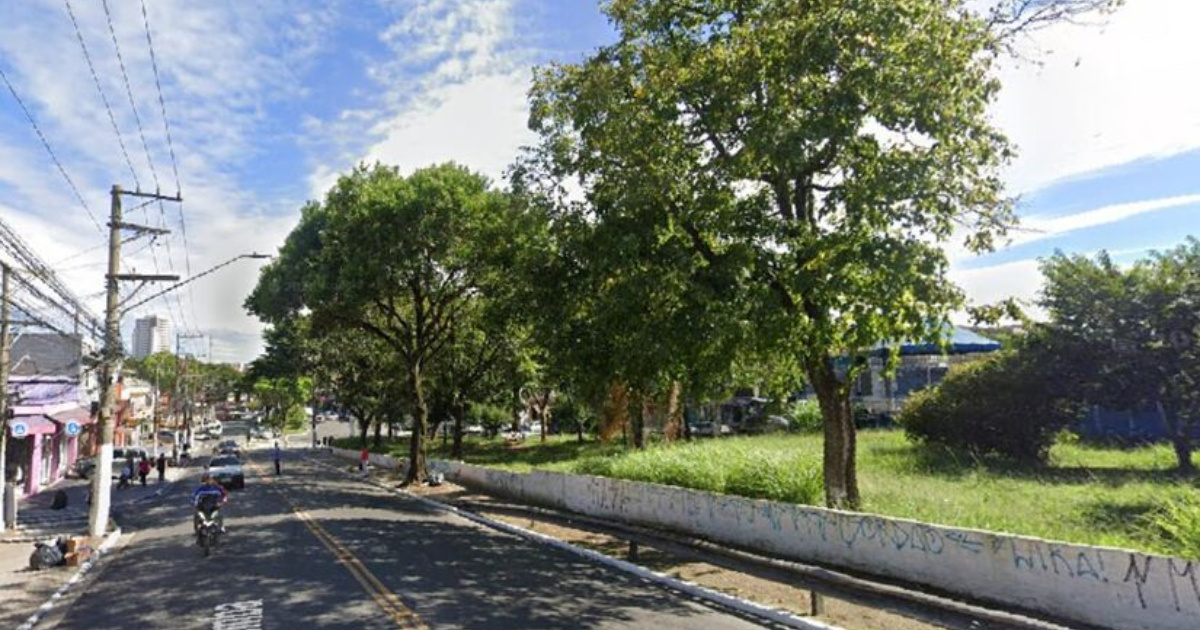
The Sapopemba Avenue, in São Paulo, entered the Guinness World Records in 2024 as the largest avenue in Brazil, with its 42 kilometers in length.
The title brought even more visibility to a road that was already recognized for connecting diverse regions, integrating different modes of transport, and having a presence in three cities: São Paulo, Mauá, and Ribeirão Pires.
In the daily life of the capital, the avenue is essential for the movement of thousands of people.
-
Survivor of 1966 SS Daniel J. Morrell Shipwreck in Lake Huron Recounts 38-Hour Ordeal in Extreme Cold

-
The Greatest Hoax in World Cup History? The Film That Denied Brazil’s 1958 Victory and Exposed How Fake Evidence Can Seem Convincing on TV
-
Fake South Korean Online Stores Offer Shopping Thrill Without Spending Money or Receiving Products
-
The War of Jenkins’ Ear: How a Severed Ear Sparked One of the 18th Century’s Most Unusual Conflicts


There are 40 bus lines serving the avenue, which is also crossed by the Line 15-Silver of the metro, facilitating mobility in populous neighborhoods such as Jardim Planalto, Sapopemba, Fazenda da Juta, and São Mateus.
Along the route, about 1,700 light posts ensure more safety for drivers and pedestrians who circulate daily.
Origin and Recognition of Sapopemba Avenue
The beginning of Sapopemba already reveals its strategic importance.
The avenue connects Avenida Salim Farah Maluf, in the east zone, to the center of Ribeirão Pires, facilitating access between different urban areas and metropolitan regions. As it progresses, the road changes its profile and administration.
Upon reaching Mauá, it is managed by the Department of Highways (DER) and receives the designation SPA-052/031, highlighting its roadway role in part of the route.
The name Sapopemba has indigenous roots, coming from Tupi-Guarani: “sapó” (root) and “pem” (flat), referring to the typical vegetation of the area before the advance of asphalt and constructions.
This connection with the natural history of the region remains alive in the memory of older residents and in etymological records.
History and Urban Development
The origin of the avenue dates back to the 19th century, a period when the region was occupied by dirt roads aimed at agricultural drainage.
Sapopemba was designed to connect rural producers to consumer markets, and even with the urbanization process, it maintained a good part of its original layout, unlike other roads that were modified over the decades.
With the growth of the east zone and the emergence of new neighborhoods, the avenue underwent widening and paving works, especially from the second half of the 20th century.
Since then, it has consolidated itself as one of the main arteries of circulation, essential for workers, students, and merchants.
Dispute for the Title and Guinness Criteria
The recognition from Guinness came alongside a long-standing discussion about which would be the true largest avenue in Brazil. Residents of Rio de Janeiro often point to Avenida Brasil, which is 58 kilometers long.
However, a large part of the Rio route fits as a federal highway, a criterion that, according to experts and the rules of Guinness, excludes it from the competition for the title of largest urban avenue.
This debate fuels the historical rivalry between the two capitals.
While Rio highlights the length of Avenida Brasil, São Paulo claims leadership for the urban and multifaceted profile of Sapopemba, which serves various residential neighborhoods, commercial hubs, and industrial sectors.
Urban Mobility and Daily Life Along Sapopemba
Sapopemba transports thousands of people daily and is also the subject of recordings and videos, such as the one produced by the channel “Filosofia Duas Rodas,” which traversed the entire route, showing the landscape transformations and mobility challenges in each section.
The avenue is also a constant target for improvement requests. Public agencies, neighborhood associations, and social movements work to enhance security, promote reforms, and improve integration with other modes.
Recently, projects have aimed to make the route more accessible to pedestrians and cyclists, keeping pace with the changes in the city.
Integration, Local Impact, and Future Challenges
With population expansion and the increasing demand for public transport, Sapopemba has become a reference in connectivity.
Merchants report increased foot traffic due to proximity to the avenue, and residents acknowledge the road’s role in facilitating access to schools, hospitals, and employment centers.
More than just a connecting road, the Sapopemba Avenue reflects the ongoing transformation of São Paulo and the challenge of creating solutions for increasingly heavy traffic.
The title of largest avenue in Brazil not only celebrates its grandeur but highlights the importance of urban planning to keep up with the growth of cities.





-

1 person reacted to this.