






 Portuguese
  Spanish


Between Peru And Bolivia, Lake Titicaca Surprises Tourists And Scientists With Its Immensity More Than 3,800 Meters Above Sea Level, Blending Culture, History And Nature In One Fascinating Destination
Have you ever imagined sailing on a lake so large it feels like an ocean, but is situated more than 3,800 meters above sea level? This is Lake Titicaca, considered the largest navigable lake in the world. Located between Peru and Bolivia, it is not only a natural wonder but also a center of ancient culture, home to Inca legends and the site of impressive archaeological discoveries.
Throughout the centuries, Titicaca has been described as sacred by Andean peoples, in addition to housing unique biodiversity and communities that still live traditionally. As National Geographic highlighted in its publications, the lake is one of the main tourist attractions in South America and continues to attract visitors in search of adventure, spirituality, and history.
A Blue Giant in the Heights of the Andes
Lake Titicaca has a total area of 8,372 km², with a length of 190 km and a width of 80 km, making it larger than some entire countries. Despite its vastness, what impresses the most is the altitude: located 3,812 meters above sea level, it defies imagination by being considered navigable, with boats crossing its waters daily.
-
Brazilian Innovator Develops Concrete Blocks from Recycled Plastic, Eliminating Mortar and Reducing Construction Costs

-
World’s Most Powerful MRI Machine in France, Weighing 132 Tons and Generating 11.7 Tesla Magnetic Field, Offers Unprecedented Clarity of the Human Brain
-
Brazilian Woman Builds House with Recycled Plastic Bottles, Halving Construction Costs in the Process
-
The U.S. is Repurposing Giant Retired Wind Turbine Blades in an Ambitious Project to Tackle Energy Transition Waste


Its depth is also surprising: in some areas, the lake reaches 280 meters, creating ideal conditions for unique aquatic ecosystems. The region’s climate varies greatly, with sunny days and extremely cold nights, which makes visiting even more challenging for those not accustomed to the altitude.


Floating Cities and Inca Legends
Another aspect that transforms Lake Titicaca into a magical destination is the floating islands of the Uros, built from reeds known as totora. On these islands, entire families live traditionally, fishing, sailing on handmade rafts, and welcoming curious tourists to learn about their culture.
According to Inca tradition, it was in the waters of Titicaca that Manco Cápac and Mama Ocllo, children of the Sun god, emerged as the founders of the Inca Empire. This mythical narrative reinforces the spiritual importance of the lake for the Andean peoples, who still celebrate rituals related to fertility and harvest along its shores.
Underwater Archaeology and International Tourism
The deep waters of Titicaca hide submerged cities and archaeological ruins that have been studied for decades. In 2000, archaeologists found remnants of temples, roads, and submerged walls, suggesting that pre-Inca civilizations inhabited the region even before the rise of the Incas.
Today, the lake is one of the most sought-after destinations for tourists in Peru and Bolivia, with cities like Puno and Copacabana serving as gateways. Local tourism boosts the economy, offering boat trips, traditional accommodations, and authentic cultural experiences. As BBC Travel pointed out, the lake is considered one of the most impressive destinations in Latin America, both for its landscape and its history.
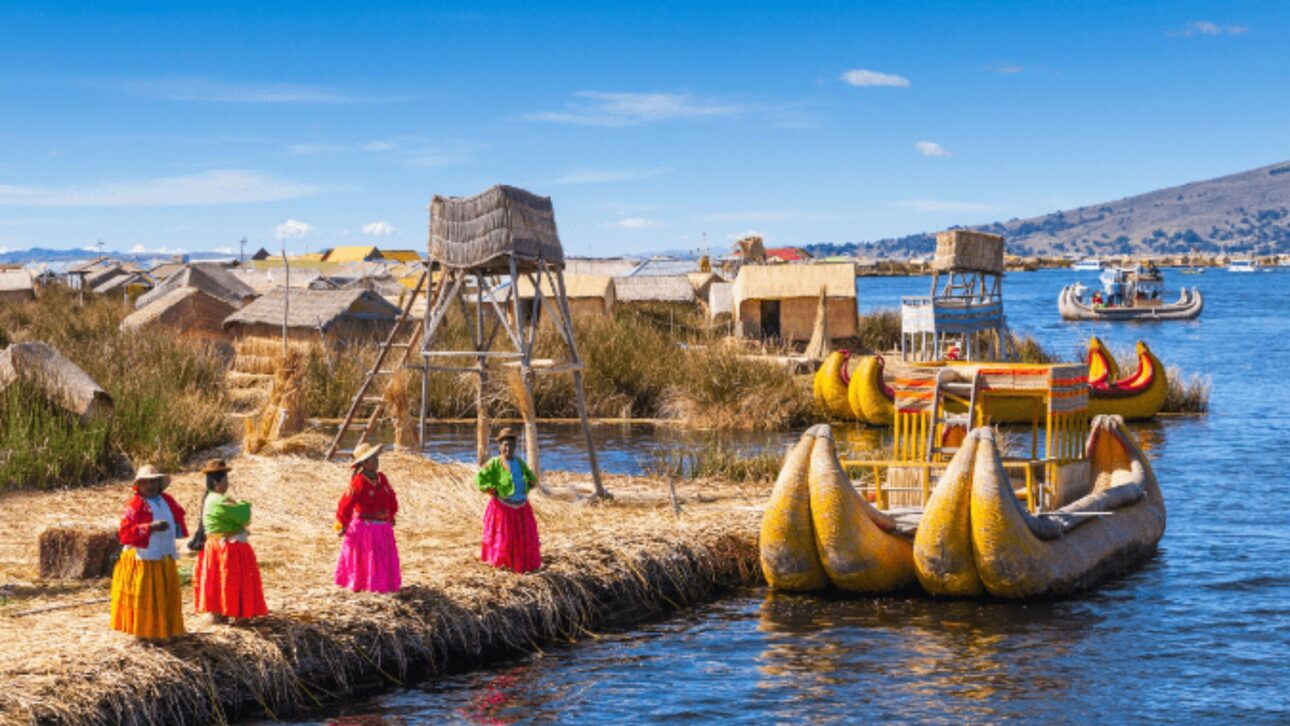
More than just the largest navigable lake in the world, Titicaca is a symbol of the fusion between nature, history, and spirituality. Its waters hold memories of ancient empires, sustain living communities to this day, and inspire scientists to investigate secrets still hidden in the depths.
Visiting Lake Titicaca is diving into a unique setting, where every wave tells an ancient story and every island reveals the resilience of peoples who have learned to live in harmony with a challenging environment.
Have you ever imagined sailing on a lake nearly 4,000 meters above sea level and experiencing up close the traditions that have endured for centuries in the waters of Titicaca?


Hernan você está enganado. Reveja sua geografia.
Estão falando altitude. Lago Titica é o lago navegável mais alto do mundo!
Tem um erro ao dizer que é o maior lago navegável do mundo. É o maior de América do Sul. o maior lago do mundo em termos de volume de água doce é o Lago Baikal na Rússia e em extensão é o Lago Superior na América do Norte