





 Portuguese
  English
  Spanish
  4 min of reading
  0 comments


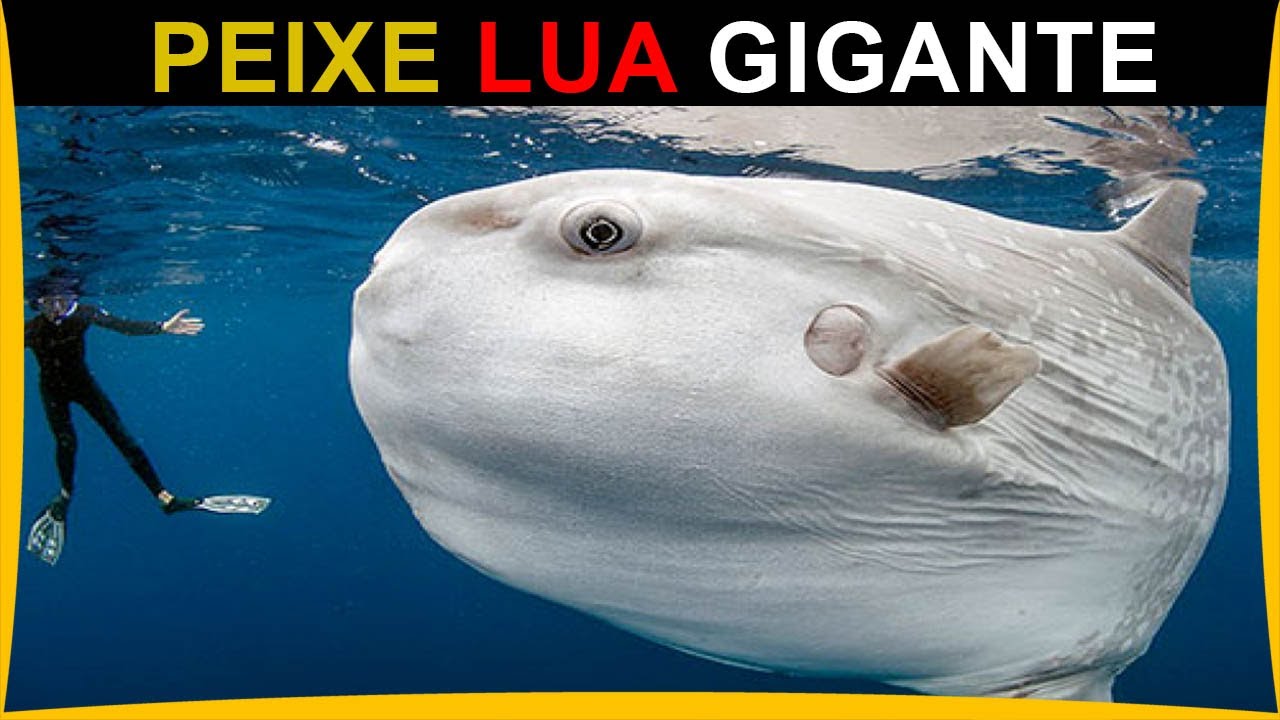
Largest Bony Fish in the World, the Sunfish Can Weigh Over 2 Tons, Reach the Size of a Car, and Surprise Scientists with Its Unusual Anatomy.
Among the giants of the oceans, few animals seem as improbable as the sunfish, scientifically known as Mola mola. At first glance, it appears to be a mistake of nature: tall body, laterally flattened, almost no tail, and fins resembling wings. Still, this strange shape holds the title of largest bony fish on the planet, surpassing in weight and volume any other known bony fish.
The sunfish is not just large. It completely redefines the idea of what a fish should be.
What Makes the Sunfish the Largest Bony Fish in the World
Scientific records confirm individuals weighing over 2 tons, as well as heights and lengths close to or exceeding 3 meters, dimensions comparable to those of a compact car.
-
Raising tilapia, the most farmed fish in Brazil, with solar-powered tanks is a trend gaining strength in the field because the panels ensure water oxygenation in places without electricity and reduce costs, although profitability depends on management, feed, and market.

-
Now Brazil has moved up a level: flying robots are starting to be tested to harvest oranges on farms, selecting ripe fruits with cameras and sensors, sucking each fruit without dropping it, and promising to help producers in the face of labor shortages in orchards.

-
Stamping on pork may seem strange, but it reveals an important detail about food safety that many people overlook at the butcher shop.

-
China recognizes Brazil as free of foot-and-mouth disease without vaccination and unlocks a new phase for Brazilian meat in the Asian market.




Unlike sharks and rays, which have cartilaginous skeletons, the sunfish has true bones, making its gigantism even more impressive from a biological standpoint.
This combination of extreme mass and bony structure places the sunfish in a unique category within marine zoology.


An Anatomy That Challenges Fish Standards
The body of the sunfish is one of the most unusual in the animal kingdom. It practically has no tail in the traditional sense. Instead, it features a structure called clavus, a kind of rigid “spade” formed by the fusion of the rear fins.
Its dorsal and anal fins are enormous and act as propellers, allowing the animal to move vertically, as if it were “flapping wings” in the water. This swimming method is unique among large fish.
Even with its colossal size, the sunfish may appear slow and clumsy, but it is capable of making long ocean migrations.
How Does a Giant Like This Feed?
Despite its absurd size, the sunfish primarily feeds on low-calorie organisms, such as jellyfish, salps, and other gelatinous animals. This raises one of the biggest questions in marine biology: how can such a large animal survive on a seemingly energy-poor diet.
Research indicates that the sunfish compensates for this by ingesting enormous volumes of food throughout the day and using a metabolism adapted to this type of diet. It also consumes small fish, crustaceans, and plankton when available.
Global Distribution and Presence in the Oceans
The sunfish has a nearly global distribution, being found in tropical, subtropical, and even temperate oceans. It is frequently seen near the surface, especially when basking in the sun, a behavior that has intrigued researchers for decades.
Today, it is known that this habit helps with thermal regulation and also facilitates the removal of parasites by cleaner fish and birds.
Real Predators and Threats

Adults practically have no natural predators, due to their size and thick skin. Only orcas and large sharks can attack adult individuals in specific situations. Meanwhile, the offspring, extremely small at birth, suffer a high mortality rate, which explains the enormous number of eggs produced by females.
The greatest current threat to the sunfish is human activity. Accidental catches in fishing nets, collisions with boats, and ocean pollution put the species under increasing pressure.
Why the Sunfish Intrigues Scientists So Much
Besides its size, the sunfish holds another impressive record: it is the vertebrate that produces the most eggs. A single female can release over 300 million eggs in a single reproductive cycle.
This fact, combined with its extreme body shape and rapid growth, makes the sunfish one of the most studied animals in modern marine biology.
Sunfish Is Not the Largest Fish in the World and That Matters
It is important to clarify a common misconception. The sunfish is the largest bony fish on the planet, but not the largest fish overall. That title belongs to the whale shark, which has a cartilaginous skeleton and can exceed 30 tons.
The distinction is scientific and fundamental.
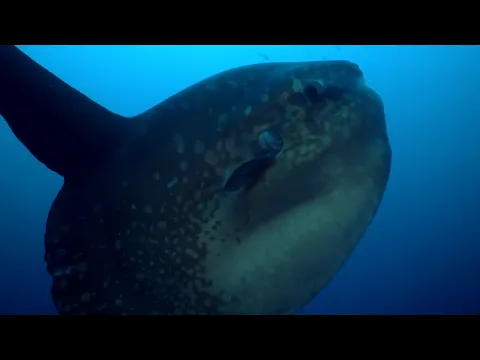
The sunfish is a true living paradox. Weighing over 2 tons, with an improbable shape and unique behavior, it proves that evolution does not follow aesthetic or logical patterns in the eyes of humans.
As the largest bony fish on the planet, the Mola mola not only challenges the traditional anatomy of fish but also reminds us that the oceans still harbor creatures capable of surprising even modern science.








-

-

-

-

7 people reacted to this.