Portuguese
  Spanish


12-Hour Journey, Constant Risk, and Minimum Profit: The Harsh Reality Behind Ride-Hailing and Delivery Apps in Brazil
The promise of freedom and flexible income that attracted thousands of Brazilians to work through apps seems to have lost its appeal. A national survey conducted by GigU, a startup created in 2017 to support drivers and delivery workers with financial and safety solutions, reveals a scenario marked by fatigue, low earnings, and a constant sense of insecurity.
The Illusion of Autonomy and the Reality of Exhaustion
According to the survey, three in five professionals (60.5%) would immediately leave the apps if they had another job option, while 67.9% say they work out of necessity and not by choice. The research dismantles the myth of autonomy in the sector, showing that the work model, once sold as a modern and flexible alternative, has become a symbol of precariousness.
The majority of respondents point to income supplementation (39.5%) as the main motivation for working on the platforms, followed by unemployment (35.8%) and schedule flexibility (31.2%). These numbers evidence that, for many, app-based work is not a strategic choice, but a way out due to the lack of formal opportunities in the market.
-
Dismissing a retired worker or one eligible for retirement constitutes ageism and creates a duty to compensate: a unanimous decision by the TRT mandates reinstatement to employment, payment of back wages, and upholds compensation of R$ 15,000 for discrimination.

-
Work less and produce more? Nobel Prize in Economics explains why shorter workdays can increase productivity

-
Unions are growing again in Brazil after more than a decade, but they face an urgent challenge to win back digital workers and maintain relevance.
-
From the typewriter to the home office: how work has changed and why new generations think differently



High Costs, Tight Profits, and Insecurity
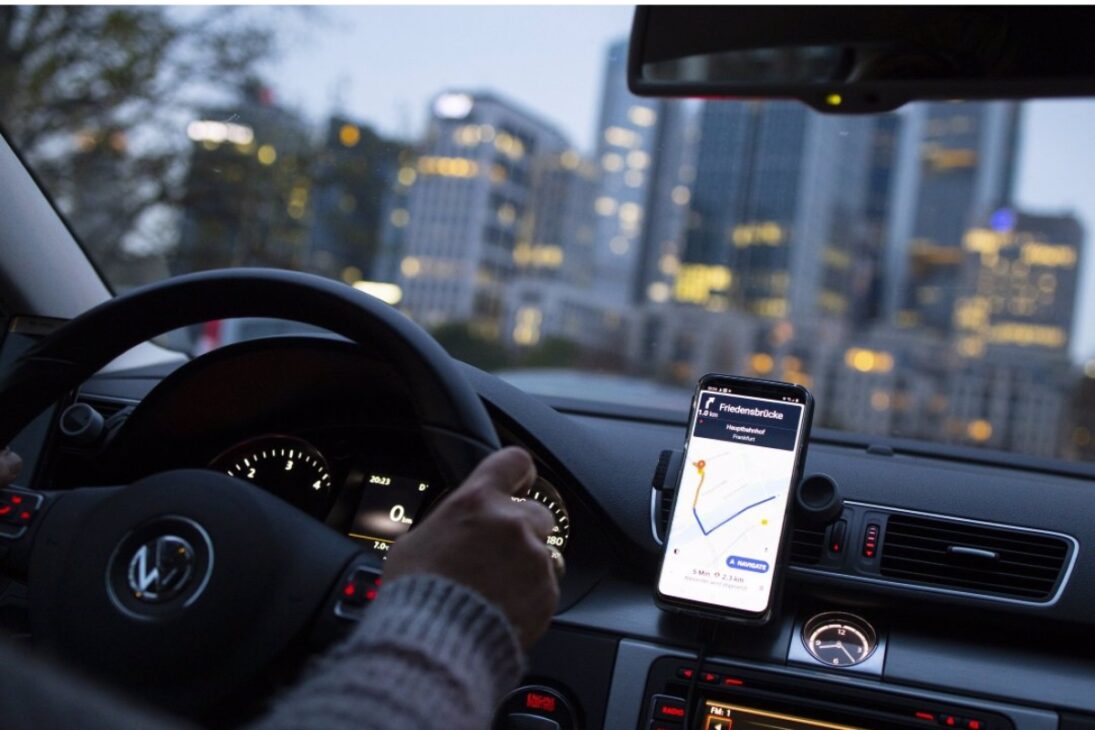
The survey listened to over a thousand drivers and delivery workers across the country and found that nearly four in ten (38.3%) earn up to R$ 5,000 per month, but most (74.6%) spend up to R$ 3,500 just to remain active in the role — costs that include fuel, food, maintenance, insurance, and vehicle rental.
These expenses squeeze profits and amplify financial difficulties: 44.2% of respondents report problems paying bills, and 43.2% have delayed basic expenses, such as electricity, water, or gas. The fragile financial situation adds to the physical risk of the job. According to GigU, 59.1% of professionals have been victims of some form of violence or harassment, and only 3.4% feel completely safe during their shifts.
The result is an environment of distrust and exhaustion. For 77.3% of workers, app companies do not care about their well-being. “The worker feels they are always being watched but rarely heard. There is a lack of clarity about blocking criteria, fees, and earnings,” says Luiz Gustavo Neves, CEO and co-founder of GigU.
The Call for Change and Dignity
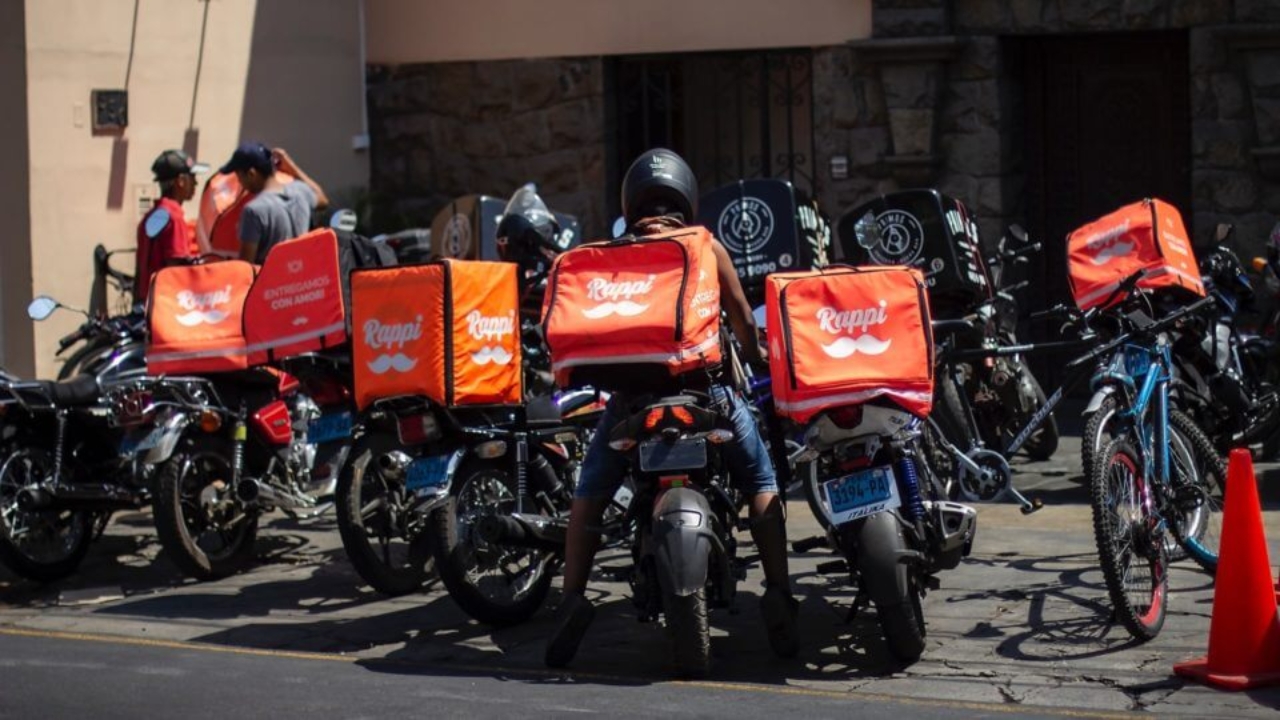
The survey also reveals a lack of transparency in relationships with the platforms: 58.2% of respondents say that companies do not make clear the amounts paid, the fees charged, and the reasons for account blocking, and 15.5% say they have been suspended without explanation.
When asked what would make work more dignified and sustainable, 96.4% of participants replied that the main point would be an increase in the fare rates for rides and deliveries, while 75.1% advocate for a reduction in the fees charged by the platforms.
Other pointed factors were more safety during activities (58.8%), better support and service (54%), and transparency in relationships (57.2%).
In a scenario where the promise of freedom has turned into economic dependence, GigU’s study reinforces the need to rethink the app-based work model in Brazil. The research shows that the much-talked-about digital revolution, when not accompanied by adequate labor policies, ends up reproducing old forms of exploitation in a new technological format.