






 Portuguese
  Spanish


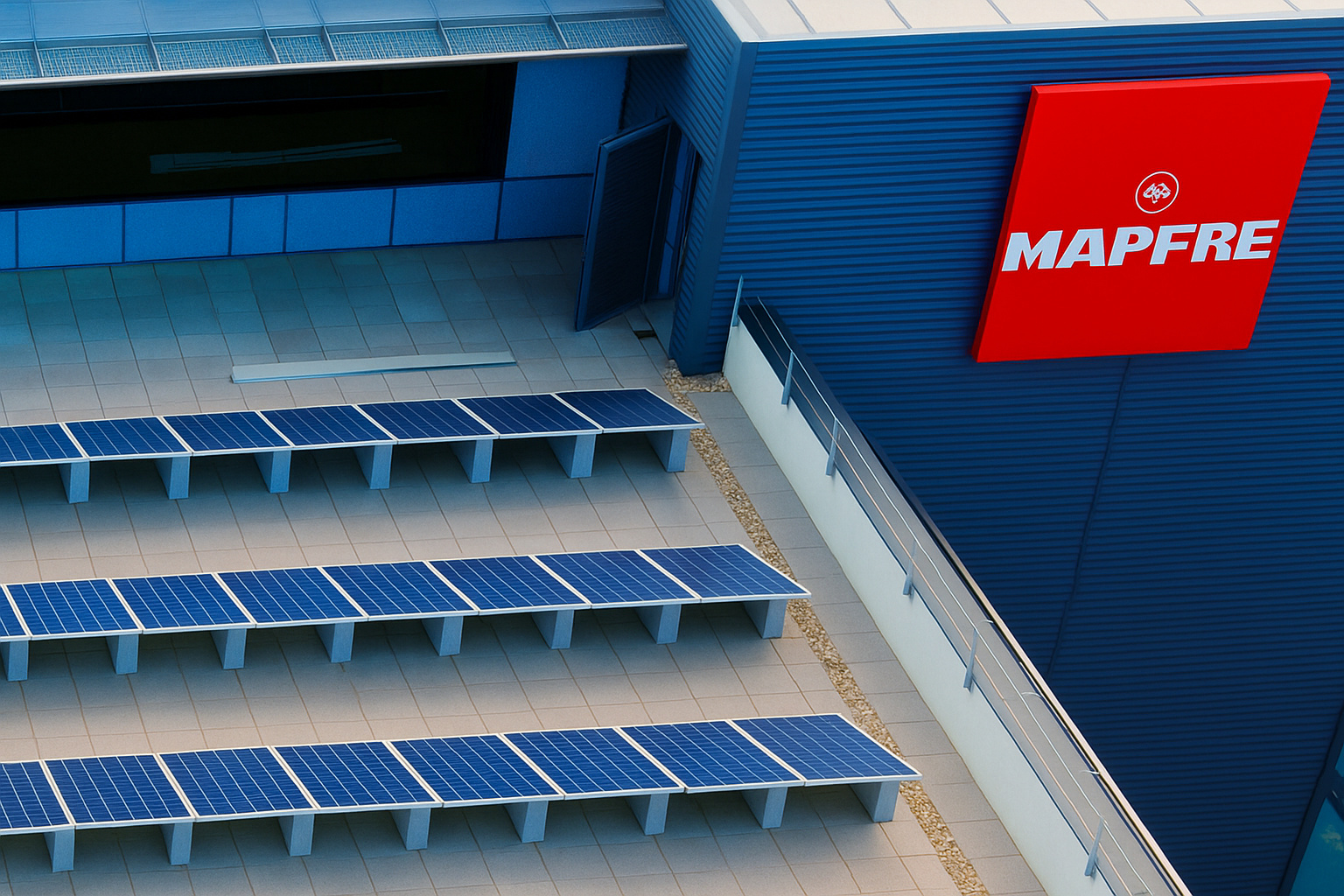

Increase Efficiency and Reduce Impacts with the Consumption of Renewable Energy That Transforms Costs and Strengthens Sustainability
A Mapfre reinforces its commitment to sustainability by increasing the consumption of renewable energy and investing in sustainable mobility. This strategy, in addition to reducing operational costs, shows how large companies can adopt models of energy efficiency that contribute to global decarbonization and ensure long-term competitiveness.
In recent years, the debate on clean energy has gained momentum in different sectors. Therefore, Mapfre has been standing out by implementing practices that reduce the use of fossil fuels and simultaneously boost the utilization of clean sources.
The company’s goal is to neutralize more than 80% of its carbon footprint by the end of 2025, covering 13 countries, including Brazil. This commitment arises from a corporate vision that combines efficient resource management, technological innovation, and environmental responsibility.
-
Brazilian scientists are simultaneously advancing two research projects on clean hydrogen and driving solutions that could transform the energy matrix, enhance industrial competitiveness, and accelerate large-scale emission reduction targets.

-
Advancement in renewable energy: A R$ 150 million project launched by Petrobras and Finep aims to create state-of-the-art electrolyzers for green hydrogen, strengthening national research and preparing Brazil to compete in a billion-dollar energy market.
-
Illiterate or semi-literate grandmothers were trained to repair solar systems, open rural workshops, and light up homes that still depended on kerosene.
-
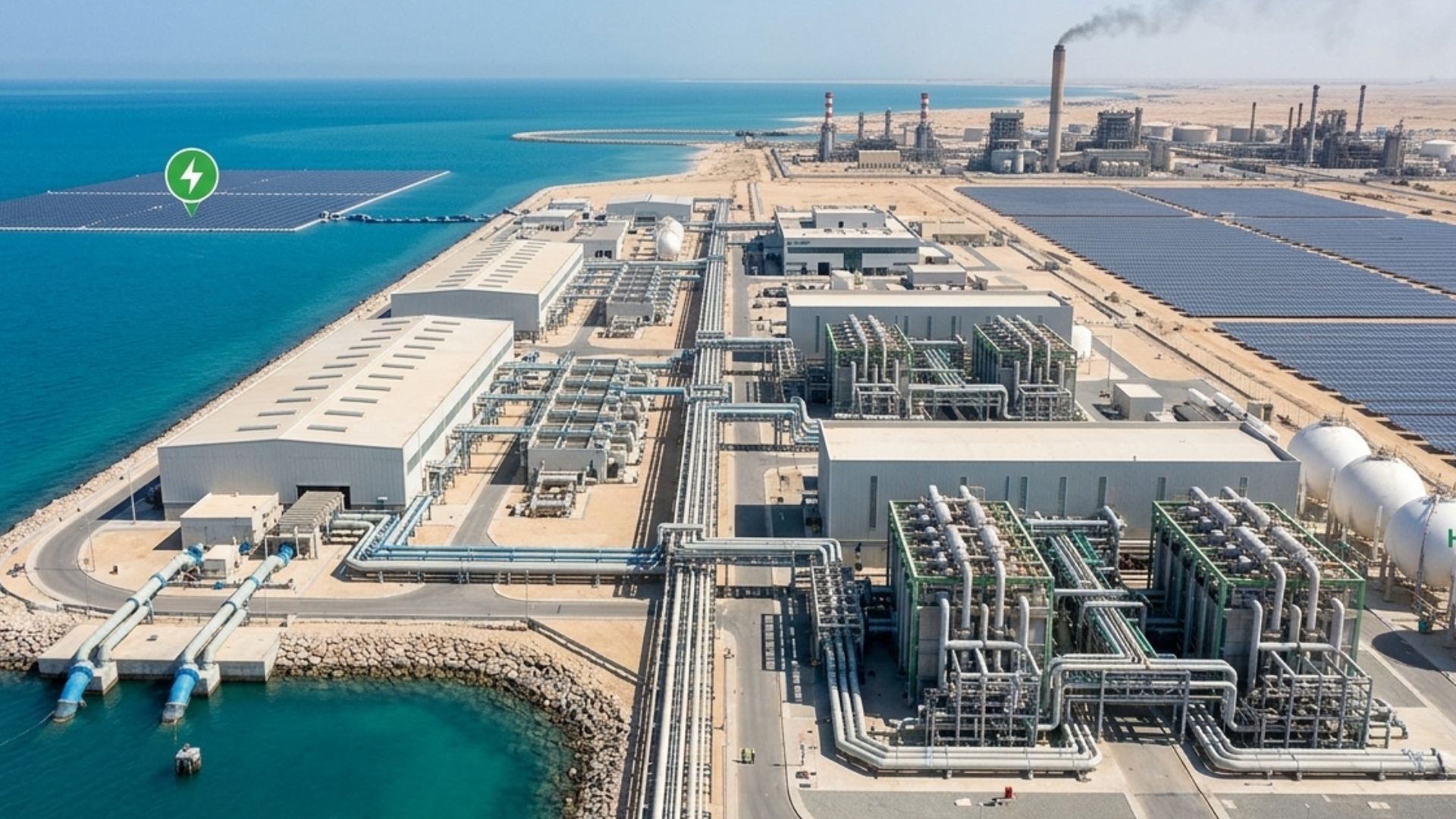
The world has bet on green hydrogen as the fuel of the future, but now faces the side effect: producing 1 kilogram requires about 9 liters of ultrapure water, and the largest projects on the planet are precisely in the driest regions of the Earth, where water is already scarce for people.




Thus, by integrating sustainability and profitability, the company demonstrates that it is possible to grow economically while contributing to the environmental and social balance.
Energy Efficiency and Tangible Results
In 2024, Mapfre avoided the use of approximately 124 thousand liters of fossil fuels, which is equivalent to about 2,500 gasoline tanks.
Therefore, this savings represents significant environmental gains and also substantial reduction in operational costs. As a result, the gradual replacement of the corporate fleet with hybrid and electric vehicles has become one of the main efficiency actions.
In this way, the company has reduced expenditures on maintenance and fuel, strengthening its energy autonomy. Additionally, sustainable mobility has become a central pillar of Mapfre’s environmental policy, which encourages the conscious use of energy at all stages of its operations.
Historically, energy efficiency in the corporate sector gained worldwide prominence after the year 2000, when various companies began to measure and disclose their carbon emissions.
In this context, Mapfre positioned itself as an example of responsible management and focus on sustainable innovation, anticipating goals and exceeding indicators for emission reduction.
Global Advances in Renewable Energy Consumption
In Brazil, the company increased its consumption of certified renewable energy, following a global trend that has solidified over the past two decades.
Moreover, countries like Mexico, Peru, Turkey, and Puerto Rico are also part of the network that operates with clean energy at all units. Currently, 100% of Mapfre’s electricity consumption comes from renewable sources, complemented by in-house solar energy generation.
This change reflects the growing importance of energy transition as a strategic element. Since the beginning of the 21st century, the search for alternative sources, such as solar and wind, has ceased to be only an environmental agenda and has begun to integrate into economic and business planning.
Thus, Mapfre understood early on that reducing emissions and adopting clean energy is not just a matter of image, but also a smart way to ensure stability and competitiveness in the long term.
According to Fátima Lima, director of sustainability at Mapfre in Brazil, renewable energy consumption is an essential part of corporate management.
She emphasizes that sustainability has become “a permanent commitment that transcends borders and connects innovation, efficiency, and responsibility.” In this way, the company demonstrates consistency between discourse and practice.
Long-Term Goals and Global Impact
In 2024, the company managed to reduce its total emissions by 25% compared to 2022, exceeding the initial goal by 15 percentage points.
This reduction equates to 450 tons of carbon dioxide less, which is the same amount that 21 thousand trees absorb annually. Therefore, the positive environmental impact is significant and demonstrates the power of concrete and continuous actions.
The Sustainability Plan 2024-2026 establishes ambitious and measurable goals. Among them are achieving total neutrality by 2030 and net zero emissions by 2050.
Mapfre also intends to reduce its carbon emissions from its investment portfolio by 43% by 2030, reinforcing its active role in transforming the financial and energy sectors.
These goals align with international commitments, such as the Paris Agreement, and follow the trend of large global groups seeking to integrate economic development with environmental protection.
Thus, Mapfre’s trajectory demonstrates that corporate sustainability has ceased to be optional and has become a determining factor in competitiveness and reputation.
Renewable Energy Consumption as a Future Strategy
By betting on renewable energy consumption, Mapfre strengthens a more resilient business model prepared for the challenges of the future.
Therefore, the expansion of clean sources within operations reduces risks associated with oil price volatility and fluctuations in the international market.
In addition, the company works to educate employees and partners about sustainable practices, reinforcing the importance of efficiency in resource use.
The investment in innovation and clean technology generates a positive impact not only on direct operations but also throughout the company’s value chain.
Historically, the advancement of renewable energies in Brazil has played a fundamental role in the diversification of the electricity matrix.
Since the 2000s, public policies and tax incentives have propelled the expansion of solar and wind energy, creating conditions for companies like Mapfre to adopt more sustainable and financially advantageous practices.
Thus, the insurer’s initiative reflects a wider transformation, in which sustainability has ceased to be mere discourse and has consolidated as a management and innovation tool.
The trend is that renewable energy consumption will continue to grow in the coming years, aligning the business sector with global climate neutrality goals.
The Transformative Role of Corporate Sustainability
By integrating renewable energy, electric mobility, and decarbonization goals, Mapfre builds a solid narrative of environmental leadership and corporate responsibility.
In this way, its strategy demonstrates that the balance between efficiency and sustainability is possible and necessary to ensure the future of the upcoming generations.
The company reaffirms that climate change is a collective challenge that requires cooperation among companies, governments, and civil society.
Therefore, renewable energy consumption ceases to be just a technical decision and becomes a symbol of commitment to the planet and social well-being.
With this, Mapfre’s trajectory serves as inspiration for other companies to adopt similar paths.
Thus, it is evident that sustainable development is the most intelligent and viable path for global economic growth.









