Portuguese
  Spanish



The CEO of Meta Invests Over US$ 250 Million in a Giant Complex in Hawaii. But What Does This Really Mean for the Future?
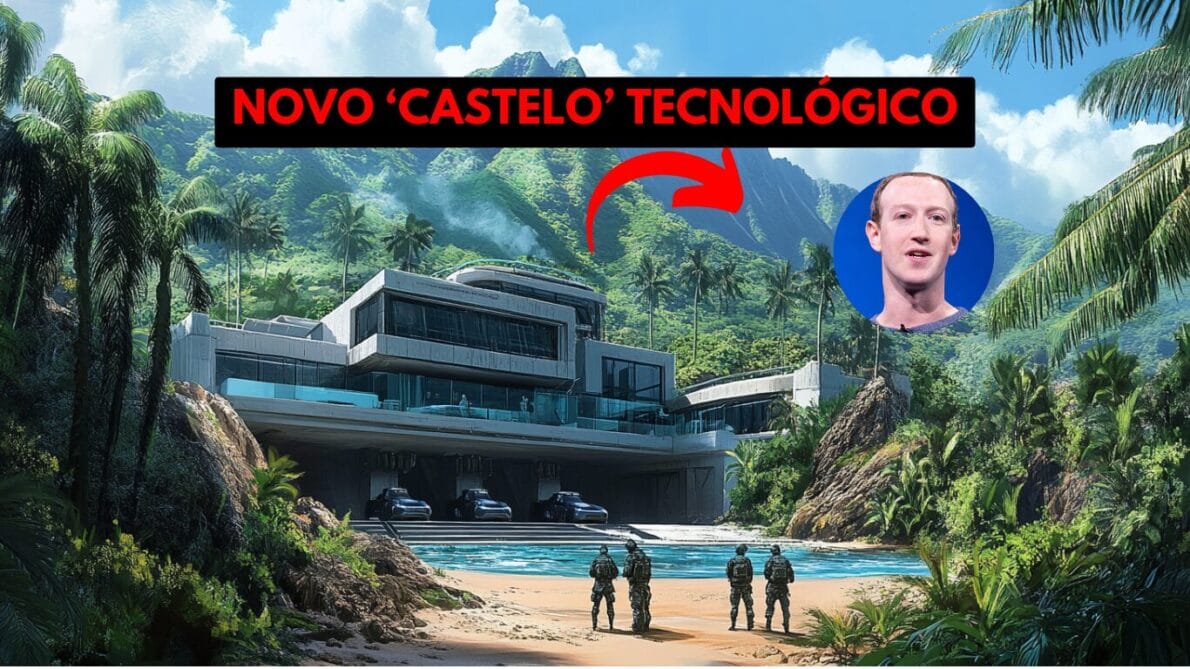
While many of us are just trying to pay the bills at the end of the month, Mark Zuckerberg is spending over US$ 250 million on a royal-worthy property. The CEO of Meta is building a true empire in Kauai, Hawaii. Called Koolau Ranch, the site will house not only two giant mansions but also a forest with tree houses, an impressive 500 m² bunker, and a security system that would make even the most cautious paranoid envious, according to ign. But what does all this really represent?
Koolau Farm: Mark Zuckerberg’s 21st Century Castle
Forget medieval castles with stone towers and water moats. Zuckerberg’s new “castle” brings a technological twist to the concept. With over 15,000 m², the complex includes, in addition to mansions the size of football fields, a vast agricultural area where food is cultivated in a sustainable manner and livestock is raised to ensure nothing is lacking in an eventual apocalypse. Of course, all of this is protected by two-meter-high walls, surrounded by hundreds of cameras, and patrolled by 24-hour security. And if that weren’t enough, there is a huge water reservoir, complete with its own desalination and purification plant.
Although some may see this as the whim of an eccentric billionaire, the truth is that this lifestyle goes far beyond just a vacation home. It is closer to a scenario that directly transports us to technofeudalism.
-
Netherlands Reports First Child Euthanasia Case Since Rule Expansion for Minors

-
Brazilian Innovator Survives Homemade Submarine Dive in Paraty Despite Hatch Leak and False Oxygen Alarm

-
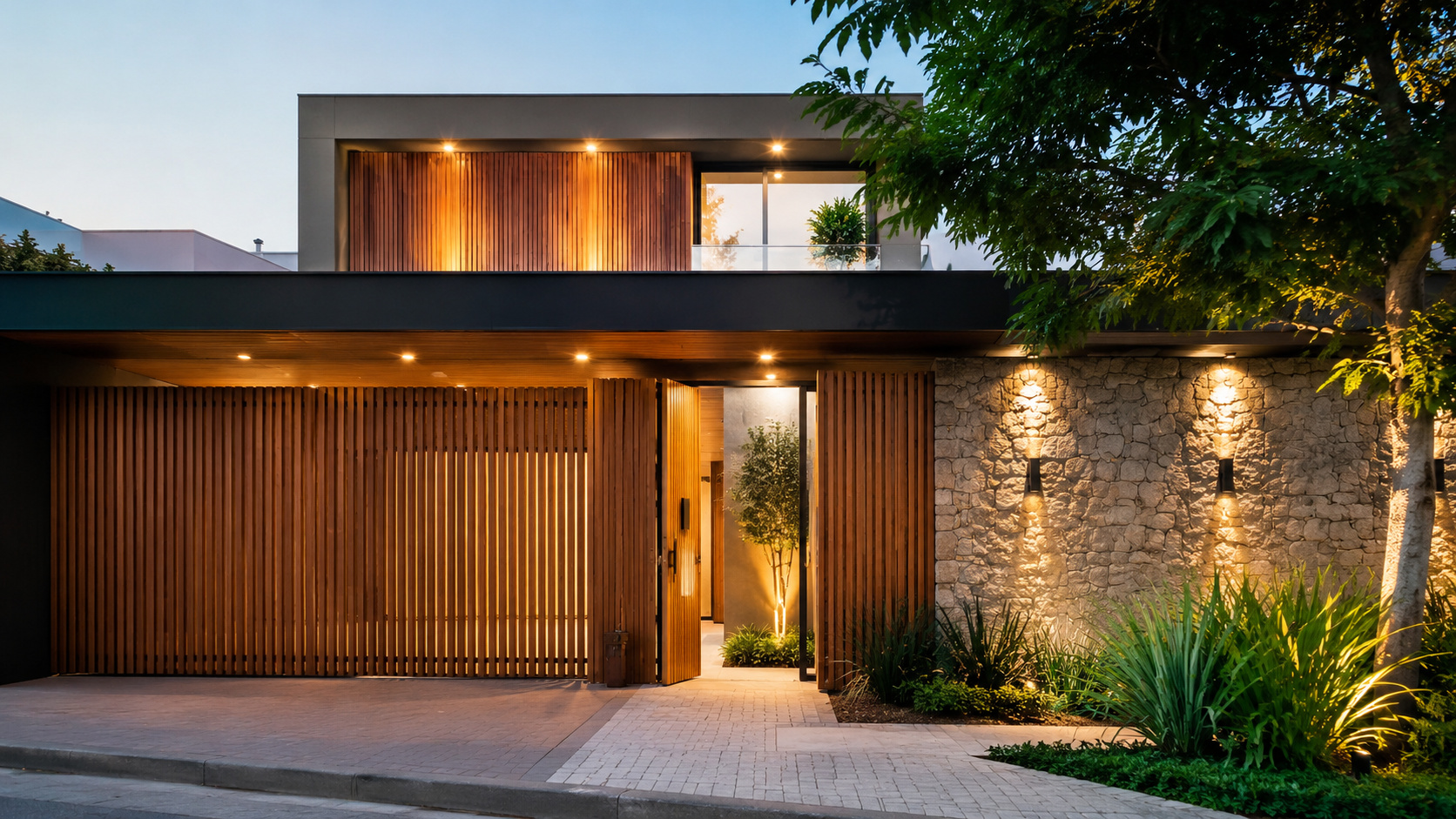
Wood-Look Aluminum Emerges as a High-Tech Alternative for Facades and Gates, Offering Sophisticated Aesthetics and Low Maintenance
-
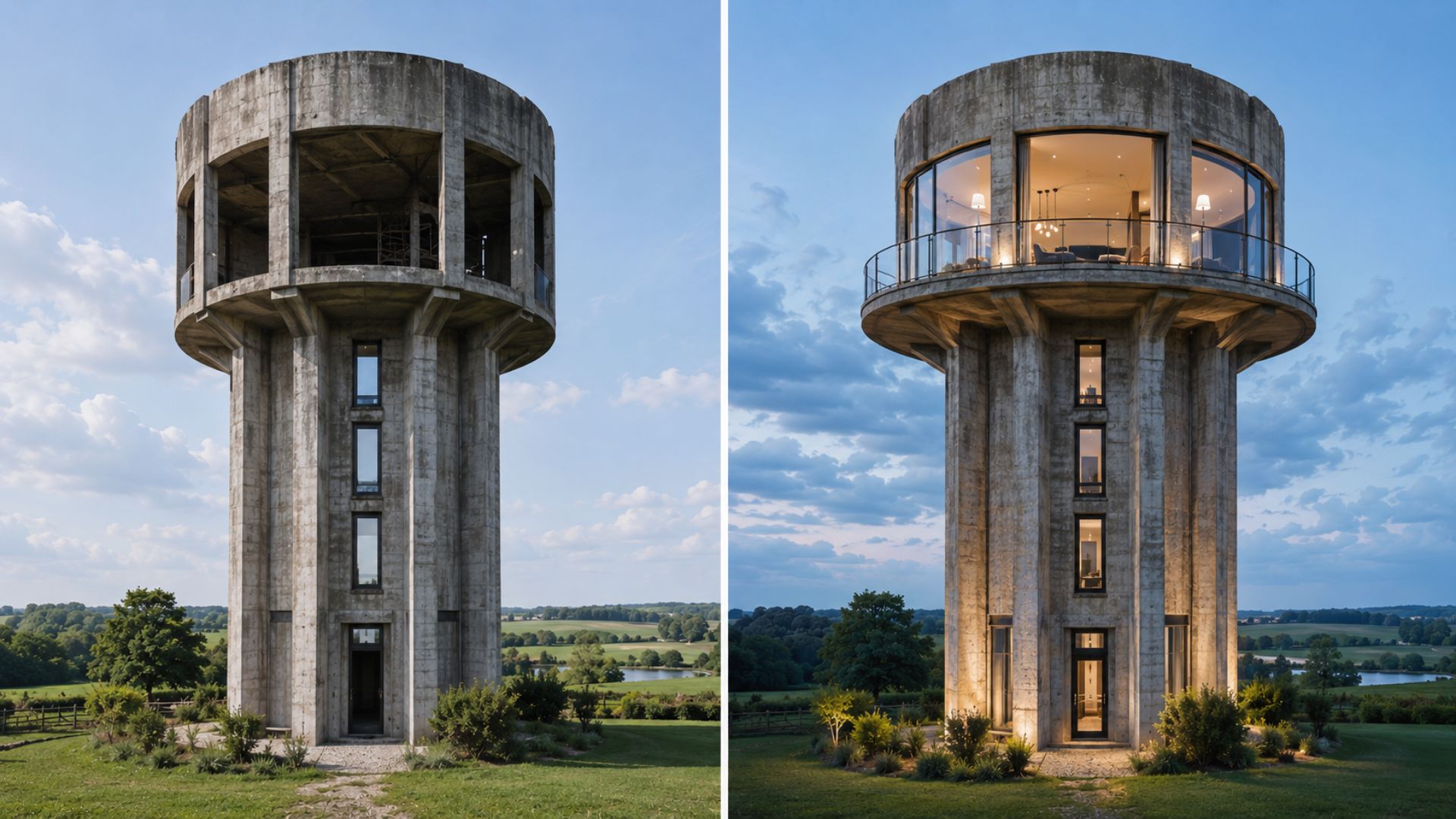
Couple Transforms 1964 Concrete Water Tower into Four-Bedroom Home with Views of London Over Four Years


Technofeudalism: The New Digital Feudalism?
The issue here is not just about Mark Zuckerberg building a superstructure for his own safety. The problem is how this reminds us of the feudalism of the Middle Ages. Imagine: while we go about our normal lives, billionaires like Zuckerberg are acquiring large chunks of land, surrounding them with walls, creating self-sufficient farms, and at the same time controlling data, information, and global infrastructure. Does this sound familiar? A new type of power is being forged, and it no longer relies on swords and castles, but on servers, algorithms, and superproperties.
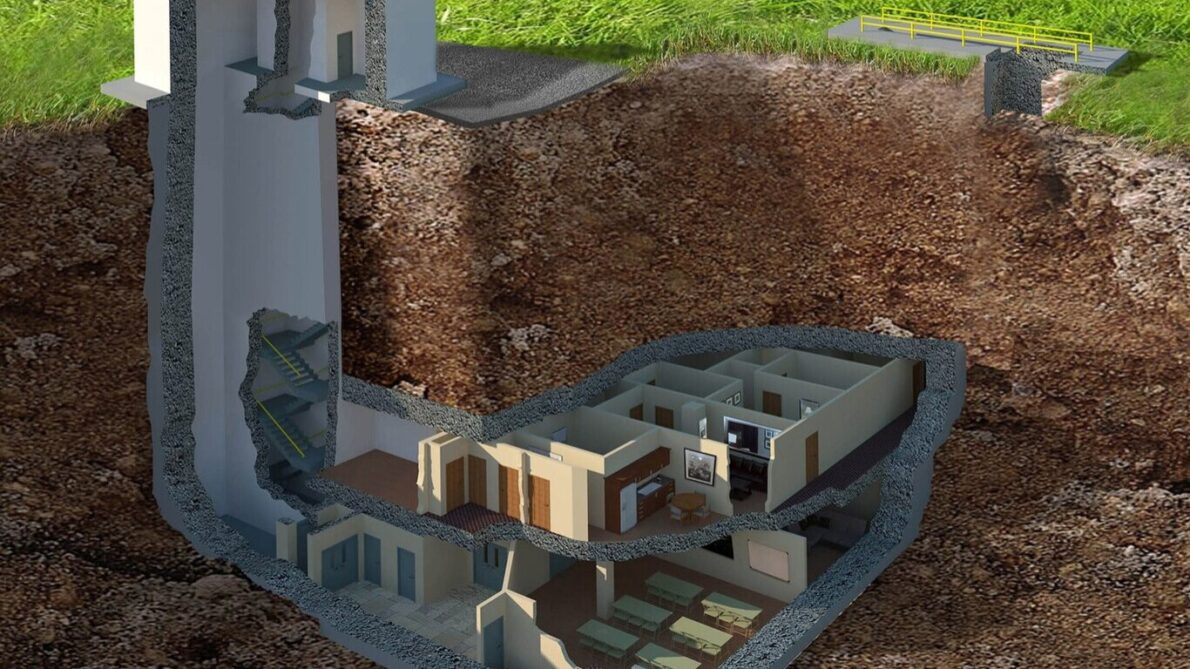
It’s as if the feudal lords of old have been reborn in a modern format and, in Zuckerberg’s case, his “castle” serves as a sign of this new digital feudalism. Instead of counts and dukes, we have CEOs and tech moguls building their private realms, while the rest of us try to adapt to what seems to be a new form of control.
The Local Impact and the Division on the Island of Kauai
Zuckerberg is not just buying land. He is, in fact, creating a microeconomy on the island of Kauai where he lives. Since he started acquiring land on the island, he has donated over US$ 20 million to local organizations and to help the population cope with disasters, such as floods and crises caused by the pandemic. But this “charity” has divided the community.
Some see Mark Zuckerberg as a “savior,” creating jobs and bringing opportunities to the local population. Others, however, believe he is merely reproducing a feudal dynamic, where he becomes the “lord” of these lands, while the community depends on his goodwill to survive. The director of a local NGO summarized it well: “Zuckerberg’s presence may increase charity, but it does not resolve the causes for which we need help in the first place.”
The Future of Power: Will Technofeudalism Be Innovative?
In the end, what we are witnessing is the consolidation of a new form of power. Tech billionaires, like Zuckerberg, not only control the platforms we communicate on but are now also acquiring large tracts of land and creating closed systems reminiscent of the feuds of the Middle Ages. Only this time, the control is not just physical, but also digital.
This movement leads us to question: how far will the power of these tech moguls go? Are we really heading towards a new form of feudalism, where the CEOs of large companies become the new “kings,” controlling not just land, but also our information and personal data?
Well, while we wait for answers, Mark Zuckerberg continues to build his 21st-century castle, surrounded by tall walls and watched over by cutting-edge technology. And us? Well, we are here on the outside, trying to understand where all this is leading us.