Portuguese
  Spanish


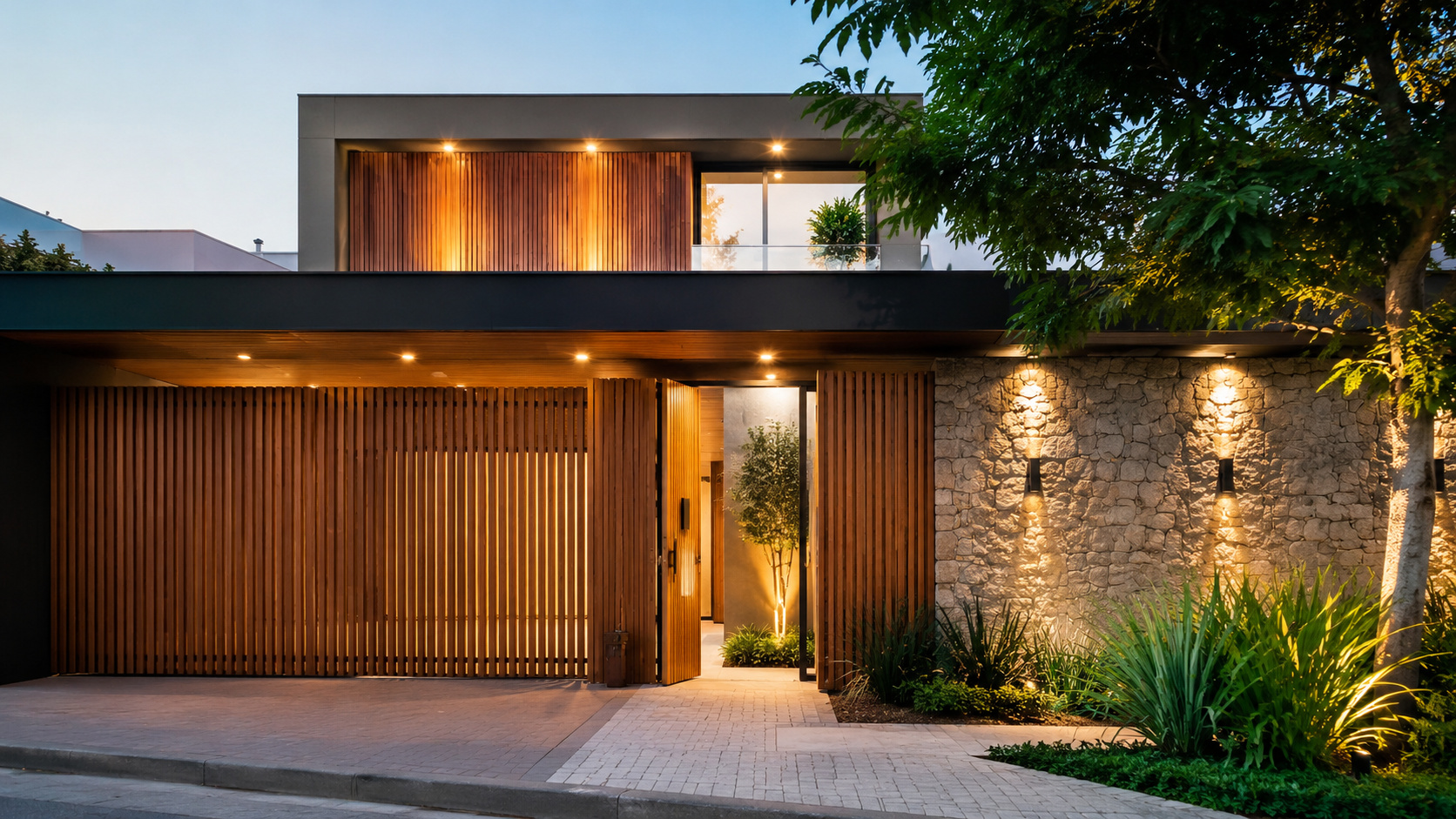

Discover why woodgrain aluminum is advancing in civil construction in 2026, combining durability, low maintenance, and sophisticated appearance.
The advancement of construction materials is changing the appearance of homes and developments throughout Brazil. According to information from Casa e Jardim Magazine on June 18, 2026, among the solutions gaining the most ground in civil construction in 2026 is woodgrain aluminum, a product that replicates the appearance of natural wood but offers greater weather resistance, low maintenance, and long durability.
Once considered a niche alternative, the material has become part of projects with different architectural styles. Today, it appears in facades, brise-soleils, mashrabiya, frames, partitions, internal cladding, and pergolas. The demand growth is driven by the combination of sophisticated aesthetics, sustainability, and technical performance.
Industry experts, such as architect and urban planner Welton Barreiros from the Brazilian Council of Architecture and Urbanism (CAU/BR), and Denise Veiga, technical manager of the Brazilian Aluminum Association (ABAL), point out that the product is gaining ground mainly in regions with hot and humid climates.
-
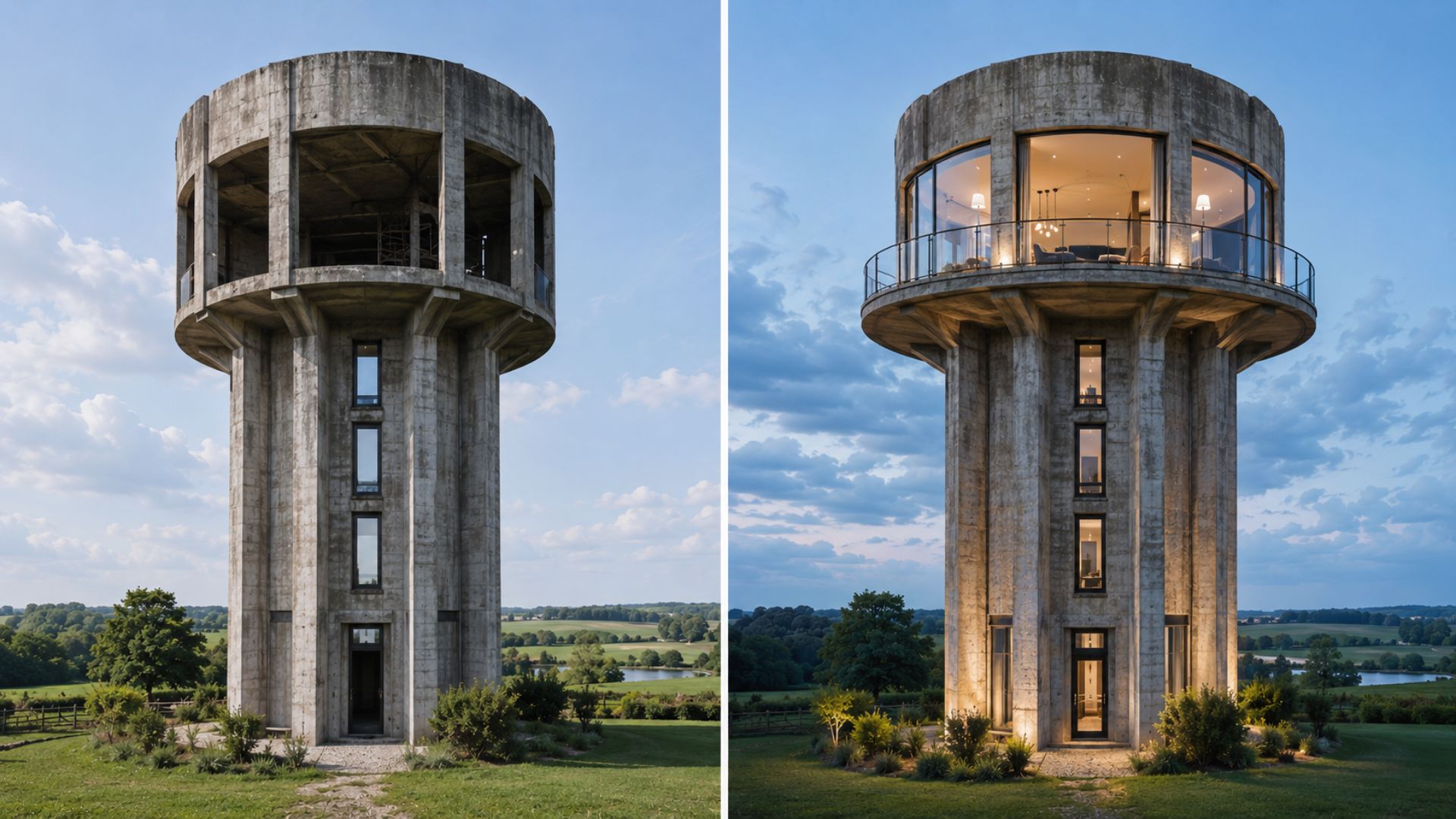
Couple Transforms 1964 Concrete Water Tower into Four-Bedroom Home with Views of London Over Four Years

-
U.S. City Builds Tiny Home Village on Water Company Land to House 136 Homeless People: Inside the Social Housing Units
-
Woman Turns Shipping Container into Home, Embraces Rural Life to Cut Monthly Expenses to Just Over $330
-
France Revamps 530 Social Housing Units with Large Balconies and Glass Facades Without Demolishing Existing Buildings




Woodgrain aluminum advances beyond decorative use
What was once seen only as a distinctive finish has come to play a strategic role in contemporary projects. Woodgrain aluminum brings together features valued by architects, builders, and consumers seeking to combine beauty and practicality.
Unlike conventional wood, the material does not suffer from problems such as rotting, warping, or termite attacks. This reduces maintenance costs over the years and increases its attractiveness for external applications.
Another important point is its resistance to constant exposure to sun, rain, and humidity, factors that usually accelerate the wear of natural materials.


Civil construction in 2026 drives new material choices
The search for more durable solutions has directly influenced decisions within civil construction in 2026. Owners and companies are evaluating not only the initial cost of materials but also their lifespan and future maintenance expenses.
Although the initial investment in wood-like aluminum is generally higher than some conventional alternatives, the product tends to pay off over time by requiring only periodic cleanings.
Furthermore, aluminum is widely recognized for its high recyclability, a characteristic that strengthens its sustainable appeal in a market increasingly attentive to environmental issues.

How technology reproduces the look of synthetic wood
One of the main differentiators of the product is its aesthetic fidelity. Current industrial processes allow for the creation of surfaces that reproduce grains, shades, and textures similar to those found in natural wood.
According to data released by ABAL, national production mainly uses two systems:
- Sublimation, responsible for approximately 40% of manufacturing;
- Powder-on-powder system, which represents about 60% of production.
The entity also estimates that Brazil produces approximately 13 thousand tons annually of this type of coating.
These technologies allow aluminum to receive finishes inspired by different species of synthetic and natural wood, creating a sophisticated and highly resistant visual result.
Why modern architecture is adopting this solution
Modern architecture has been prioritizing materials capable of combining technical performance and visual appeal. In this scenario, wood-like aluminum meets various demands of the current market.
The material offers an elegant appearance, structural resistance, and simplified maintenance. This allows professionals to develop more durable projects without giving up the welcoming aspect associated with wood.
Another relevant factor is versatility. The product can be incorporated into both residences and commercial buildings, adapting to different architectural proposals.

Residential facades gain resistance without losing elegance
Among the applications that most drive the market are residential facades. The replacement of conventional wood with more resistant solutions has become increasingly common.
The material can be used in different external elements, such as:
- Contemporary facades;
- Gates;
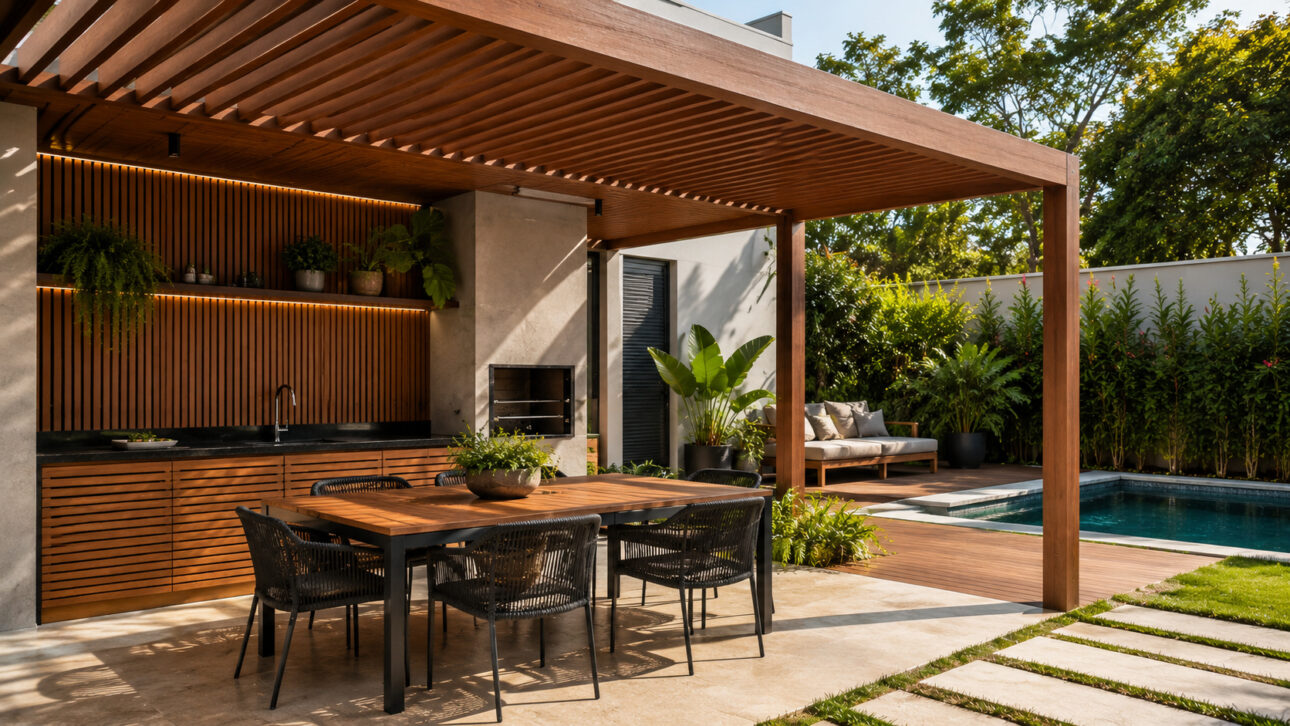
- Pergolas;
- Decorative slats;
- Brises;
- Frames;
- External cladding.
In residential facades, weather resistance is a significant advantage. The material maintains its appearance for longer and reduces the need for frequent interventions.
Therefore, it has been adopted in projects that seek to balance sophisticated aesthetics and practicality.
Where wood-like aluminum performs best
The product usually shows excellent results in environments subject to constant exposure to the weather. Doors, windows, ceilings, partitions, and external cladding are among the most common applications.
Welton Barreiros highlights that resistance to climatic conditions has favored its use mainly in hot and humid regions.
Even so, experts warn that correct specification remains essential. The appropriate choice of frames, accessories, sealants, and thicknesses directly influences the final performance of the installation.
Situations where natural wood may still be preferred
Despite the technical advantages, there are scenarios where wood remains the most suitable option.
Historical projects, heritage restorations, and environments that require specific sensory characteristics may demand the use of natural material.
In these cases, factors such as authenticity, cultural value, and tactile experience may weigh more than the benefits related to durability.
For this reason, the decision between wood-like aluminum, synthetic wood, or natural wood should consider the specific objectives of each project.
Coastal areas require special attention
In regions near the sea or in harsh industrial environments, the technical specification needs to be even more careful.
The constant presence of sea spray and corrosive agents can accelerate the wear of surfaces when appropriate protection systems are not used.
According to ABAL experts, specific painting treatments help preserve the durability and appearance of the material in these more challenging environments.
Therefore, the recommendation is always to use products developed for the specific conditions of each location.
Technical standard can boost market confidence
The growing demand for wood-like aluminum led ABAL to initiate the development of a technical standard specifically for this finish.
The proposal seeks to establish minimum criteria related to quality, performance, durability, finish, and maintenance.
Once completed, the regulation should offer more security for manufacturers, architects, engineers, specifiers, and consumers.
The sector’s expectation is that standardization will further strengthen confidence in the product and contribute to its expansion in the coming years.
A material that combines aesthetics, durability, and innovation
The growth of wood-like aluminum shows how innovation continues to transform the construction industry in 2026. With an appearance similar to wood, superior resistance to weather conditions, and low maintenance requirements, the material has gained space in residential and commercial projects.
Its growing presence in residential facades, frames, pergolas, and claddings demonstrates an important shift in the market. The combination of sustainability, technology, and structural performance places the product among the most promising solutions in modern architecture, especially for those seeking beauty and long-term durability.