Portuguese
  Spanish


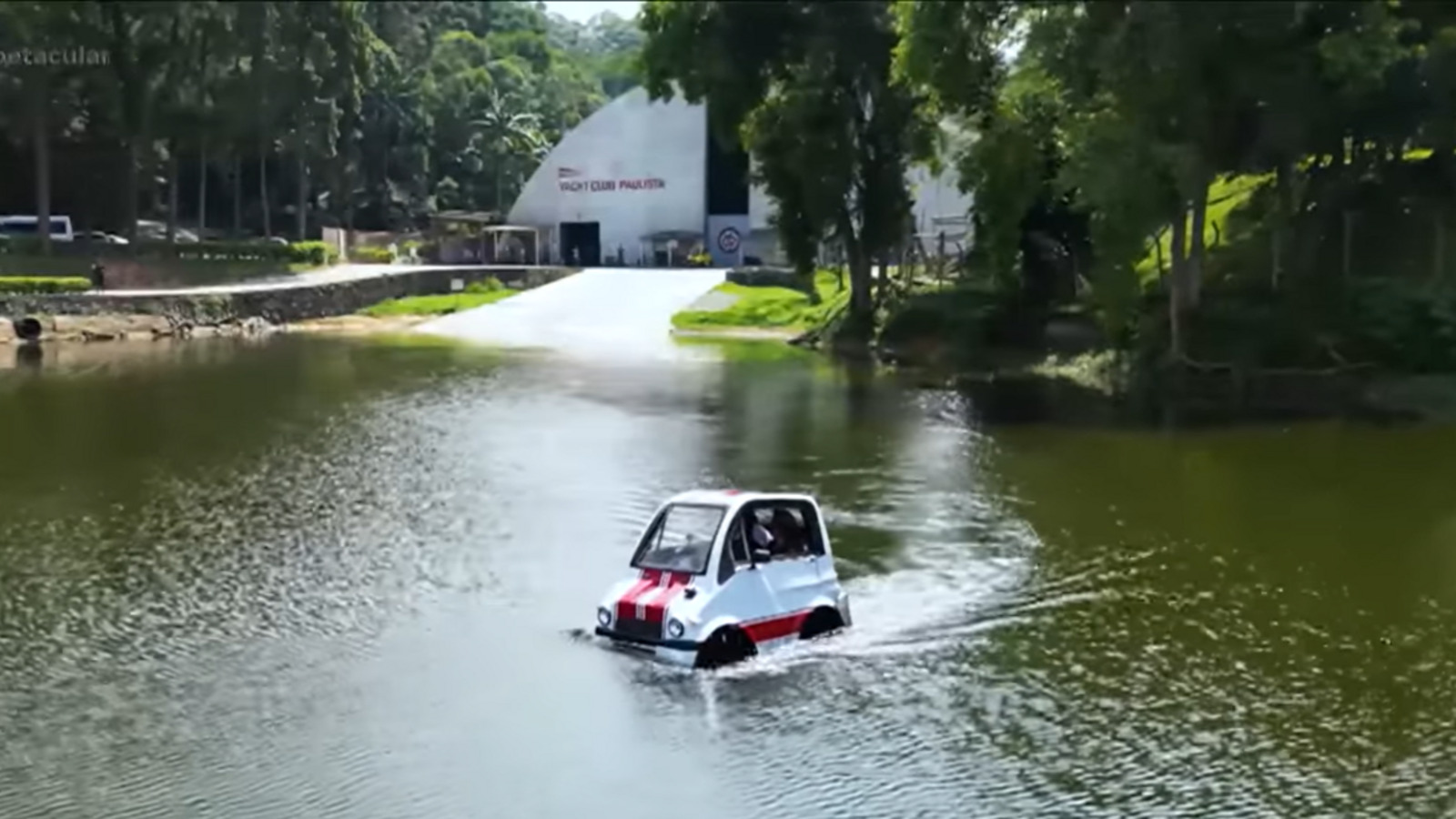

Mechanic Caio Strumiello, 53 years old, adapted a boat hull with wheels and two engines to create a handmade amphibious car in São Vicente, before being seized for lack of a license to navigate
A handmade amphibious car, created by mechanic Caio Strumiello, 53 years old, was seized by the Port Authority in São Vicente, on the coast of São Paulo, on December 31 of last year. The vehicle, made to travel on land and sea, did not have the necessary license or documentation to navigate.


Who built the amphibious car and where?
The amphibious car that caught attention in São Vicente, on the coast of São Paulo, was created by mechanic Caio Strumiello, 53 years old. According to available information, the project was born in an artisanal way and was designed to travel both on land and water, combining a boat structure and adapted mechanical components.
Construction started from an adapted boat hull
The base of the vehicle was a boat hull, which received wheels to allow movement on land. The adaptation is the central point of the project, as it transforms a structure originally made to float into a vehicle capable of leaving the water and driving on land.
-
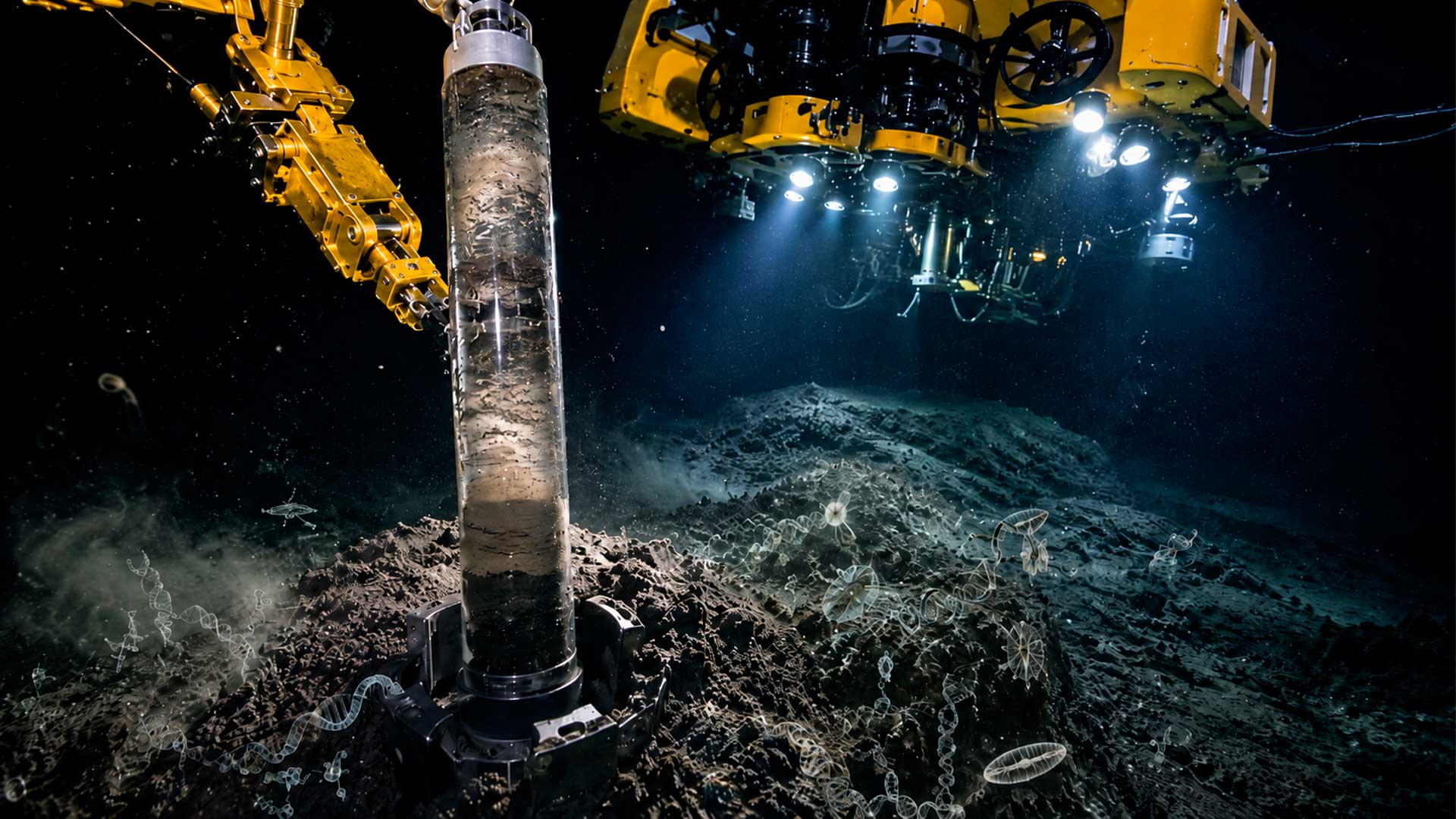
At a depth of 5,000 meters, where there is no sunlight, researchers found ancient DNA preserved in the mud of the South Atlantic and discovered signs of organisms that did not match known records.

-
At 77 years old, a retired woman who never tires of learning completes her second degree in design in Ceará and moves people by revealing the help of her 98-year-old mother in the final project.
-
China’s masterstroke: a plant capable of regrowing even when buried by sand helps to recover more than 7,300 hectares of desert with 5 million seedlings, roots over 10 meters deep, and rainfall below 150 mm per year.
-
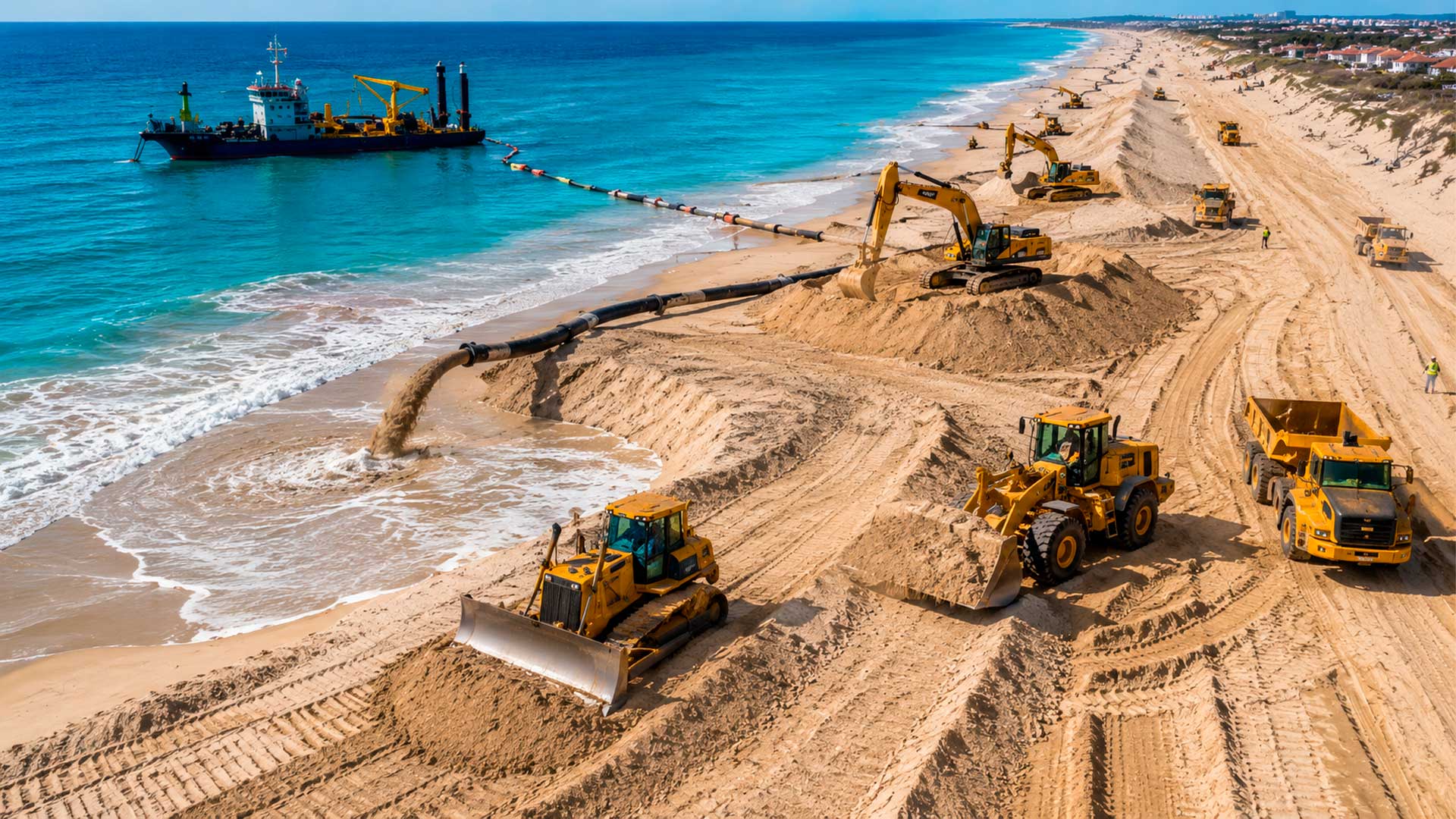
Portugal placed 1.4 million m³ of sand in the Algarve, spent 14.9 million euros to recover 6.7 km of beaches between Quarteira and Garrão, and is now trying to gain 37.5 meters of shoreline before the sea advances again.


The car was equipped with two engines. One of them is a motorcycle engine. The other is stationary, the type used in agricultural machinery. This combination was used to allow the vehicle to operate in different conditions.
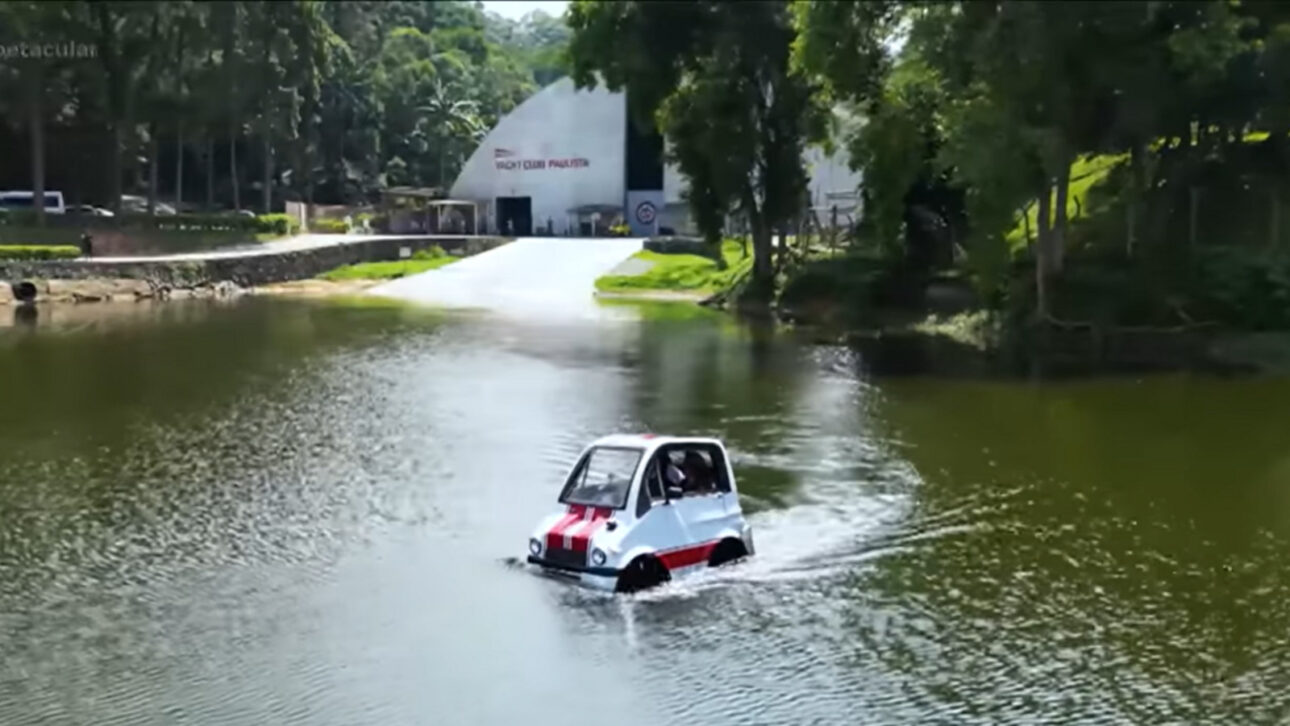
Creator has been developing vehicles since 2010
Caio Strumiello reported that he started developing vehicles in 2010. The idea of creating an amphibious model emerged about two months before the seizure.
The mechanic also stated that he made calculations to ensure the vehicle’s buoyancy and said that the engines were designed to avoid contact with water.
This data helps explain how the project was conceived before catching the attention of the authorities.
Amphibious car was inspected after operational alert
According to the São Vicente City Hall, the Environmental Inspection of the Municipal Civil Guard went to Gonzaguinha Beach, near the Lovers’ Pier, following a request from the Operational Control Center.
The action aimed to verify the condition of the amphibious car and identify if there was any environmental risk, such as a possible oil leak.
Handmade vehicle lacked documentation for navigation
At the site, the civil guards spoke with the mechanic and owner of the vehicle. During the inspection, they found that the amphibious car had been manufactured in a handmade manner.
The State Port Authority, of the Brazilian Navy, was called to assess the situation. During the approach, the authorities identified the absence of a license and mandatory documentation for navigation.
Agreement allows monitoring of waterway traffic
The city hall reported that São Vicente maintains an agreement with the Port Authority. Through it, the Environmental Inspection monitors waterway traffic, detects possible irregularities, and informs the Navy for appropriate measures.
Metrópoles stated that they tried to contact Caio Strumiello for more information about the vehicle but received no response by the time of publication.
This article was prepared based on information from Metrópoles and the São Vicente City Hall, with data, numbers, and statements preserved as per the consulted material.