Portuguese
  Spanish


Accelerated Growth of Doctors and Medical Schools in Brazil Contrasts with Market Stagnation, Raising Alerts About Income, Professional Saturation, and Sustainability of the Medical Career.
According to investment specialist Raul Sardinha from the channel Investidor Sardinha, the practice of medicine in Brazil may face a scenario of saturation and income loss throughout this decade.
The video, recently published, highlights that the number of doctors in the country rose from approximately 131,279 in 1990 to about 575,930 today.
As emphasized by Raul Sardinha, this growth of more than four times contrasts with the 42% increase in the Brazilian population during the same period — from 144 million to 205 million inhabitants.
-
Strawberry Moon to Be Visible in Brazil on Monday (29th); Here’s When and How to Watch

-
Driver Crosses 100-Year-Old Railway Bridge Over Uruguay River, Encounters Rural Couple Preserving Traditional Farming Methods
-
Rural Producer Returns to Brazilian Farmland, Builds Family Agricultural Business with Children’s Support and Industry Backing
-
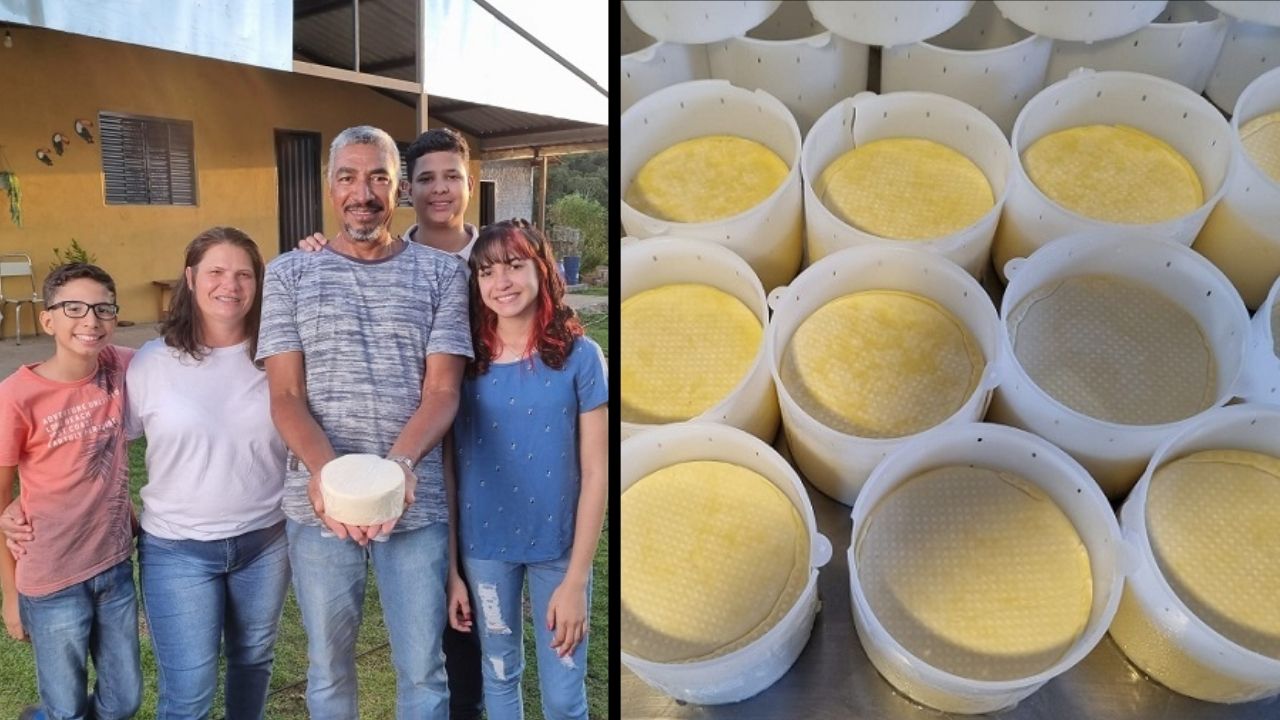
Goiás Couple Boosts Artisan Cheese Production from 25 to 70 Kilos Daily with Technical Support, Transforming Family Life in Rural Brazil



This is confirmed by official data indicating 2.81 doctors per 1,000 inhabitants today, a figure higher than in countries like the United States and Japan, he also noted.
Growth of Medical Schools in Brazil
Sardinha points out that the number of medical schools has quintupled since 1990.
The number of vacancies in public universities grew by 64% between 2003 and 2023 — from 19,917 to 32,080 in total (illustrating a jump in private institutions as well).
“These universities began to offer the medical course in different ways,” noted the analyst, suggesting an impact on the quality of education.
He also remarked that the medical courses market generated R$ 21 billion in 2022.
Tuition fees range from R$ 8,000 to R$ 12,000 — which represents almost eight times the cost of other degrees.
As he highlighted, this expansion represents a significant and profitable business for the maintainers.
Finances and Market Strategies in Medical Education
Raul Sardinha’s video highlights that, according to mergers and acquisitions research, each medical vacancy can be valued at R$ 2 million, as exemplified by entities like Afya Educacional (18,000 students), Ânima Educação (10.9 thousand), Dux (7.5 thousand), and Ser Educacional (3,000).
“Among the students studying medicine, a large portion has a family income above 30 minimum wages,” he emphasized, distinguishing this reality from the nursing field (only 0.11% of students in that profile).
Challenges Faced by New Doctors
The specialist emphasizes that Brazil could have up to one million doctors by 2035, reaching 5.5 doctors per 1,000 inhabitants — compared to the OECD average of 3.5.
As he highlighted, this might lead to a decrease in earning power.
He warned that such a rapid increase in supply should not be accompanied by an equal rise in demand, as “the population is aging, yes, but not as quickly as universities are producing doctors.”
Additionally, 65,000 Brazilian students are studying medicine in countries like Argentina, Paraguay, and Bolivia.
According to Raul Sardinha, many may return due to the potential scarcity of job opportunities in Brazil.
Medical Specializations and Job Precarization
Sardinha pointed out that the growth in supply will primarily affect general practitioners.
To protect themselves, the ideal would be to seek specializations or emerging niches — such as ophthalmology and aesthetic procedures — where there is growing demand and limited supply.
“These shifts are already very intense and usually without labor guarantees,” emphasized the specialist, pointing to the precarization of the medical sector.
He predicts an increase in the number of doctors who will accept to work with PJ contracts, reducing their real earnings.
Financial Planning for Doctors in Brazil
As presented, the average salary of a doctor in Brazil is around R$ 14,542 per month.
Sardinha proposed a simulation: investing 25% of this amount (R$ 3,635 per month) over 10 years could accumulate R$ 637 thousand.
“Without considering inflation, in investments with a return of 14% per year, this amount reaches approximately R$ 876 thousand, generating a monthly income exceeding R$ 9,000,” explained the channel.
He also calculated with an investment of 50% of income for 10 years, or 25% for up to 20 years, pointing out as a viable alternative to maintain a standard of living similar to that of a doctor without pursuing a career in healthcare.
Given the accelerated growth of medical training and stagnation in demand for services, is Brazil heading toward a future where a medical degree becomes just a title — and no longer a guarantee of financial stability?