






 Portuguese
  Spanish
  4 min of reading
  0 comments


Billion-Dollar Investment in a Port in Ceará Promises to Revolutionize Brazilian Foreign Trade.
With Cutting-Edge Technology and Logistical Integration, the Project Could Change the Landscape of the Largest Ports in the Country, Attracting Global Attention to the Northeast.
Brazil is on the verge of transforming its logistical landscape with a billion-dollar investment in a port that promises to compete with the largest in the world.
The Pecém Industrial and Port Complex in Ceará has received an investment of over R$ 900 million for its expansion, aiming to enhance its capacity and technology.
According to official data, the port of Pecém is expected to grow to meet the increasing demand for Brazilian exports, which totaled more than US$ 337 billion last year, consolidating foreign trade as one of the pillars of the national economy.
-
Survivor of 1966 SS Daniel J. Morrell Shipwreck in Lake Huron Recounts 38-Hour Ordeal in Extreme Cold

-
The Greatest Hoax in World Cup History? The Film That Denied Brazil’s 1958 Victory and Exposed How Fake Evidence Can Seem Convincing on TV
-
Fake South Korean Online Stores Offer Shopping Thrill Without Spending Money or Receiving Products
-
Brazilian Joins Homeownership Consortium, Faces Decade of Dual Payments Totaling $141,000, Surpassing Traditional Mortgage


Pecém is emerging as one of the largest and most modern ports on the planet, with infrastructure that should surpass even the port of Santos, the largest in Brazil and Latin America, which handled 179.8 million tons of cargo in 2024, a historic record.
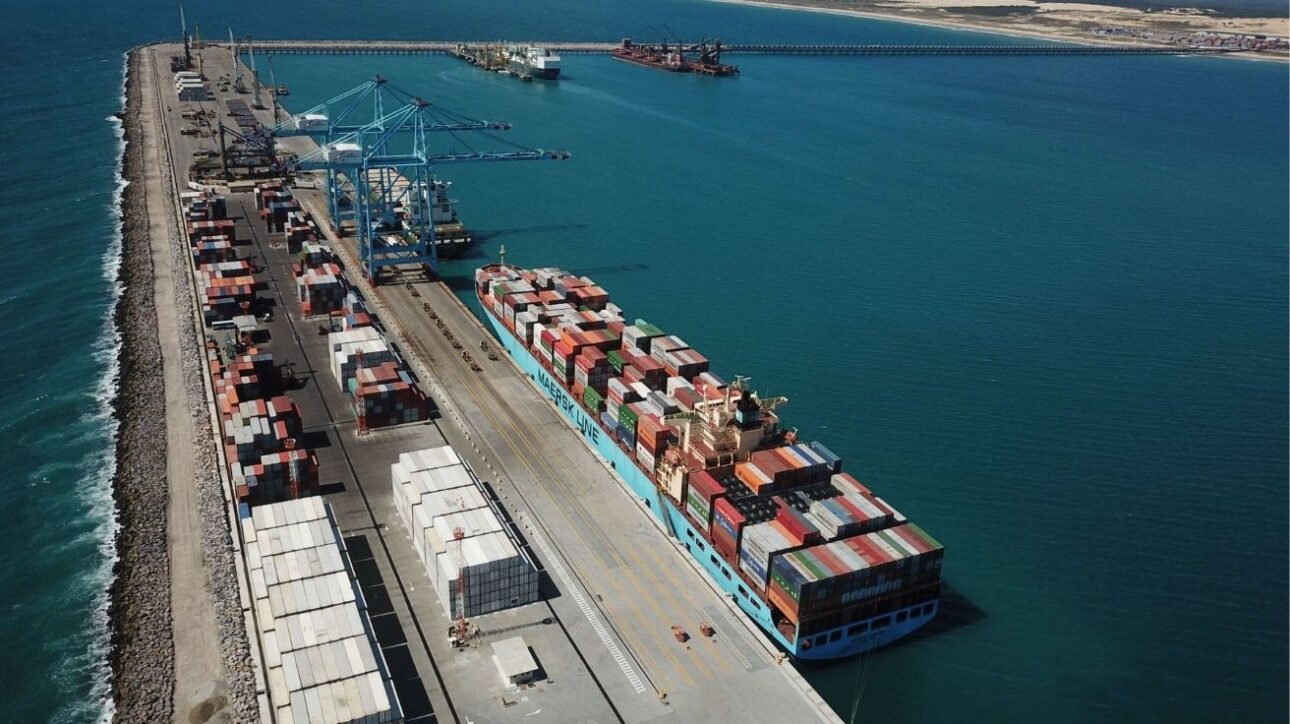
Importance of Exports for Brazil
This expansion is vital for Brazil to continue growing in international trade, as the country is a giant producer and exporter of commodities such as minerals, beef, sugarcane, and primarily, grains.
The climatic and territorial diversity among the five Brazilian regions makes the country one of the largest global suppliers of these products, which requires robust and distributed port infrastructure to avoid bottlenecks and delays.
Currently, the port of Santos leads cargo movement in the country, but the growing demand requires that new ports take on prominent roles.
Investment in the Pecém Complex
It was with this in mind that the government of Ceará invested in the Company for the Development of the Pecém Industrial and Port Complex (CDPIP), to increase logistical capacity and serve both the Northeast and the rest of Brazil.
In addition to the port, the project includes the Transnordestina railway, which connects Pecém to states in the Northeast interior, facilitating the flow of goods and regional integration.
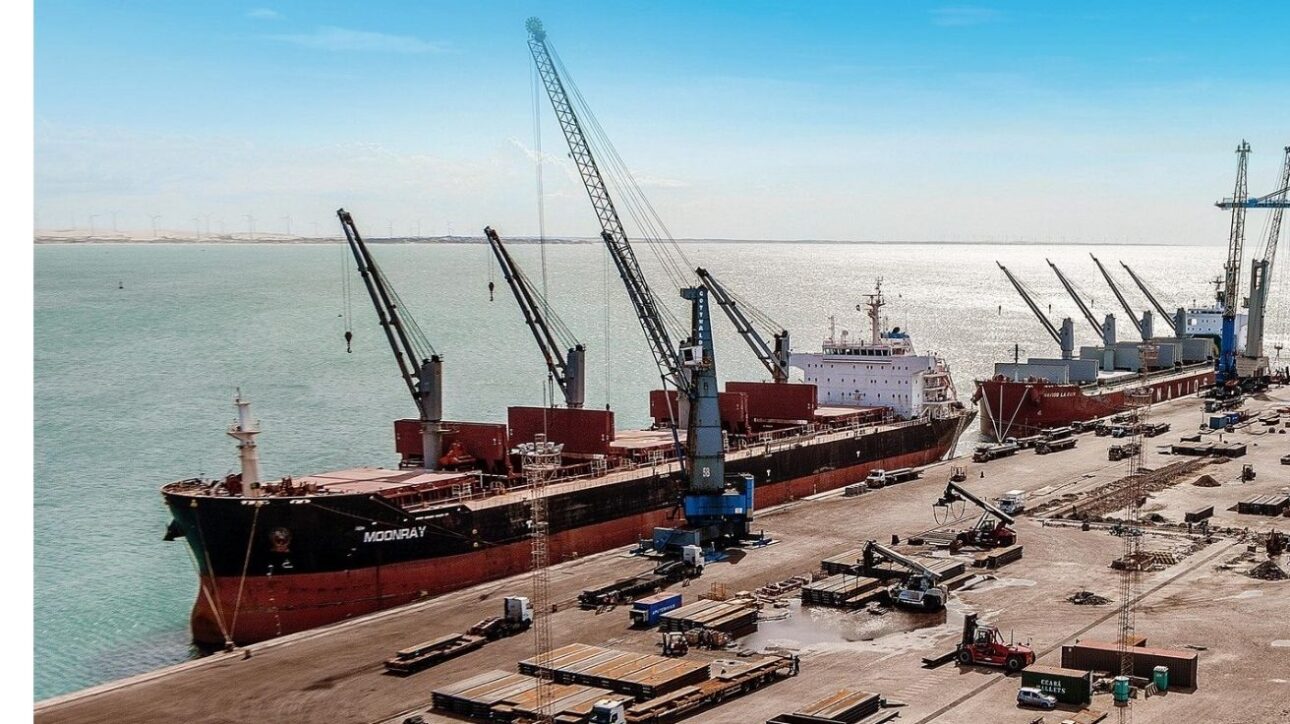
The Transnordestina is a strategic railway, approximately 1,751 km long, linking Ceará to Piauí and Maranhão, reducing costs and transport time.
With this logistical integration, Pecém can receive and send larger volumes of cargo, serving sectors such as mining, agriculture, and energy.
Green Hydrogen and Technological Innovation
Another highlight of the Complex is the investment in a green hydrogen hub, which uses renewable energy to produce sustainable fuel.
Green hydrogen is one of Brazil’s bets to consolidate itself in the global clean energy market, aligned with the international agenda to combat climate change.
The hub at Pecém has already attracted millions in investments and international partnerships, signaling that the port will be a technological hub beyond just logistics.
This combination of a modern port, strategic railway, and clean energy makes Pecém a unique project and a reference for the future of Brazilian infrastructure.
Besides boosting exports, the venture generates thousands of direct and indirect jobs, strengthening both the regional and national economy.
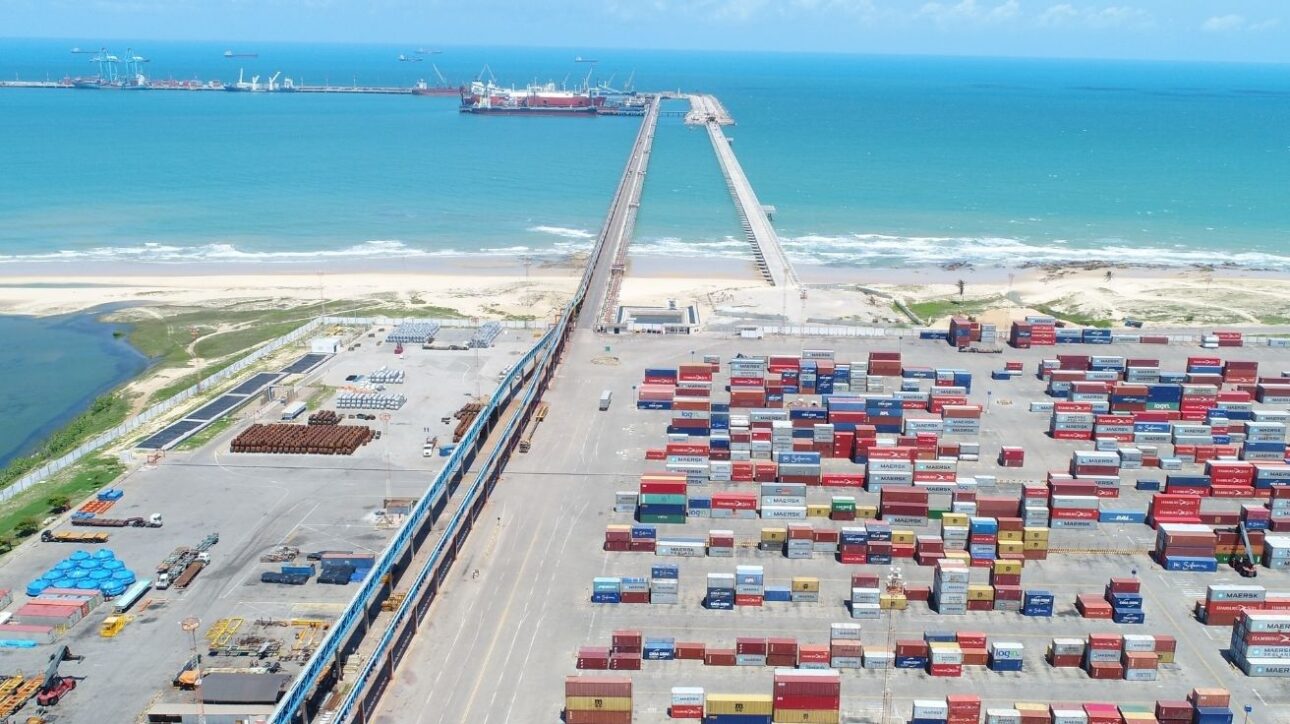
Challenges and Future of Brazilian Infrastructure
According to experts, investment in modern and integrated ports is crucial for Brazil to maintain its competitiveness in foreign trade and achieve economic growth.
The development of Pecém also reinforces the role of the Northeast within the country’s economic context, which has traditionally been concentrated in the Southeast.
The challenge now is to ensure that the project progresses according to schedule, avoiding delays that could compromise its ability to meet the growing demand from the international market.
In 2025, Brazil faces the challenge of balancing investments in infrastructure, sustainability, and innovation to sustain the growth momentum of exports.
The Pecém Complex is a clear example of how the integration of technology, logistics, and renewable energy can position the country among the global leaders in trade.
With an increasingly competitive and demanding global landscape, having ports capable of operating efficiently, sustainably, and technologically is essential to ensure that Brazil remains a giant exporter.
Do you believe the Pecém Complex will be able to surpass the port of Santos and become the new giant of Brazilian exports?


Sim