






 Portuguese
  Spanish


Smallest Bus Route in SP: Fully Electric Vehicles, Free Entry, and Drivers Who Know Passengers by Name
Bus Line with Only Five Stops in the South Zone of the Capital Offers Free Transport, Electric Vehicles, and Stunning Landscapes, Changing the Daily Lives of Residents Who Once Faced Steep Hills and Precarious Transportation.
In the extreme south of the city of São Paulo, a bus line sparks curiosity among residents and visitors.
With only 1,400 meters in length and five stopping points, the 606C/10 Cantinho do Céu – Circular line stands out for its unique features: fully electric buses, free access, and a service that deviates from the standard of public transportation in the metropolis.
Operating since May 2024, the route winds around the edge of the Billings reservoir, next to the Aquático-SP terminal, where passengers also board boats for daily crossings.
-
Over 60,000 People Displaced in Brazil’s Maceió After Sinkholes Expose 35 Underground Salt Mines Linked to Braskem Disaster

-
Brazil Sets Record with 9.3 Million Foreign Tourists in 2025, a 37% Increase

-
Brazil’s Grupo Boticário Earned $7.5 Billion in 2025, Now World’s Largest Beauty Retail Network

-
Scientists Warn Extraterrestrial Life May Have Left Clues on Other Planets, But Humans Might Be Missing Them in Space Missions


According to a report published by journalist Marcos Zibordi from the Terra portal, the shortest route among all municipal bus lines in the capital has a travel time that rarely exceeds ten minutes.
Despite the short distance, the line plays an essential role in the daily lives of the Cantinho do Céu community, an area known for the steep inclines of its streets.
The main users are the elderly, people with reduced mobility, and residents who would face great difficulty walking up the hills.
According to data from São Paulo Transporte S.A. (SPTrans), the line transported an average of 389 passengers per weekday in April 2025, a number considered low compared to the vehicle capacity but essential to ensure accessibility for the local population.
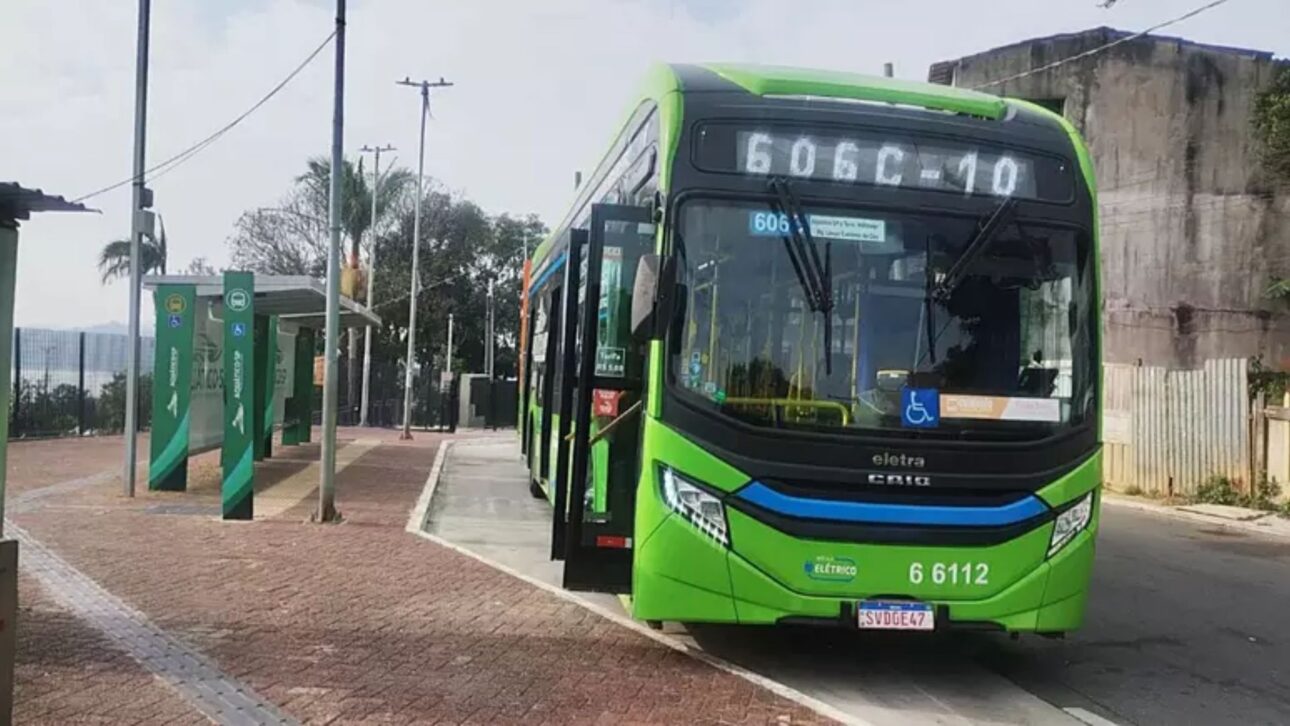
Smallest Bus Route in SP Ensures Free Accessibility in the Periphery
While large avenues in São Paulo receive crowded buses, Cantinho do Céu maintains an opposite scenario.
For much of the day, the buses circulate almost empty.
The drivers know many passengers by name, in an environment that resembles the countryside more than a metropolis.
The tranquility, combined with the free access and the technological innovation of the electric vehicles, sets the service apart and encourages new users to try the route.
The project for the 606C/10 Cantinho do Céu – Circular line emerged with the goal of integrating land transport with water transport, facilitating access for residents around Billings to the Aquático-SP terminal, which was also inaugurated in 2024.
According to investigations by the Terra portal, many passengers make the combined journey between bus and boat, expanding mobility options in areas where, just a few years ago, crossing the reservoir was limited and precarious.
Social Impact and Renewed Landscapes in the Cantinho do Céu Region
The service also stands out for its impact on the landscape and daily life of the neighborhood.
The newly implemented linear park on the edge of the Billings, next to the terminal, has become a new meeting point, especially for those using public transportation to reach leisure areas.
Residents report profound changes in quality of life, with more organized streets, functioning public facilities, and an increased sense of security among neighbors.
An example of these transformations is Jaílson José Barros, a truck driver who has lived in Cantinho do Céu for four decades.
He reports that, in the past, the area was marked by precariousness and scenes of violence.
Today, he told Terra in an interview, daily life has changed.
“Now I sleep with the gate open; people come to tell me to close it,” he comments.
For many longtime residents, the bus is more than just a means of transportation: it represents overcoming historical difficulties and easier access to essential services.
Testimonials Show the Importance of the Smallest Bus Line in São Paulo
The stories of users reflect the social importance of the line.
Maria de Fátima Silva, a 67-year-old retiree, uses the bus daily to return from physical activities in the linear park.
“Here used to be a hellhole, now we can call it Cantinho do Céu. I always take the bus to go up the hill because I have osteoarthritis. I can still walk down,” she reports.
The newspaper also highlighted the role of free transport, especially for the elderly facing mobility limitations.
Sustainable Innovation: 100% Electric Bus and Differentiated Operation
The operation of the vehicles also draws attention for its novelty.
The buses used are 100% electric, with zero pollutant emissions, aligned with the municipality’s efforts to reduce the environmental impact of the municipal fleet.
In addition to being quiet, they offer comfort and accessibility, with air conditioning, preferential seating, and ramps for wheelchair users.
According to information from SPTrans, all drivers received special training to operate on the line due to the narrow streets and proximity to residents.
However, the daily lives of the professionals present their own challenges.
Igor Tavares, a 28-year-old driver, reported to Terra that his interaction with passengers is positive, but the narrow streets and the need for constant maneuvers require heightened attention.
“The streets are narrow, people stop anywhere, it complicates things,” he explained.
Often, the bus must wait for cars and trucks to be moved before continuing on its route, especially during times when residents carry out activities nearby.
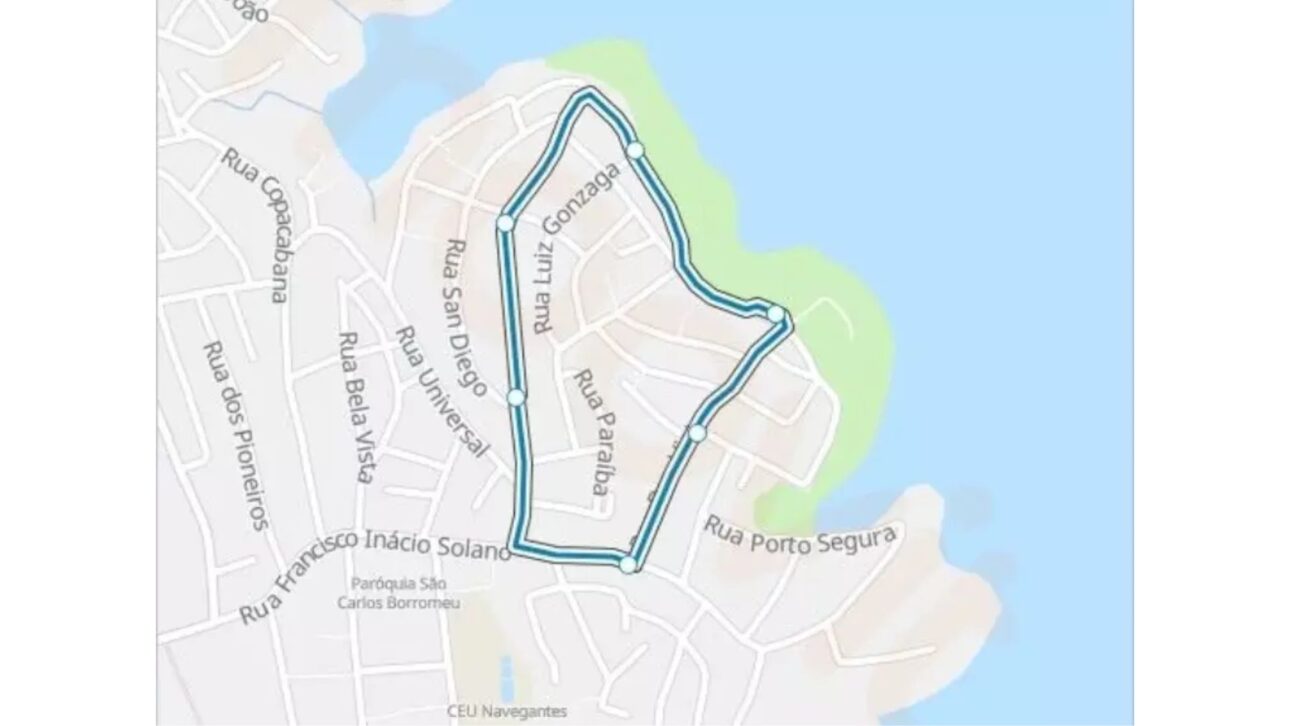
Integration with Water Transport and New Directions for Urban Mobility
The integration of free transport with the Aquático-SP terminal has transformed mobility in Cantinho do Céu, making the neighborhood a reference for innovation in peripheral areas.
The terminal serves as a connection point between buses, boats, and other conventional lines, including those heading to the mall and the Interlagos terminal, the main destinations for residents in the area.
Recent data collected by Terra’s reporting shows that demand is growing during peak hours, especially in the morning when residents travel to other regions of the city.
At other times of the day, circulation is calm and often has available seats on the vehicles.
For many, the greatest benefit is not having to rely on physical effort to climb the hills of the neighborhood.
The 606C/10 Cantinho do Céu – Circular line exemplifies how innovative mobility solutions can transform the daily lives of urban peripheries.
The integration between free electric buses, water transport, and revitalized public spaces highlights a very different public transport experience than that lived in the center of the capital.
What other similar initiatives could improve transportation and quality of life in the peripheries of large Brazilian cities?


