






 Portuguese
  Spanish
  4 min of reading
  0 comments



Food Inflation Is In The Spotlight Of The Lula Government! With Expectations Of A Supersafe Harvest In 2025 And Tax Reductions, Brazil May See Relief In Prices. Measures Like Regulation Of Meal Coupons And Stimulus To Family Agriculture Promise To Change The Scenario. But Will It Be Enough To Ease The Burden On Brazilians?
As the price of food increasingly weighs on the wallets of Brazilians, the federal government seems determined to change this scenario.
In a move that mixes optimistic expectations and practical decisions, the administration of President Luiz Inácio Lula da Silva announced measures to curb inflation and bring relief to the consumer’s table.
But what exactly are these initiatives, and how do they directly impact the daily lives of the population?
-
Brazilian Joins Homeownership Consortium, Faces Decade of Dual Payments Totaling $141,000, Surpassing Traditional Mortgage

-
Land Rover to Halt Production in July, Putting 371 Jobs at Risk, as Chinese Automaker Negotiates to Convert Factory to 100,000 Vehicles Annually by 2027

-
Mexican Pest Threatens U.S. Cattle Herds at Historic Lows, Potentially Boosting Brazilian Beef Exports as Burger Prices Soar

-
Brazilian Freight Bill Progresses in Congress with $5,000 Minimum Wage, 70% Advance Payment, and Fines Up to $1 Million, as Agriculture and Industry Warn of Rising Costs and Legal Uncertainty


Tax Reductions To Curb Prices
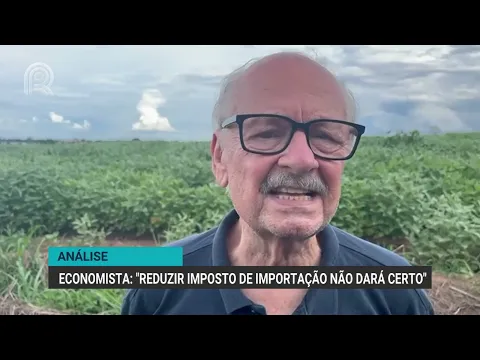
In a meeting held last Friday (24), the Minister of the Civil House, Rui Costa, stated that the government is willing to reduce import tariffs on products with domestic prices above those in the international market.
The measure aims to increase competitiveness and force a drop in the prices charged in Brazil.
— If the prices of these products in the international market are lower than in the national market, it will be quickly analyzed and the import tariff will be reduced — said the minister.
However, the government makes it clear that it does not intend to adopt practices such as subsidies or artificial price controls.
Rui Costa emphasized that price formation will continue to be governed by market dynamics, without interventions that may cause economic distortions.
Expectation Of A Supersafe Harvest In 2025
Another point highlighted by Rui Costa was the optimism regarding agricultural production for 2025, which is expected to boost supply and help reduce prices.
According to the National Supply Company (Conab), this year’s harvest is set to see significant increases in various products: rice is expected to grow by 13%, beans by 5%, and overall production by 8.2%.
— The Brazilian government’s conviction is that prices are formed in the market and not artificially. For 2025, we have extremely positive expectations for a supersafe harvest — the minister emphasized.
In addition, the government intends to engage with producers, supermarket chains, and slaughterhouses to outline strategies to increase the supply of essential foods and reduce costs.

Impact Of The International Scenario
According to Rui Costa, food inflation in Brazil in 2024 was heavily influenced by external factors, such as rising commodity prices in the international market.
Products like coffee, soy, corn, and orange, which have their prices set globally, directly affected the final cost for Brazilian consumers.
— It’s a scenario that has no direct relation to the Brazilian economy but rather with the international prices of these commodities — explained the minister.
Furthermore, adverse climatic events and increased demand for Brazilian products from other countries contributed to the imbalance in domestic supply.
Focus On The Basic Food Basket And Family Agriculture
The Lula administration also wants to intensify support for family agriculture, which plays a crucial role in the production of basic food items.
Programs like the Harvest Plan saw a 43% increase in available resources, resulting in greater production of items like beans, potatoes, carrots, and pumpkin.
The Minister of Agrarian Development, Paulo Teixeira, stated that the focus is on increasing the productivity of small farmers and ensuring that basic products reach the Brazilian table at more affordable prices.
— The second effort is to concentrate measures on the foods that make up the Brazilian basic food basket and increase the productivity of the small producer — highlighted Teixeira.
Regulation Of Meal And Food Vouchers
Another area of government action is the regulation of the meal and food voucher market, mentioned by the Minister of Finance, Fernando Haddad.
According to Rui Costa, the cost of intermediation by operators reaches 15% of the benefits, an amount that the government intends to reduce so that more resources are directed to the worker.
— When an intermediary appropriates part of the worker’s benefit, measures need to be taken to ensure that the amount reaches directly to those in need — Costa stated.
Internal Divergences And Next Steps
Despite the joint effort, some divergences still exist among the involved ministries.
While the economic area points to the impact of currency depreciation on agricultural input costs, the sectors linked to agriculture highlight the effects of the dollar and the influence of climatic factors.
The government is also analyzing already implemented policies, such as option contracts to stimulate rice production, deemed successful after the cancellation of the controversial grain auction.
These initiatives helped increase production and are expected to contribute to price stabilization.
What To Expect Moving Forward?
There is still no final definition on all the measures that will be taken, but the government promises to advance discussions with the private sector and implement policies that benefit the population.
The challenge lies in reconciling the interests of different sectors and ensuring that actions take effect without generating economic imbalances.
Do you believe these measures will be enough to contain the rise in food prices and ease the burden on consumers? Share your opinion in the comments!





Be the first to react!