






 Portuguese
  Spanish


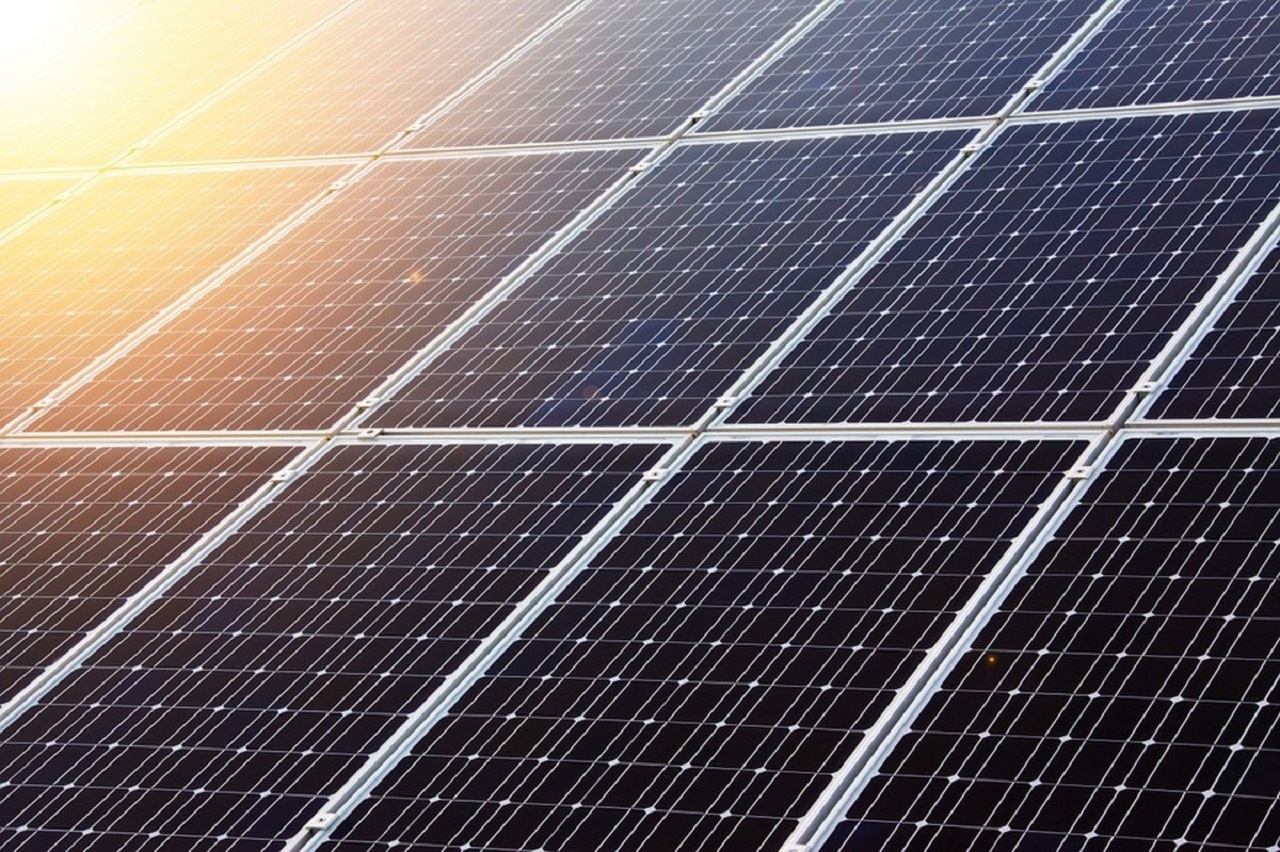

Absolar Is Optimistic With Good Numbers For Solar Energy This Year. The Source Is Expected To Receive Over R$ 50 Billion In Investments And Generate Thousands Of New Jobs
The Brazilian Association of Photovoltaic Solar Energy (Absolar) estimates that this year, the solar energy source will bring private investments to Brazil worth R$ 50 billion and generate over 357,000 new jobs, which will be spread across all regions of the country. The new investments in the sector comprise distributed generation, which is done on rooftops, land, building facades, public buildings, and rural properties, as well as centralized generation, which consists of large solar power plants.
Also Read
A Large Portion of Investments Will Be Directed to Distributed Generation
Absolar estimates that over 11.9 GW of installed solar power capacity will be added, an increase of more than 91.7% over Brazil’s current installed capacity, which is currently at 13 GW. Of the total investments projected by Absolar, distributed generation should account for approximately R$ 40.6 billion, generating various jobs.
For the own generation of solar energy, the entity estimates a growth of 105% compared to the total already installed last year, rising from 8.3 GW to 17.2 GW. This optimism is due to the enactment of Law No. 14,300/22, which establishes the legal framework for own solar energy generation, distributed micro-generation, and is expected to lead to a significant increase in investments in new systems in the country. In the area of large power plants, the expected growth is 67.8%, rising from the current 4.6 GW to 7.8 GW, also generating various jobs.
-
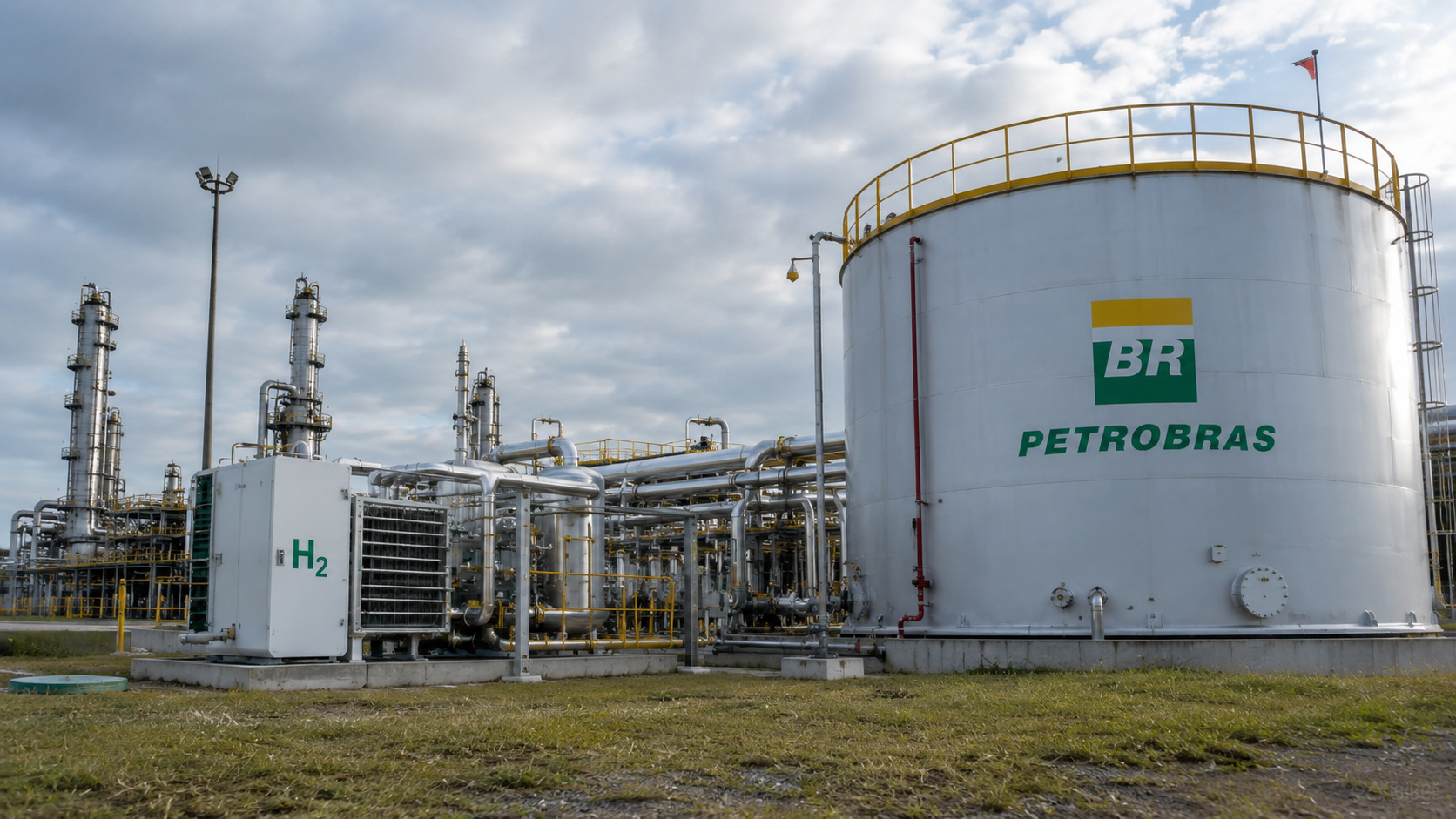
Brazilian scientists are simultaneously advancing two research projects on clean hydrogen and driving solutions that could transform the energy matrix, enhance industrial competitiveness, and accelerate large-scale emission reduction targets.

-
Advancement in renewable energy: A R$ 150 million project launched by Petrobras and Finep aims to create state-of-the-art electrolyzers for green hydrogen, strengthening national research and preparing Brazil to compete in a billion-dollar energy market.
-
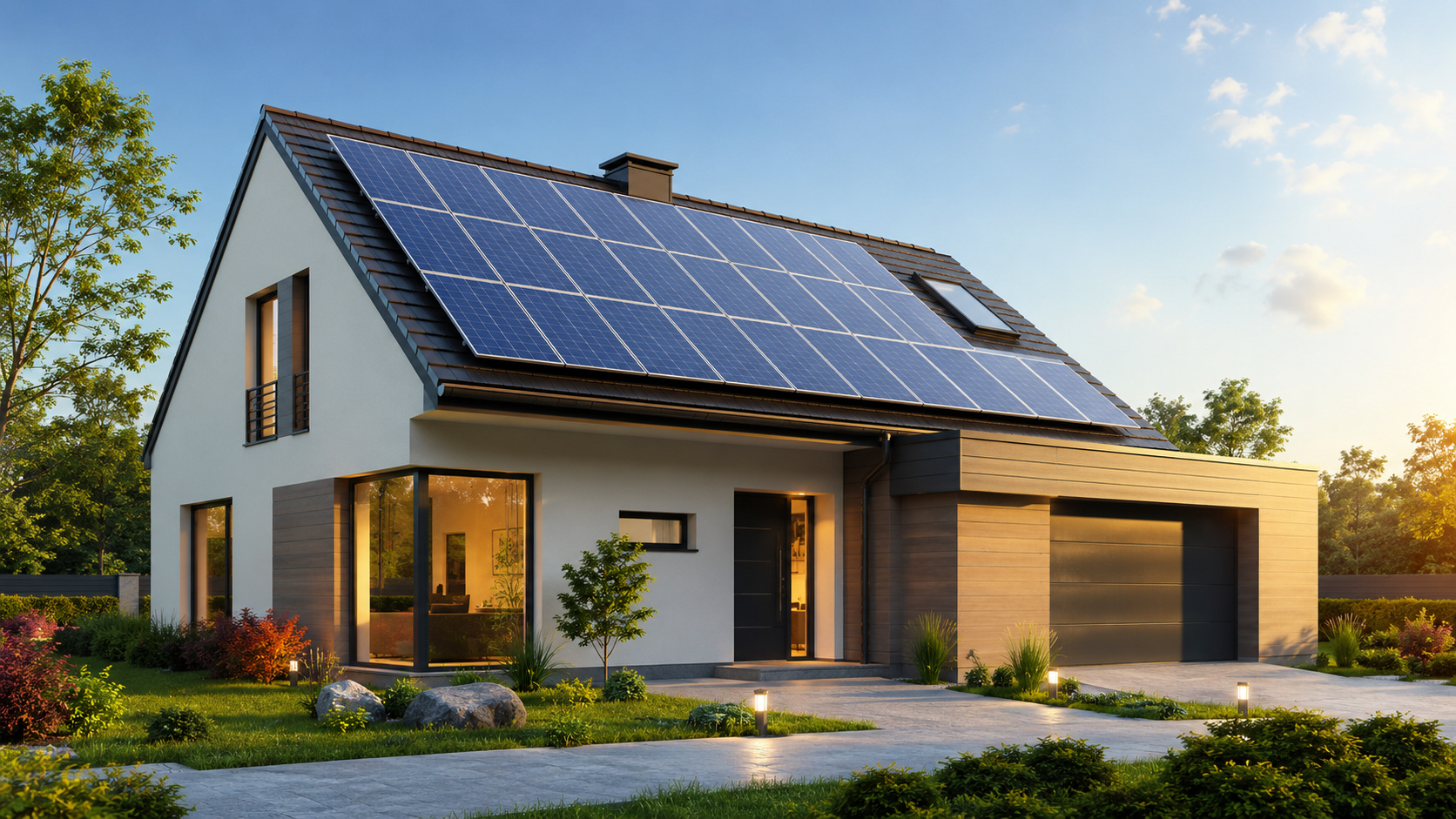
Solar energy can increase property value by up to 10% and become a selling point.
-
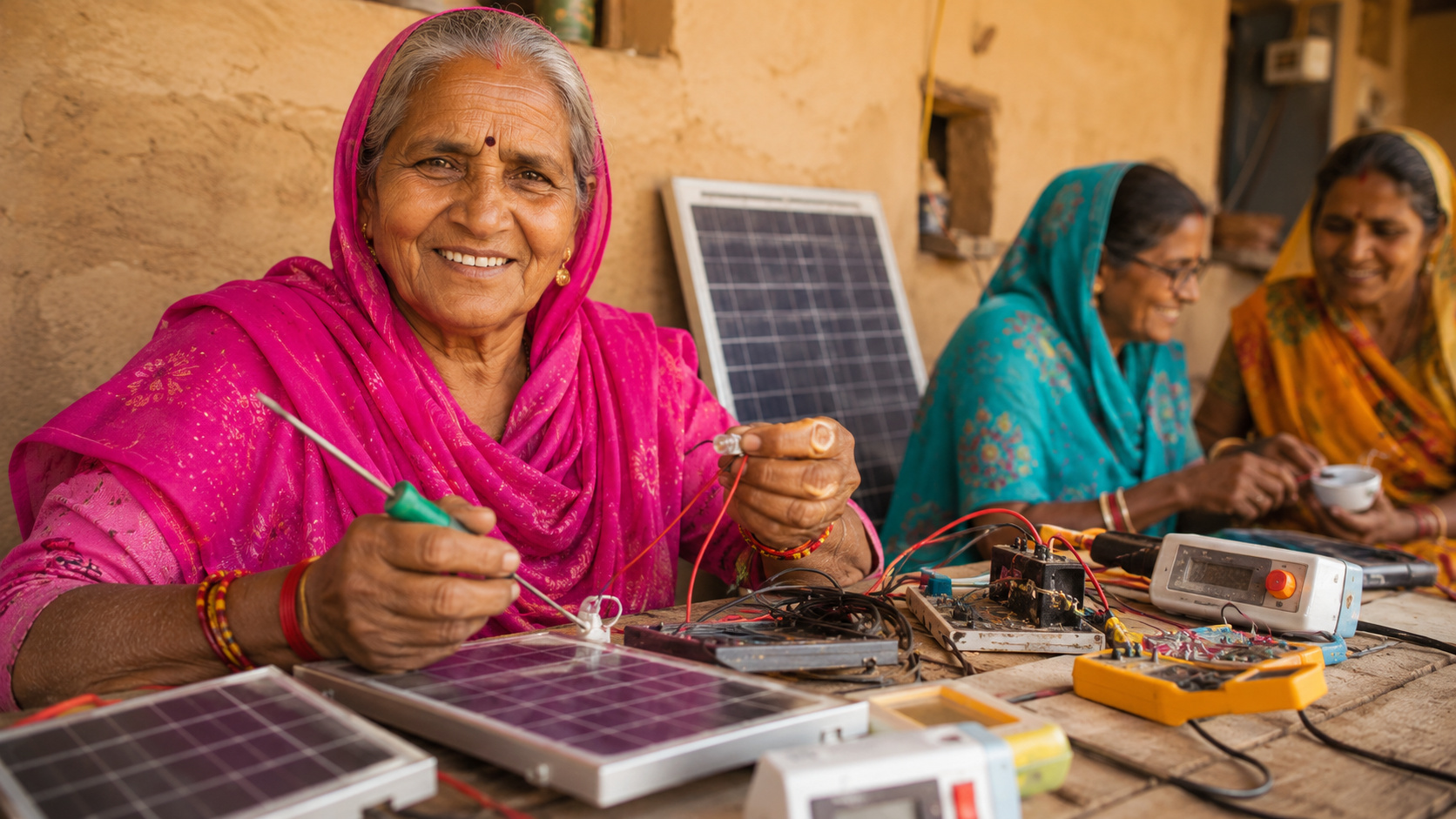
Illiterate or semi-literate grandmothers were trained to repair solar systems, open rural workshops, and light up homes that still depended on kerosene.

Some Factors May Hinder the Solar Energy Sector
The entity also projects that the national solar energy sector will be responsible for a net increase in revenue for federal, state, and municipal governments of more than R$ 15.8 billion in 2022. What may disturb the sector is the disarticulation of production chains, currency devaluation, Brazilian economic uncertainty, and high global demand for equipment.
Despite this, Absolar believes that, with the escalation of electricity tariffs, the search for decentralized solar energy will remain strong in the country. According to Ronaldo Koloszuk, chairman of the board of directors of Absolar, a significant growth in solar energy is projected this year, driven by the high cost of electricity bills and the benefits offered to consumers as a definitive solution for ensuring electricity supply at competitive prices.
Learn More About the Legal Framework That Will Create Various Jobs in Brazil
The Federal Government has sanctioned the bill that establishes the legal framework for own energy generation, which sets rules for consumers who produce their own electricity through solar, wind, hydropower, and various others.
According to data from Absolar, by 2050, the benefits of distributed solar energy generation will reach R$ 150 billion solely from reductions in thermal power plants. The entry of solar power into the Brazilian market reached rates greater than 200% per year starting in 2015.








