Portuguese
  Spanish


Understand How Chronic Volatility in the Oil Market Affects Production, Demand, and Global Politics
The oil market has always experienced ups and downs; however, chronic volatility has become a permanent feature.
Since the beginning of the 20th century, when the oil industry began to consolidate, oil has ceased to be merely an energy commodity and has become a geopolitical strategic factor.
As a result, global dependence on oil has shaped economies, foreign policies, and even international conflicts, making the market extremely sensitive to changes in supply, demand, and political decisions.
-
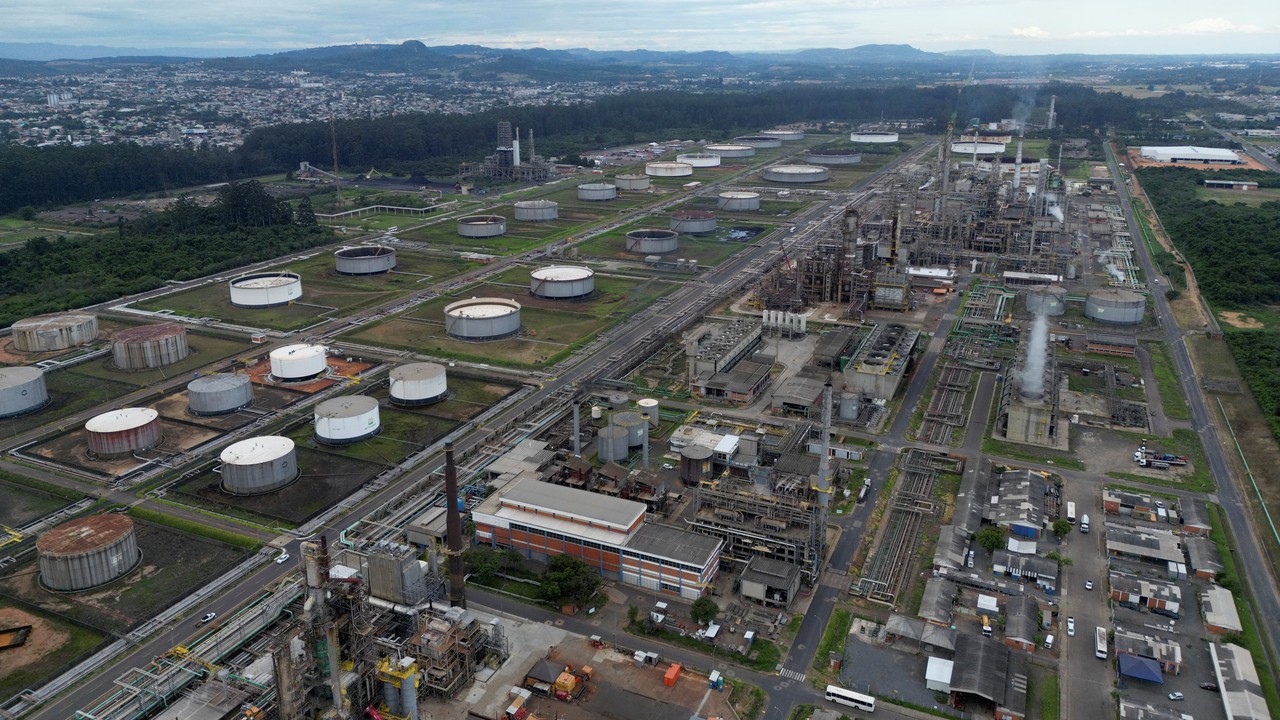
With a record production of nearly 3 million barrels per day, Petrobras resumes importing diesel in July, highlighting the bottleneck in Brazilian refining.

-
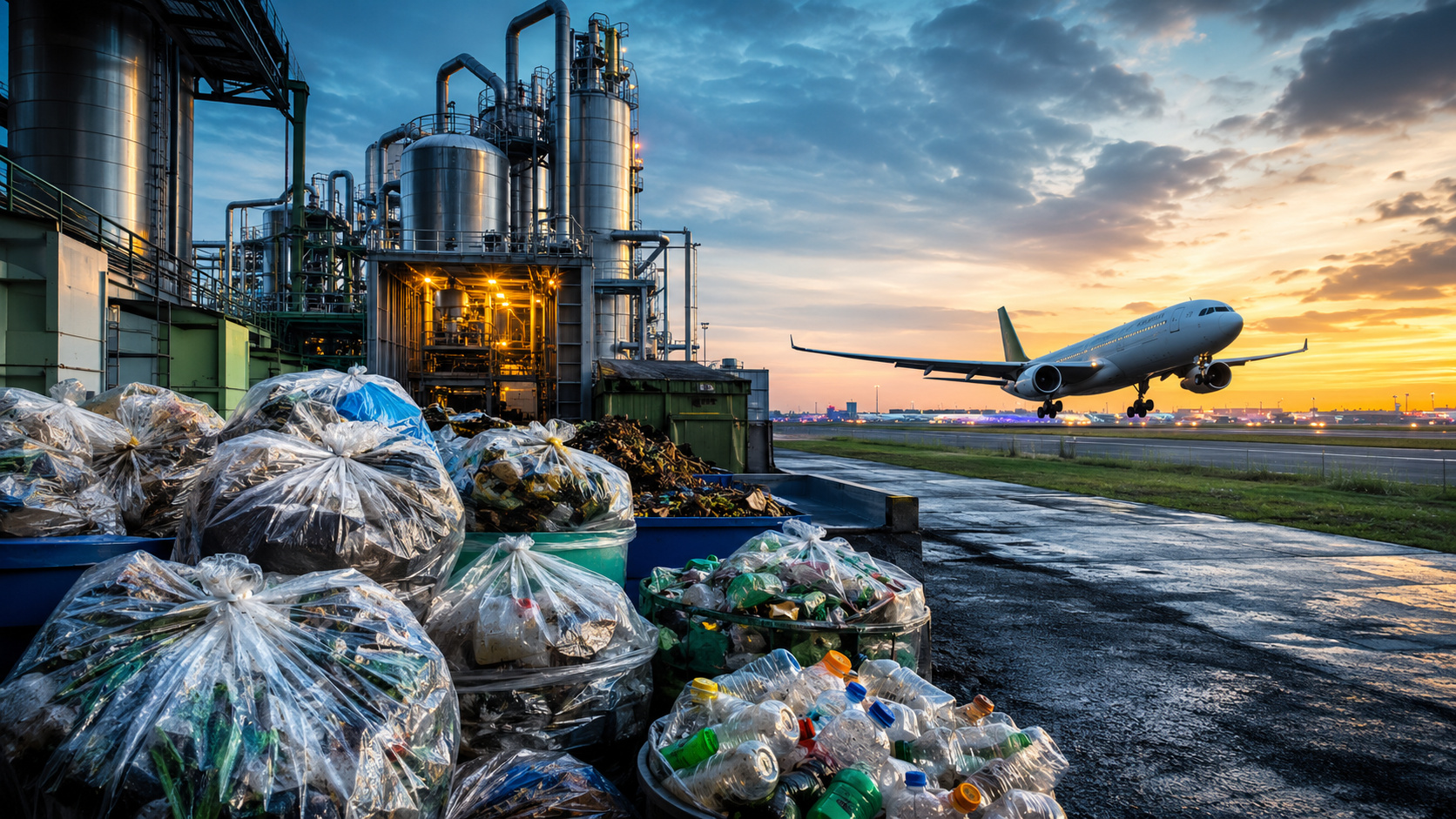
Qantas and Airbus Invest in Company Aiming to Convert Unsorted Household Trash into Jet Fuel

-
Brazil’s ANP Opens 86 New Oil Blocks in the Equatorial Margin, Expanding the Amazon River Mouth Frontier

-
OPEC+ Boosts Oil Supply by 188,000 Barrels per Day in July 2026, Leading to Price Drop from $112 to $89 per Barrel in Under Two Months


In recent years, this volatility has increased considerably. In addition, the center of global production has shifted, with significant growth in the Americas, especially outside OPEC, such as Brazil, Canada, Argentina, and Guyana.
Between 2024 and 2030, these nations are expected to provide about 85% of the growth in non-OPEC oil supply. Despite this increase, the OPEC bloc still controls a large portion of global supply, thus maintaining political and economic influence over oil prices.
Therefore, even with increased production in the Americas, the oil market remains highly dependent on OPEC+ strategic decisions.
Moreover, the oil market dynamics also reflect the growing demand, which currently has Asia as its main engine.
For instance, India is expected to record a significant increase in oil consumption, surpassing China in terms of growth.
This increase occurs not only due to population and industrial growth, but also due to the development of energy infrastructures that require large volumes of crude oil.
Furthermore, other Asian countries exhibit more modest expansion, but still relevant to the global market balance.
The oil market reacts quickly to regional economic changes. Therefore, recessions, rapid industrial growth, or changes in consumption patterns directly impact global prices.
Additionally, climatic factors, such as hurricanes, droughts, or cold waves, affect oil production, transportation, and refining, adding new layers of volatility to the market.
Thus, companies and governments need to constantly monitor trends and potential risks, ensuring more assertive decisions.
Historical Transformations and Lessons from the Past
Historically, the oil market has gone through various phases of transformation.
In the 1970s, the oil crises clearly showed how supply shocks could affect the global economy.
At that time, OPEC countries influenced prices, causing immediate impacts on transportation, industry, and agriculture.
Today, although production is more geographically distributed, politics still plays a central role.
Thus, government and economic bloc decisions redirect oil flows, alter prices, and generate volatility, even when supply remains abundant.
For instance, a recent scenario involving Russia, the European Union, India, and the United States demonstrates this intersection between politics and the oil market.
With the reduction of Russian energy imports by Europe, Russia redirected oil and gas to Asia.
Consequently, political and economic tensions arose as the United States pressures India to limit the purchase of Russian oil, while China and other Asian countries continue to absorb this supply.
This way, it becomes evident that the oil market is not just about production and consumption, but also depends on political and diplomatic decisions that affect the stability of prices globally.
Moreover, the recent history shows that oil-producing countries outside OPEC have gained greater relevance.
For example, Brazil and Guyana have invested in offshore exploration, significantly increasing their production capacity.
Consequently, these advancements alter the global supply dynamics, allowing prices to react rapidly to changes in demand, especially in Asia.
However, diversification of production, while positive, does not completely eliminate the political and economic risks that make the oil market unstable.
Economy, Technology, and the Energy Transition
Economic and technological factors also contribute to chronic volatility.
In addition, the energy transition, which aims to reduce dependence on fossil fuels, has led countries and companies to diversify their energy matrices.
However, the replacement of oil with renewable sources progresses gradually, and oil consumption remains high, especially in transportation, petrochemicals, and industrial energy.
Thus, there is a constant tension between growing supply in the Americas and strong demand in Asia, causing frequent price fluctuations.
Furthermore, projections and forecasts play an important role in the oil market.
Institutions like the International Energy Agency (IEA) and analysis companies provide estimates of supply and demand growth.
Nevertheless, political, economic, and climatic factors can rapidly alter these conditions.
Thus, historical experience shows that climate policies, transportation electrification, and investments in renewable energy do not always follow the plan, directly impacting the balance between supply and demand.
The oil market also reacts directly to political decisions, such as tariffs and sanctions.
Measures like the imposition of tariffs on Russian oil purchases or trade restrictions can swiftly alter global prices.
Furthermore, the reaction of affected countries, such as seeking new trading partners or increasing domestic production, modifies the scenario again, reinforcing the chronic volatility characterizing the market today.
Finally, technological advancements further influence the oil market.
New drilling and exploration techniques, such as hydraulic fracturing and deepwater drilling, have expanded supply and reduced costs in some countries.
Despite this, prices still respond rapidly to geopolitical, natural, and economic factors, keeping the market unstable and requiring constant adaptive strategies.
The Future of the Oil Market and the Importance of Adaptation
Each phase of volatility has brought lessons.
For example, during the crises of the 20th century, the global market understood the importance of strategic stocks, diversification of suppliers, and international cooperation.
In the 21st century, these lessons remain, but the environment has become more complex.
Thus, the growth of Asian economies, the redistribution of production, and the impact of political decisions in real-time require companies, governments, and investors to prepare for rapid and unexpected fluctuations.
Despite all the challenges, the oil market maintains a central role in the global economy.
It supports industries, transportation, and energy, in addition to generating significant revenues for producing countries.
Moreover, volatility, while challenging, creates opportunities for exporting countries, traders, and investors who can anticipate changes in supply, demand, and international policies.
In summary, the new reality of the oil market presents chronic volatility.
The growth of production in the Americas, the increase in demand in Asia, strategic political decisions, and economic and technological changes make prices more unstable than ever.
Therefore, learning from history and understanding the factors that shape supply and demand is essential.
Volatility is not temporary, but rather a permanent characteristic that demands constant attention and flexible strategies.
Consequently, the oil market will continue to be a vital component of the global economy.
Its future depends not only on how many barrels are produced or consumed, but also on how countries and economic blocs deal with political, environmental, and strategic issues.
Therefore, for governments, companies, and investors, understanding these dynamics is crucial, as volatility has established itself as the new normal of the global oil market.