Portuguese
  Spanish


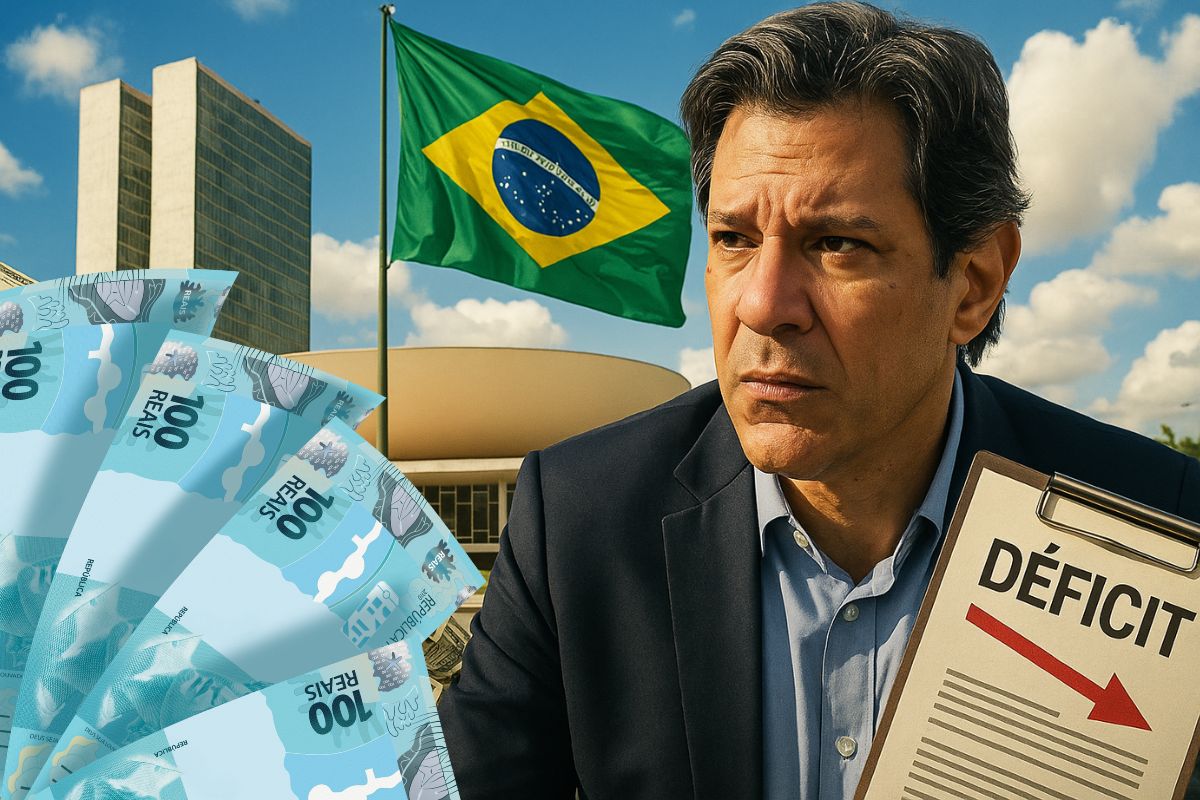


The Fiscal Target Set As Zero For 2025 No Longer Stands Against The Reality Exposed By The Court Of Audit. The Most Recent Report From The Court, Cited By CNN, Points To A Billion-Dollar Deficit Above The Legal Limit, Pressures The Government To Cut Expenditures, And Critiques The Instability Of Changes In The IOF. For The Ministers, Aiming Only At The Lower Band Of The Fiscal Target, Instead Of Effective Balance, Violates The Spirit Of The Fiscal Responsibility Law And May Compromise The Economic Credibility Of The Country.
The pursuit of the so-called zero fiscal target, a central promise of the Ministry of Finance for 2025, has lost momentum. According To A TCU Report Released This Wednesday (24), The Projected Primary Result For The Second Bimonthly Period Reached A Deficit Of R$ 97 Billion, A Number Well Above The Tolerance Predicted In The LDO.
After Judicial Compensation, The Deficit Fell To R$ 51.7 Billion, But Still Exceeds The Limit Accepted By Law. CNN Highlighted That The Court Sees The Government’s Strategy As Risky And Incompatible With Fiscal Responsibility, Reinforcing The Need For Immediate Spending Cuts And Greater Stability In Tax Planning.
The TCU Warning About The Fiscal Target
The Court Of Audit Had Already Made Similar Warnings In 2024 And June Of This Year. Now, It Reinforces That Pursuing Only The Lower Margin Of The Fiscal Target Is A Deviation From The Balance Required By The Fiscal Responsibility Law.
-
Controversial Amazon Highway BR-319 to Receive $1.3 Billion for Road Upgrades and $570 Million for Territorial Governance in Brazil

-
Four Sanitation PPPs to Inject $4 Billion into 477 Brazilian Municipalities, Setting 2026 as a Record Year for the Sector

-
Brazil’s BNDES Approves $2.4 Billion for Major Urban Project Aiming to Serve 600,000 Passengers Daily and Reduce CO₂ Emissions by Over 200,000 Tons Annually
-
Brazilian Government Invests $140 Billion in Strategic Sectors like Fertilizers, Biopharmaceuticals, Sustainable Mobility, and Artificial Intelligence with BNDES Support


In Practice, The Government Aims For A Tolerated Deficit Instead Of The Promised Zero Balance.
For The Ministers, This Practice Reduces The Transparency Of Management And May Open Up Room For Fiscal Maneuvers. The Report Was Sent To Congress And The Executive As A Way To Pressure For Containment Measures, Provided For In Article 9 Of The LRF.
Frustrated Revenue And Rising Spending
According To CNN, One Of The Main Factors Behind The Imbalance Is The Drop In Revenue Managed By The Federal Revenue.
The Projection Of An Increase Of R$ 22 Billion In The IOF Was Revised To R$ 12 Billion And, Even So, May Be Overestimated.
The Instability In The Rules — Three Decrees In Just A Month And A Half — Generated Disputes In The STF And In Congress, Undermining The Credibility Of The Measures.
On The Spending Side, There Was An Increase Of R$ 25.8 Billion Compared To The LOA, Driven Mainly By Social Security Benefits, Which Grew By R$ 16.6 Billion.
The Continuous Benefit (BPC) Also Pressures The Accounts, With A 12.9% Increase Above Inflation In The Analyzed Period.
Pressure On Haddad And The Government
The Minister Of Finance, Fernando Haddad, Now Faces A Complicated Equation. On One Hand, There Are Promises To Expand Exemptions And Social Programs; On The Other, The Demand To Cut Expenses Already This Fiscal Year.
The TCU Evaluates That The Reduction Of R$ 10.5 Billion In Discretionary Spending Threatens The Maintenance Of The Public Machinery, While The Fiscal Space Continues To Become Tighter.
For The Court, It Will Only Be Possible To Recover Credibility With Immediate Containment Measures, A Review Of Incentives, And Clarity In Tax Policy.
The Succession Of Changes In The IOF Without Impact Studies Is Seen As A Sign Of Improvisation.
What’s At Stake For Brazil
The Zero Fiscal Target, Considered The Anchor Of Economic Policy In 2025, Is A Key Element For Investors And The International Credit Market.
By Demonstrating Fragility, The Government May Face Greater Difficulty In Financing The Debt And Attracting Foreign Capital.
The Perception Of Fiscal Risk, According To Experts Consulted By CNN, Tends To Increase If There Is No Credible Adjustment Plan.
Moreover, The Insistence On Delaying Cuts May Aggravate Pressure On Social Programs And Essential Investments, Creating A Dilemma Between Fiscal Adjustment And Maintaining Public Policies.
The TCU Diagnosis Reinforces That The Zero Fiscal Target Is No Longer Realistic Without Immediate Spending Cuts And Greater Predictability In Tax Rules.
More Than Just Numbers, The Debate Involves Trust In Public Management And The Government’s Ability To Balance Fiscal Responsibility And Social Demands.
Do You Believe The Government Will Be Able To Meet The Fiscal Target By 2025? Or Have The Billion-Dollar Deficit And Constant Changes In The IOF Made This Goal Impossible? Leave Your Opinion In The Comments, We Want To Hear From Those Who Follow And Experience The Impacts Of This Policy In Their Daily Lives.