





 Portuguese
  English
  Spanish
  3 min of reading
  0 comments


Mexico Announces Humanitarian Aid to Cuba and Negotiates Oil Shipment Despite Threat of Tariffs from the U.S. in a Scenario of Financial Crisis and International Tension.
Amidst one of the largest financial crises in recent history in Cuba, a new international movement promises to further escalate tensions on the continent. Mexico, under the leadership of President Claudia Sheinbaum, has decided to act. And, at the same time it announces humanitarian aid to the island, it also brings to the table a delicate negotiation: the shipment of oil to the Cuban government.
This gesture occurs precisely when the United States is increasing pressure and authorizing the imposition of tariffs on any country that conducts oil business with Cuba.
The message from Washington is clear. Nonetheless, Mexico seems willing to test the limits of this threat.
-
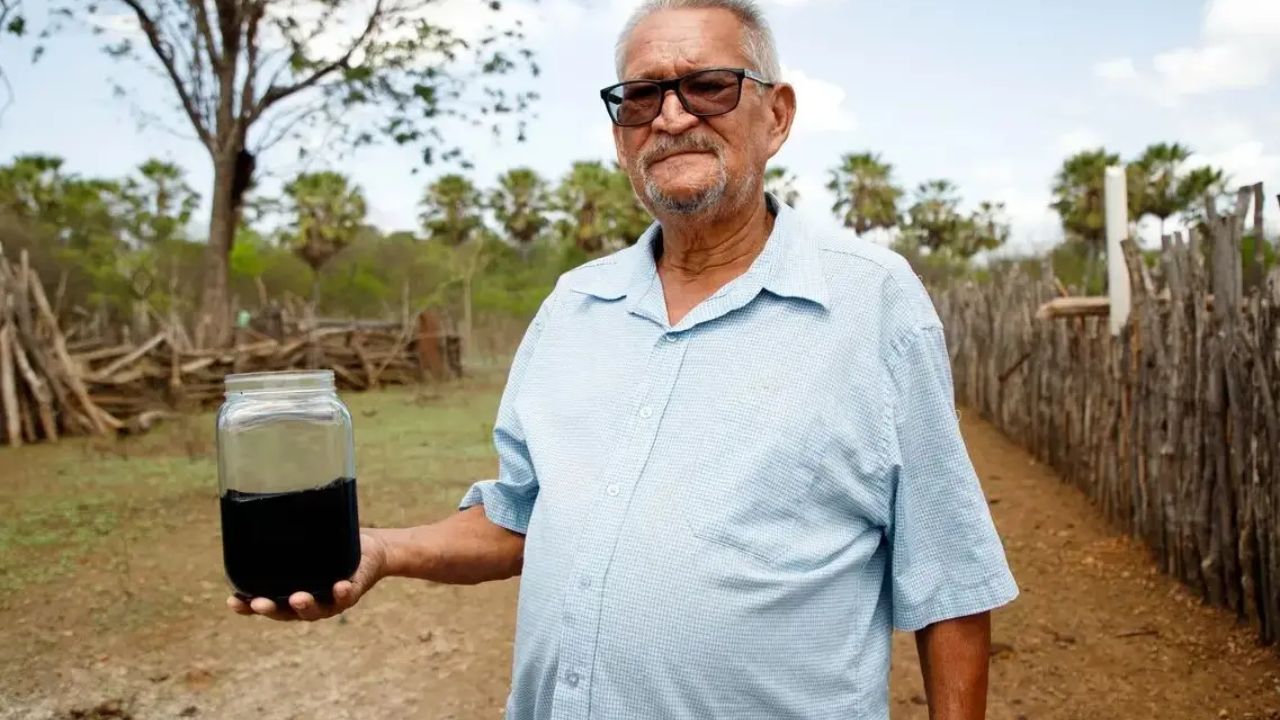
Farmer drills well in Ceará in search of water, accidentally finds crude oil and sees million-dollar discovery hindered by a rule that completely changes the future of the site.

-
Family finds oil on a 49-hectare site in Ceará, but exploration has no timeline or guarantee of happening

-
When drilling an artesian well, a farmer wanted water but found oil: ANP confirms that the dark liquid found by a farmer on a site in Ceará is crude oil.

-
European stocks rise with oil drop after Trump’s remarks on Iran as investors monitor global tension



Crisis in Cuba Deepens After Disruption in Oil Supply
The Cuban economic situation has deteriorated further after the arrest of Venezuela’s president, Nicolás Maduro, by the United States on January 3. Venezuela has always been a strategic ally of Cuba and, above all, one of the main oil suppliers to the island.
With this partnership weakened, Cuba has faced serious difficulties in maintaining its energy supply. As a consequence, the financial crisis has taken on new dimensions, affecting everything from transportation to food production and basic services.
In this unstable scenario, Mexico emerges as a key player. According to the economic newspaper Financial Times, the country surpassed Venezuela and became the largest supplier of oil to Cuba in 2025.
Mexico Enters the Center of the Geopolitical Dispute
Last Sunday (February 1), Claudia Sheinbaum publicly confirmed that Mexico will send humanitarian aid to Cuba. At the same time, she stated that she intends to negotiate, through diplomatic channels, the continuation of oil supply to the island.
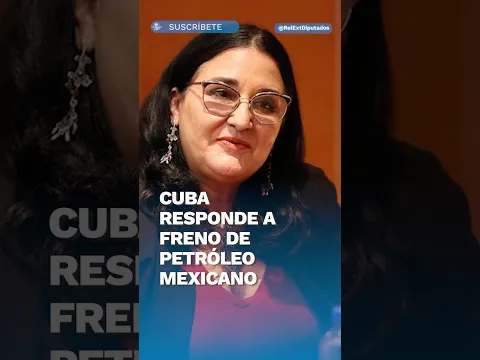

This decision comes despite the recent authorization from the United States to impose tariffs on countries that negotiate oil with Cuba. Nevertheless, Sheinbaum sought to adopt a diplomatic tone when commenting on the matter.
In an official statement, the Mexican president stated that her conversation with Donald Trump was “respectful and advanced various agreements between the countries, including trade and security.”
Trump Raises the Stakes and Even Mentions Military Intervention
Still, the climate is far from calm. Following the release of tariffs, Trump once again spoke about Cuba in a threatening tone. On Sunday, he declared that he could “make a deal” with the island to avoid “military intervention” by the U.S. in Cuban territory.
The statement reignited fears of an escalation of tension. Additionally, it placed countries like Mexico in a delicate position, trying to maintain oil-related trade ties without provoking direct retaliation from Washington.
Meanwhile, Cuba remains dependent on external sources to keep its energy system running, making each oil shipment a strategic asset.
What is Mexico’s intention in sending humanitarian aid to Cuba? Do you think the United States might try to “retaliate” against this support?



-

1 person reacted to this.