Portuguese
  Spanish


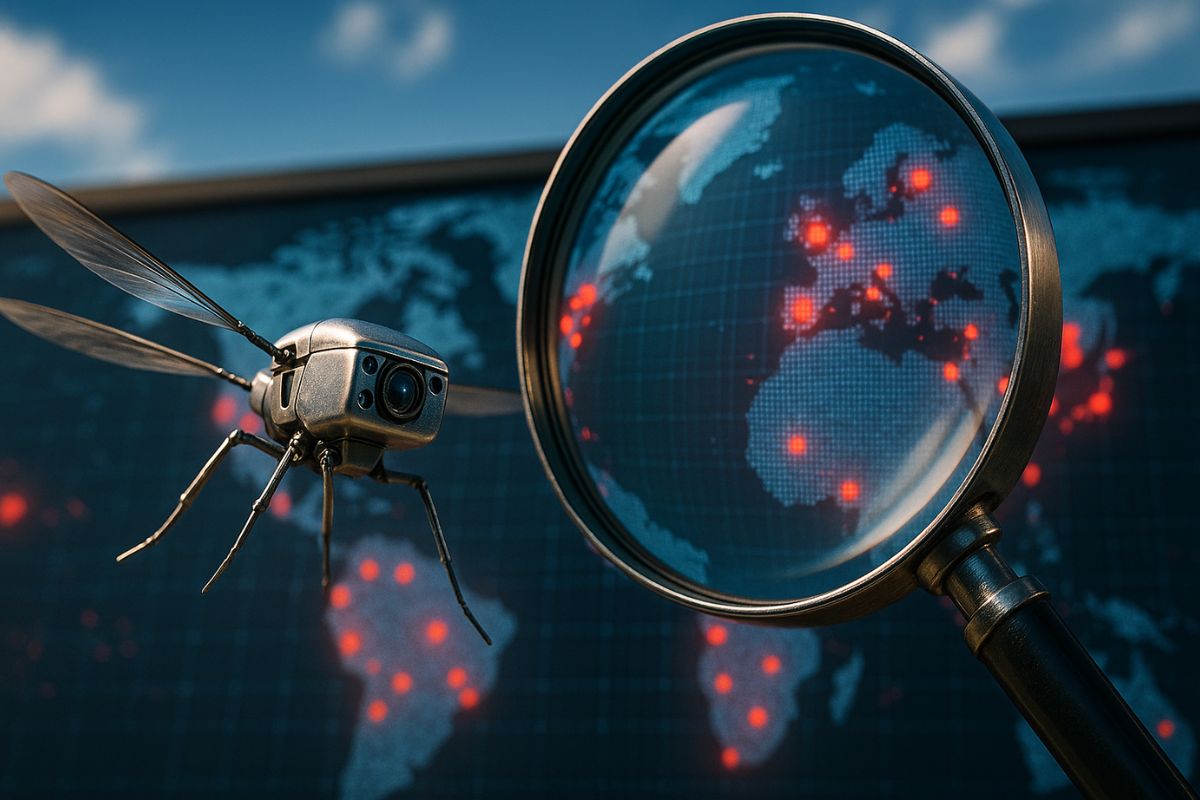


Chinese Microdrones Impress with Mosquito-Sized Dimensions and Unprecedented Capabilities. Advanced Technology Positions China at the Forefront of Microdrones, with Applications in Security, Science, and Even Medicine.
The Chinese microdrones are capturing global attention for their diminutive size comparable to that of a mosquito and the potential to revolutionize strategic sectors. These ultra-compact machines demonstrate how Chinese engineering has reached unprecedented levels in unmanned aviation.
These devices are so small that they can infiltrate restricted areas, fly indoors, and collect data in hard-to-reach locations. Experts emphasize that the country is paving the way for a new chapter in aerial technology, combining lightness, precision, and efficiency.
What Are Chinese Microdrones
The Chinese microdrones are ultracompact aerial devices built to operate in environments inaccessible to conventional drones. Their lightness and agility allow for missions in narrow corridors, obstacle-laden areas, or even inside buildings.
-
Brazilian Engineers Lead $200 Million Project to Bring Water from São Francisco River to Transform Supply in Northeastern Cities

-
Brazilian University Tests Recycled Plastic Component for Homes, Aiming for More Sustainable Single-Family Housing Construction
-
Apple, Samsung, and Sony Warn: Wet Bluetooth Earbuds Can Be Damaged if Stored Before Fully Drying
-
Brazil Develops AI-Driven Technology to Measure Brain Pressure Non-Invasively, Detecting Nanometric Deformations in Real Time to Aid Early Medical Intervention


Moreover, they are equipped with high-definition cameras and advanced sensors, capable of transmitting real-time information, enhancing their utility in critical operations.
How Chinese Microdrones Work
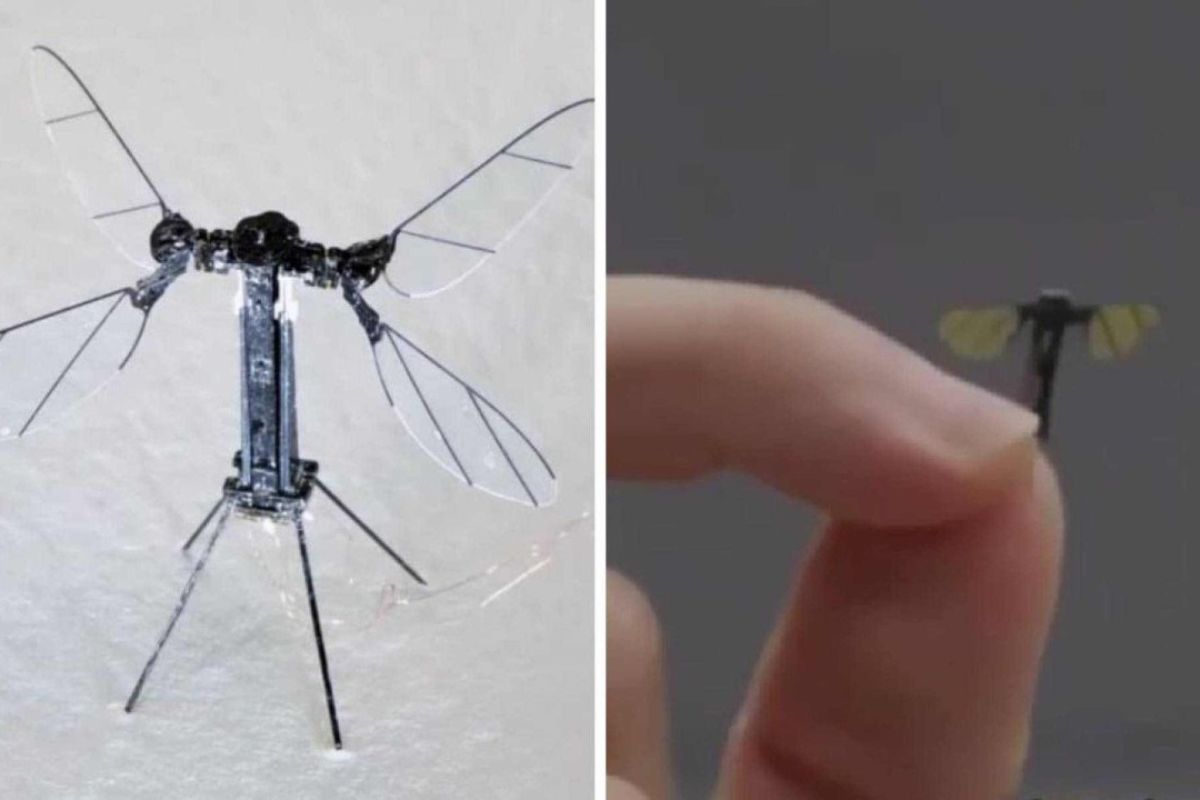
The operation of Chinese microdrones combines powerful motors on a reduced scale with ultralight aerodynamic structures. This ensures stability and maneuverability even in very confined spaces.
Their onboard technology includes smart sensors and miniaturized cameras, enabling discreet surveillance, mapping of sensitive areas, and even tracking movements without drawing attention.
Why Chinese Microdrones Are Making an Impact
The significant attention is due to their strategic potential. Chinese microdrones can transform areas such as security, defense, and scientific research. In military operations, they can conduct reconnaissance without being detected. In rescue situations, they can access locations too dangerous for humans.
In science, their use can expedite environmental research in forests and mountainous regions, collecting real-time data at a reduced cost.
Uses of Microdrones in Industry and Science
The applications of Chinese microdrones extend far beyond surveillance. Among the main ones are:
- Security and Defense: discreet monitoring of borders and sensitive areas.
- Medicine: transportation of samples in remote or hard-to-reach locations.
- Environmental Research: data collection in forests, caves, and isolated zones.
- Entertainment: creative filming and unprecedented immersive experiences.
How Much Can This Technology Advance
With rapid evolution, experts believe that Chinese microdrones will become even more sophisticated in the coming years. New models are expected to have increased autonomy, higher payload capacities, and more affordable costs.
A reduction in manufacturing costs is likely to popularize these devices, transitioning them from military and scientific uses to broader civil applications.
Is It Worth Following This Evolution?
Yes. Chinese microdrones have the potential to redefine the role of technology across various areas, offering practical and accessible solutions to complex challenges. China once again demonstrates how it is at the forefront of innovation in unmanned aerial systems.
The Chinese microdrones are more than technological curiosities: they represent a paradigm shift in how we understand drones and their utility. With the size of a mosquito but extraordinary capabilities, these devices can influence everything from global security to critical environmental research.
What do you think, are Chinese microdrones a necessary advancement or do they pose risks of excessive surveillance? Leave your opinion in the comments; we want to hear from those closely following this debate.