Portuguese
  Spanish


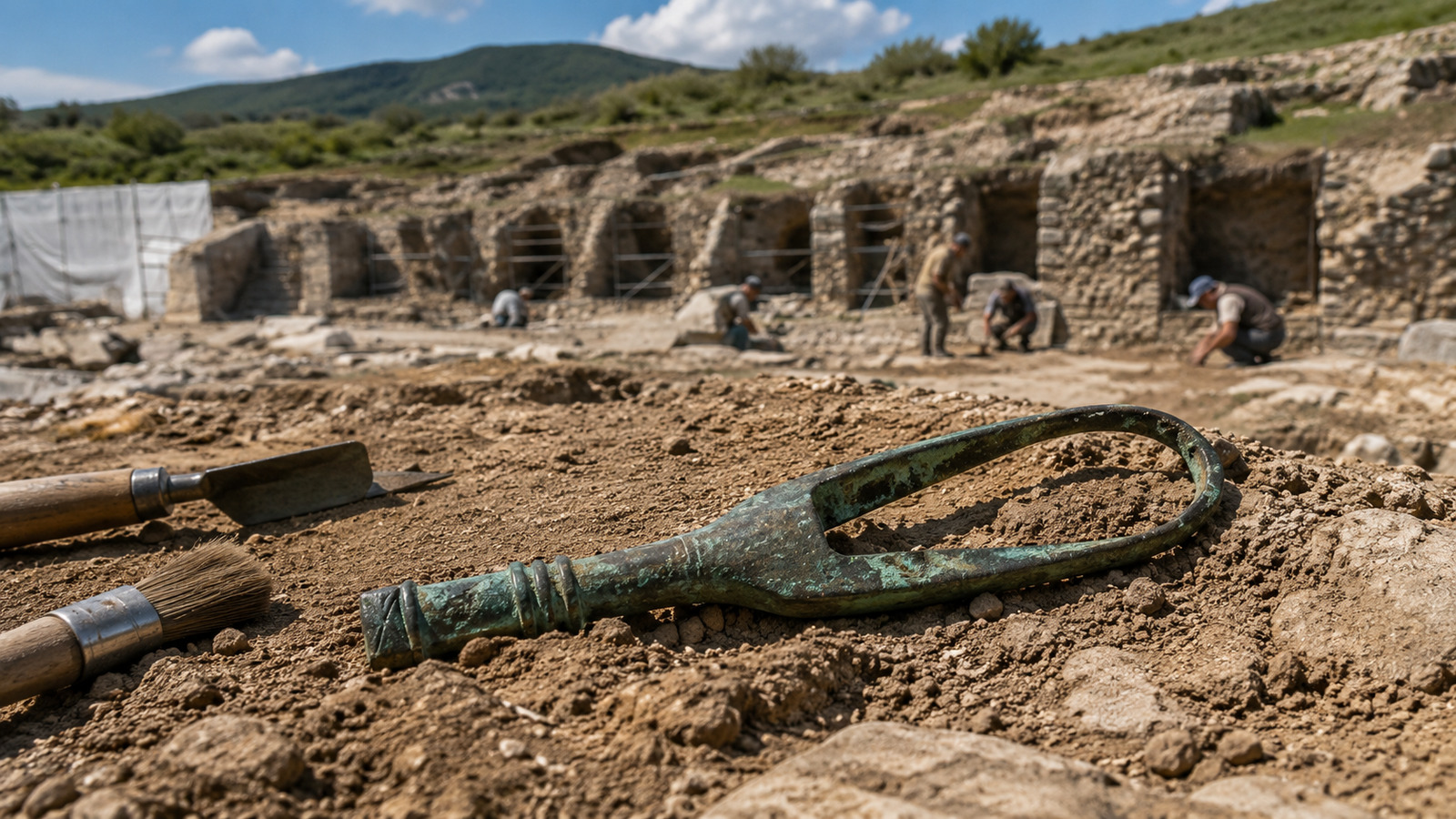

Bronze piece used to remove bladder stones was found next to the Temple of Hercules and may indicate medical care for people seeking healing in the ancient Roman city
A Roman surgical instrument made of bronze, used to remove bladder stones, was discovered by archaeologists in Heraclea Sintica, in southwestern Bulgaria. Found next to the Temple of Hercules, the object is considered exceptionally rare and, according to researchers, is only the second known example of its kind in the world.
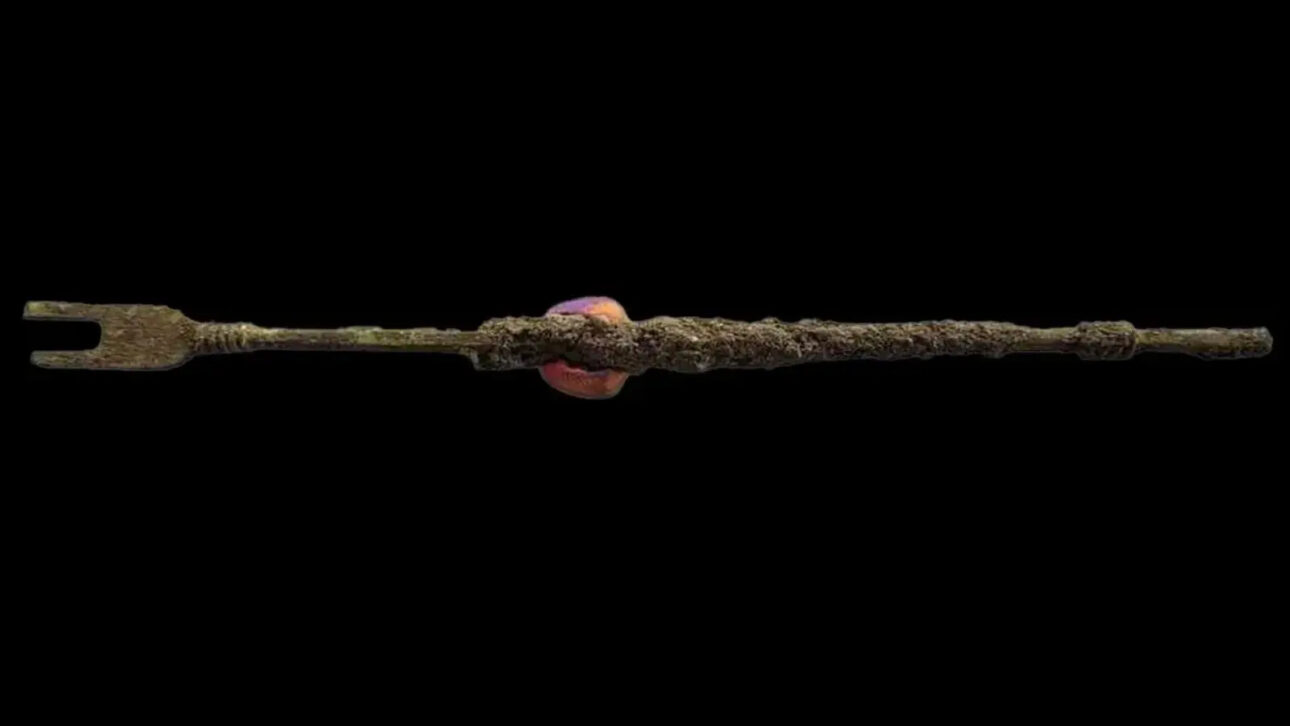
Roman surgical instrument was found next to the Temple of Hercules
The piece was found during excavations in the ancient city of Heraclea Sintica, in a room adjacent to the Temple of Hercules.
The find caught the attention of archaeologists due to the rarity and the state of preservation of the bronze handle.
-
Astronauts Returning from Space Show Altered Gut Bacteria and Loss of Protective Microbes, Highlighting Potential Risks for Mars Missions

-
Electrolux Unveils Smart Washing Machine Line with 12kg Capacity, 45-Minute Cycle, Automatic Dosing, Dirt Sensors, Sanitizing Steam, App Control, and User-Guiding Display
-
Realme Launches Affordable 16x 5G Phone with Military Certification, 6,600 mAh Battery, 50 MP Camera, and 6.8-Inch Screen Starting at $320

-
Amazonian Fruit Bacuri: A Nutrient Powerhouse with Antioxidants, Vitamins, and Bioactive Compounds, Ideal for Sweets and Beverages



The instrument is known as lithulkos. It was part of a specialized surgical kit used by ancient doctors in lithotomy procedures, an operation performed to remove bladder stones.
According to the excavation director, Prof. Lyudmil Vagalinski, this is an extremely rare discovery not only for Bulgaria but on a global scale.
According to him, scientific literature records only one other similar example, found in Italy.
Bronze piece preserves handle decorated with raised rings
Although the curved ends of the double-hook instrument are missing, the bronze handle was found in excellent condition. The piece preserves a decoration formed by a series of raised rings.
The preservation of the handle allowed the object to be identified as a specialized medical instrument. Unlike more common ancient medical tools, such as scalpels, needles, curettes, and spoons, the lithulkos had a very specific function.
For researchers, this type of piece indicates that Heraclea Sintica may have housed well-trained medical professionals during the prosperous period of the Roman Empire.


Discovery is dated to the 3rd century AD
The discovery was dated to the 3rd century AD, a period when Heraclea Sintica was experiencing significant economic growth under Roman rule. The find expands knowledge about health practices in that ancient city.
Bladder stones were described by ancient authors as an extremely painful condition. Among them was Pliny the Elder.
The Greek physician Ammonius of Alexandria, from the 3rd century BC, is also cited by researchers for having developed techniques and instruments to treat the problem.
Ammonius became known by the nickname “Lithotomus,” or “The Stone Cutter,” precisely because of his connection with this type of surgical procedure.
Location of the find may indicate treatment for people seeking healing
The location of the object raised a new hypothesis among archaeologists. Since the Roman surgical instrument appeared in a room next to the Temple of Hercules, researchers consider it possible that sick people seeking divine help also received medical treatment there.
Vagalinski stated that this relationship still needs to be investigated with caution. According to him, the position of the find suggests this possibility, but further studies are needed before any definitive conclusion.
Excavations continue with a team of seven archaeologists and 34 workers. Heavy machinery is being used to remove thick deposits of river sediments before manual excavation, a stage in which ancient architecture is exposed and documented.
This article was prepared based on information from the material provided about the excavations in Heraclea Sintica, with data, numbers, and statements preserved as per the consulted material.