Portuguese
  Spanish


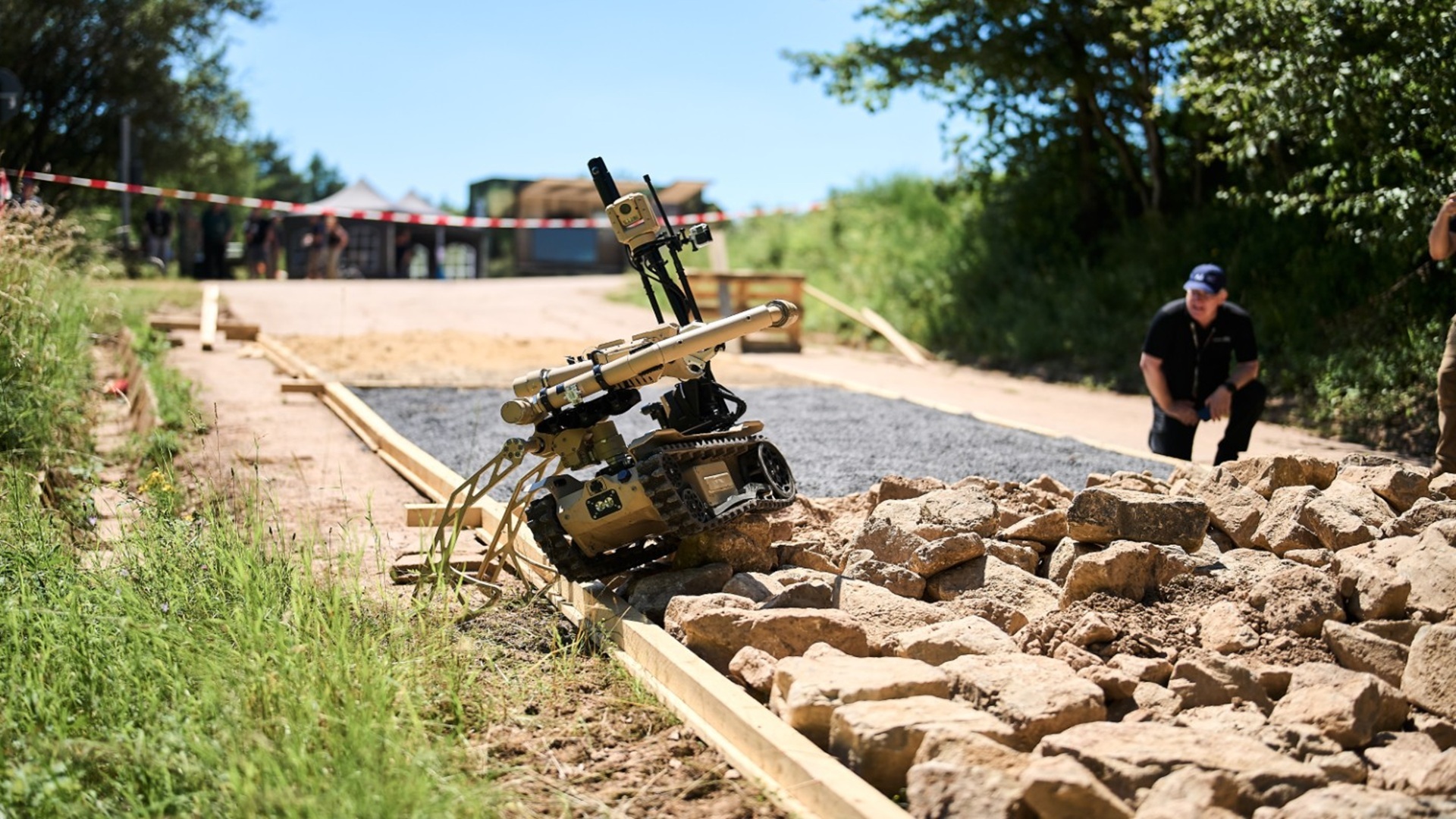

The trials conducted in the Swiss mountains demonstrate that technological efficiency depends on the ability to adapt to the Earth’s most adverse natural conditions. The strategic use of autonomous machines aims to ensure tactical superiority and the preservation of human lives in high-risk geographic and climatic missions.
The Swiss Army conducted a series of exhaustive field trials to assess the performance of military robots in one of the most challenging terrains in the world. The tests took place in mountainous and hard-to-reach areas, aiming to determine the viability of these machines in support and reconnaissance missions under severe geographic conditions. The initiative seeks to integrate autonomous and remotely controlled technologies to enhance troop safety in future operations.
Performance and endurance at high altitudes
The machines were subjected to trajectories that included steep inclines, rocky surfaces, and dense natural obstacles to test their traction and stability. The main focus was to observe how military robots maintain functionality at high altitudes, where climate and terrain impose significant limitations on hardware and navigation systems. Engineers and military officials monitored battery durability and the structural integrity of the units in the face of constant impacts against the uneven ground.
During the simulations, different models were evaluated, ranging from small units for surveillance to larger platforms intended for cargo transport. The real-time processing capability was put to the test as the military robots attempted to map the environment and identify safe routes independently. Success in these tests is considered an essential prerequisite for the Swiss Army to consider the definitive adoption of these technologies in its strategic arsenal.
-
Iraq floats and sinks under an arm of the Euphrates 10 giant concrete boxes of 46,000 tons and 125 meters each to assemble a 2.4 km submerged tunnel and open a new land route between Asia and Europe.

-
Scientists use more than 20,000 artificial birds and solar speakers to “trick” seabirds, reactivate nesting routes, and revive a colony on an island that seemed abandoned.

-
She spent 73 years breathing inside an iron lung, survived the aftereffects of polio, and became the last woman in the United States dependent on the equipment before dying at 78 years old.
-
Brazilian students created a $1 filter using pine bark, cotton, and 3D-printed parts to clean cassava wastewater, reduce the toxicity of a hazardous waste, and transform contaminated water into biofertilizer.



Communication systems and autonomy in shadow zones
One of the biggest obstacles faced by the teams was maintaining connectivity between operators and machines in areas of signal “shadow.” The military robots needed to demonstrate advanced levels of autonomy to continue executing orders or return to safe points in case communication was lost. The effectiveness of detection sensors, such as thermal cameras and Lidar systems, was analyzed to ensure that the machines operate accurately both day and night.
In addition to navigation, the tests explored the interaction capability between multiple robotic systems operating simultaneously in the same sector. Coordination among the units is vital to avoid collisions and ensure that the terrain coverage is complete and efficient. The data collected on the behavior of military robots in these complex scenarios will serve to enhance artificial intelligence algorithms specifically aimed at defense and rescue.
Future of robotic integration in the armed forces
The conclusion of the trials on Swiss soil marks an important advance in the validation of combat and automated logistics technologies. By exposing the devices to maximum stress scenarios, developers can identify critical failures that would not appear in controlled laboratory environments. The successful implementation of military robots promises to reduce the exposure of human soldiers to unnecessary risks in conflict zones or natural disasters.
The results obtained will influence the next cycles of acquisition and development of military technology for European forces. It is expected that, with the refinement of the tested systems, military robots will become standard tools for terrain exploration where human mobility is extremely limited. The commitment to innovation in robotics reinforces the global trend of modernizing defense forces through intelligent automation.
With information Interesting Engineering