Portuguese
  Spanish


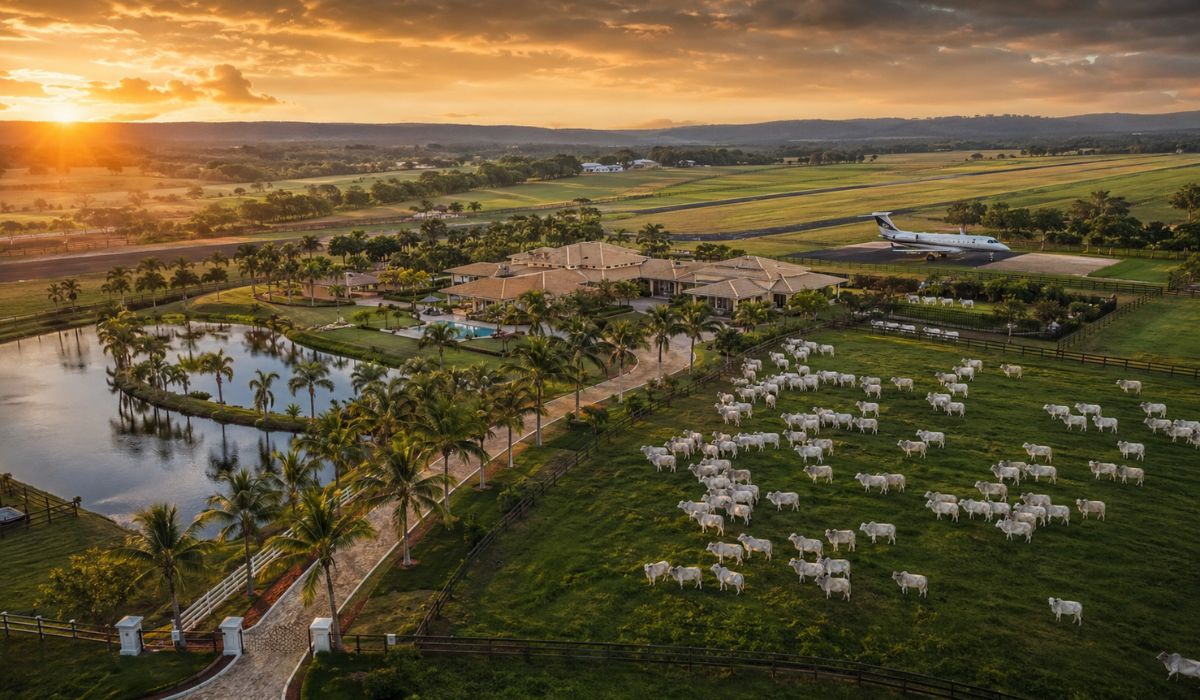


Rural properties linked to big names in sertanejo music combine leisure, livestock farming, millionaire structures, and ties to country life, in a relationship that spans artistic career, heritage, and public identity.
Off stage, well-known names in Brazilian sertanejo music maintain rural properties used for rest, family gatherings, and activities related to agribusiness.
In states such as Goiás, São Paulo, and Mato Grosso do Sul, farms associated with Leonardo, Zezé Di Camargo, Marrone, Rionegro & Solimões, and Almir Sater feature leisure facilities, animal breeding, and areas designated for rural production.
These properties are not limited to private use between one show schedule and another.
-
How to Prevent Brown Recluse Spider Bites: Common Hiding Spots and Free Tips to Reduce Risks

-
Natto: The Unusual Japanese Superfood Gaining Popularity on Social Media and Driving Record Exports
-
Brazilian Mayor Goes Undercover as Homeless for 24 Hours to Assess Public Services

-
15-Year-Old Entrepreneur Malu Lira Publishes 20 Children’s Books on Financial Education, Earns $500,000, and Expands Her Project to the Amazon Rainforest




In published reports on the subject, the properties feature pastures, lakes, swimming pools, courts, stud farms, airstrips, spacious main houses, and agricultural activities.
The relationship between sertanejo music and the countryside, a recurring theme in the careers and repertoires of some of these artists, is also reflected in how some of them invest in rural properties.
Leonardo’s Farm in Goiás
Leonardo is frequently cited in reports about sertanejo artists with rural properties.
The singer is associated with Fazenda Talismã, in Jussara, in northwest Goiás, a property described as an area with leisure facilities, cattle breeding, a stud farm, a lake, and an airstrip.


According to publications about the property, the farm is valued at approximately R$ 60 million and reportedly has about 5,000 head of cattle.
The space is also used by the singer and family members during periods of rest, in addition to appearing in public records made by people close to the artist.
The main house is described as a high-standard construction, with open areas and environments designed for social interaction.
Among the structures mentioned in reports are a swimming pool, barbecue area, game room, and sports facilities, as well as green areas surrounding the main house.
In terms of production, livestock farming occupies a significant part of the property.
Goiás has a significant presence in cattle breeding, and Leonardo’s farm is presented in specialized publications as an area with rural activity related to livestock.
Even so, publicly available data varies by report, without complete official detailing of the entire operation.
Rionegro & Solimões and life in the countryside
Rionegro & Solimões, a duo formed by José Divino Neves and Luiz Felizardo, also appear in reports about artists linked to properties in the countryside.
The farm associated with the singers is described as a property in the interior of São Paulo, dedicated to family gatherings, leisure, and rural activities.
Publications mention the presence of a fishing lake, pastures, animal breeding, and a house with characteristics common to Brazilian farms, such as a veranda, use of wood, and integrated environments.
The property is presented as a place for rest between professional commitments.
The duo’s connection with the interior is also present in their repertoire.
Rionegro & Solimões became known for songs like “Peão Apaixonado”, “Frio da Madrugada”, “Bate o Pé” and “Na Sola da Bota”, songs associated with the sertanejo universe and the popular culture of inland cities.
In this context, the rural property reinforces a bond already explored by the duo’s artistic career.
The farm appears less as a detailed business operation in public data and more as a space linked to family routine and the image built by the singers throughout their musical career.
Fazenda É o Amor, by Zezé Di Camargo
Zezé Di Camargo named his rural property after one of the main successes of his career: É o Amor, a song that nationally launched the duo formed with Luciano in the early 1990s.

The farm is located in Araguapaz, Goiás, and is cited in reports as an area of approximately 1,500 hectares.
Publications about the property indicate an estimated valuation of around R$ 65 million, although this type of value depends on market criteria, structure, location, and productive activity.
The farm has been associated with livestock farming and, in recent reports, has also been described by initiatives related to animal care.
In interviews reported by national media, Zezé stated that he does not allow the slaughter of animals on the property.
The same publications mention that the place houses rescued dogs and animals that have come to live on the farm.
In addition to this use, reports link the property to rural activities such as agriculture and genetic improvement of cattle.
There is no complete official detailing of the participation of each activity in the farm’s revenue in the publicly available information.
The choice of the property’s name also has a direct relationship with the singer’s career.
By using the title of the song that marked the beginning of the duo’s national projection, Zezé associated the farm with a well-known element of his artistic trajectory.
Fazenda Favo de Mel, by Marrone
Marrone, from the duo with Bruno, is also cited in reports about large rural properties owned by sertanejo artists.
The Fazenda Favo de Mel, in Jussara, Goiás, is described as an area of approximately 35 thousand hectares, with cattle breeding of the Nelore breed.
According to publications about the property, it would have approximately 20 thousand heads of cattle.
The Nelore breed has a wide presence in Brazilian livestock farming and is used in different production systems due to its adaptation to the country’s climatic conditions.
Reports also indicate that the farm participates in activities related to cattle commercialization and auctions.
This type of operation usually involves breeders, buyers, and investors in the sector, but the publicly available data does not allow for independent detailing of the revenue or the exact dimension of each event held on the property.
In addition to the productive area, the farm is described as a space with leisure facilities.
The publications mention a lake for sport fishing, a personalized swimming pool, a volleyball court, and social areas intended for family and social gatherings.
The main headquarters of the property is presented as a spacious building, with suites and integrated environments.
The description appears in reports about artists’ properties and high-standard rural properties, without detailed public confirmation of all internal items of the house.
The name Fazenda Favo de Mel also refers to the repertoire of Bruno & Marrone.
As is the case with other sertanejo artists, the property appears linked both to personal assets and to the image built throughout their musical career.
Almir Sater, Pantanal and livestock farming
Almir Sater has maintained a public relationship with the countryside for decades.
Singer, viola player, composer, and actor, he built part of his artistic career around the viola caipira, Pantanal culture, and rural life.
In Mato Grosso do Sul, the artist is associated with properties linked to livestock farming.
Reports about his work as a breeder point to a farm in the Maracaju region, with approximately 2 thousand hectares.
The same publications mention the breeding of Senepol cattle, used by ranchers due to their adaptation to the tropical climate and productive performance.

Almir Sater’s property was also mentioned in reports about the soap opera “Pantanal”.
The remake aired by TV Globo in 2022 was filmed in areas of the Midwest linked to the biome, and entertainment publications associated the artist’s properties with the setting used in the production.
In Almir’s case, the connection to rural life appears on different fronts: in music, on television, and in agricultural activity.
The presence of the countryside in his public image stems from an artistic career marked by references to the Pantanal and inland culture.